GERSHON ISKOWITZ "EMERALD GROOVE" WATERCOLOR, 1977
It is somewhat hard to reconcile Gershon Iskowitz's (1921-1988) joyful aesthetic with his personal history.
Born to a religious family in Poland, Iskowitz was allowed to leave yeshiva (a Jewish seminary) in order to study art, including a brief stint at the Academy of Fine Arts in Warsaw.
The outbreak of the second world war forced him to return to his hometown where shortly after he was conscripted to forced labor. In 1944 Iskowitz was transferred to Buchenwald, one of the first and most notorious Nazi concentration camps.
Upon liberation, Iskowitz spent nearly 9 months in the hospital recuperating. Amazingly he would study for six months at the Academy of Fine Art in Munich with Oskar Kokoschka.
Iskowitz would eventually immigrate to Canada. For most of the 1950s, he incorporated representation into his art. By the 60's he had established a modest reputation in Toronto and beyond, joining the Gallery Moos stable in 1964.
The legend goes that in 1967 thanks to a Canadian Council grant, Iskowitz took a helicopter tour of the north. The experience of seeing the massive expanse of trees from above inspired a major redirection of his aesthetic and approach.
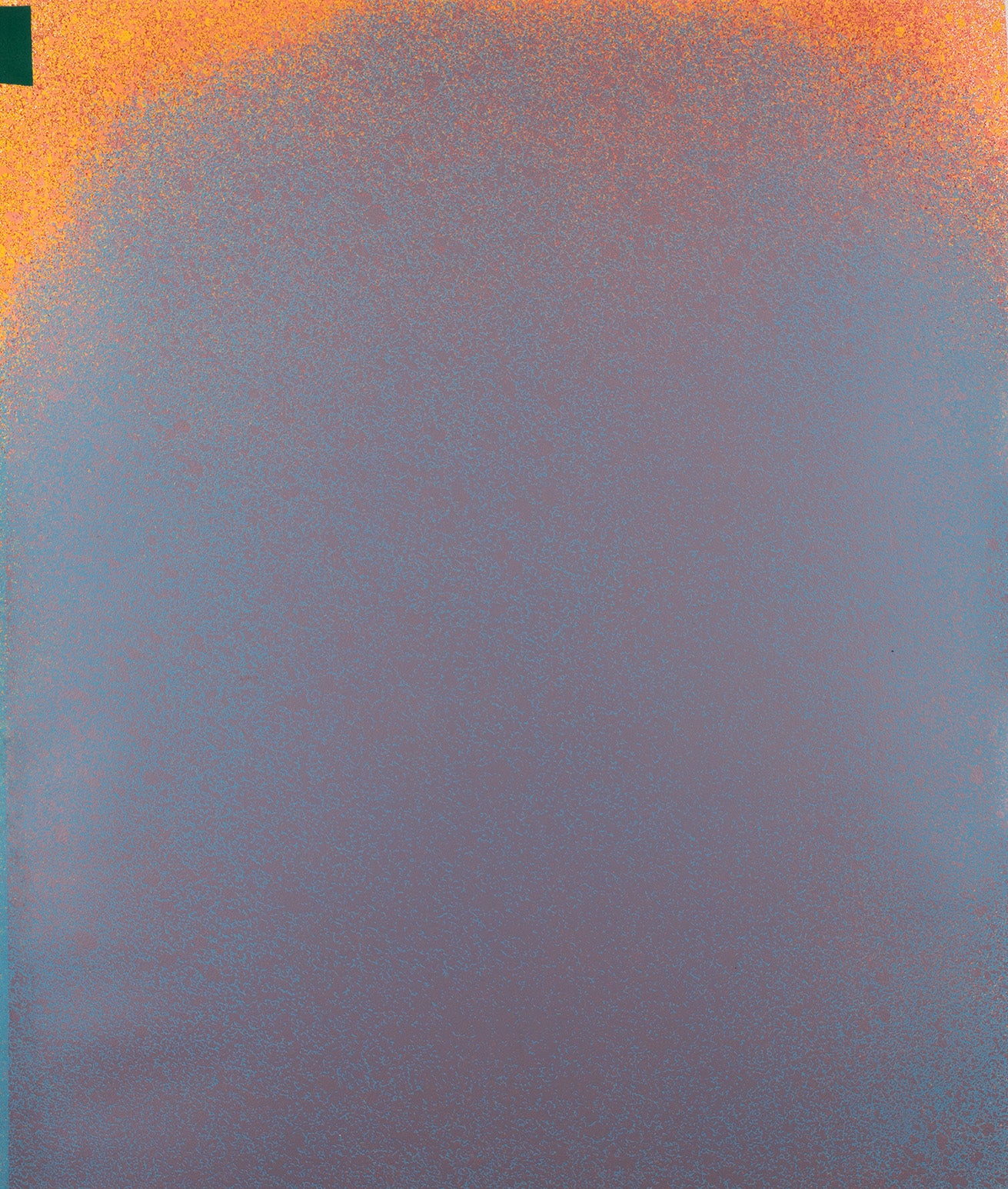
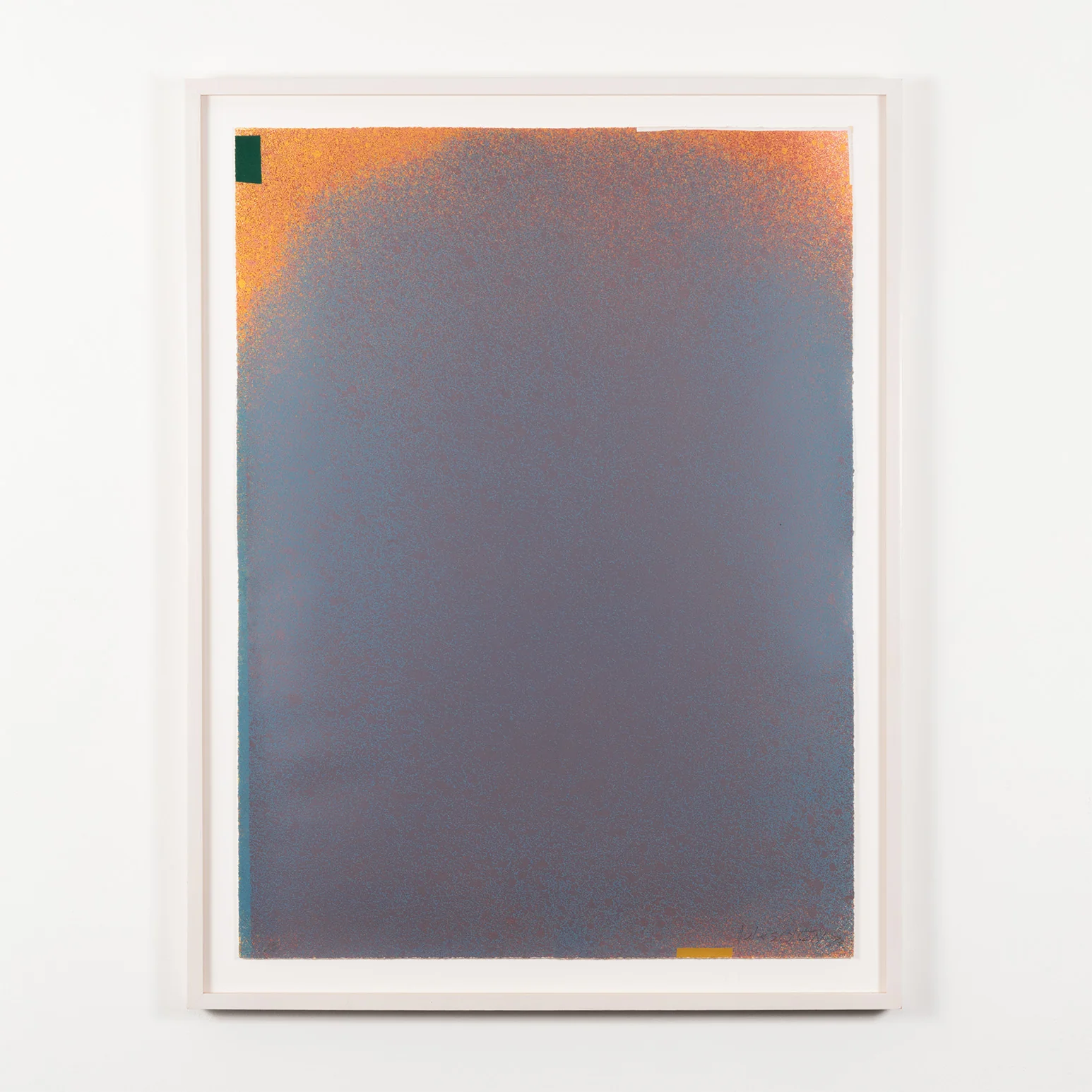
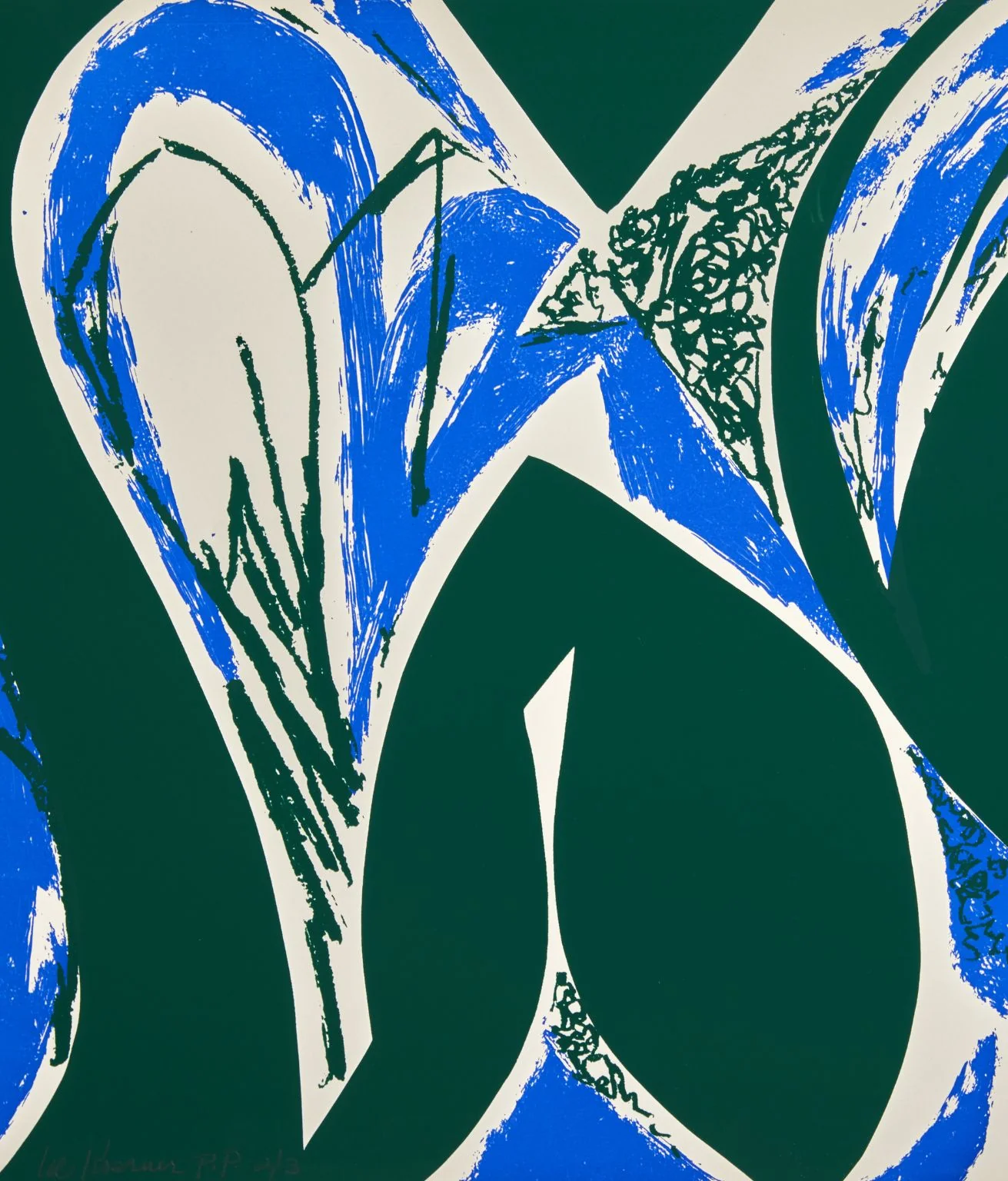
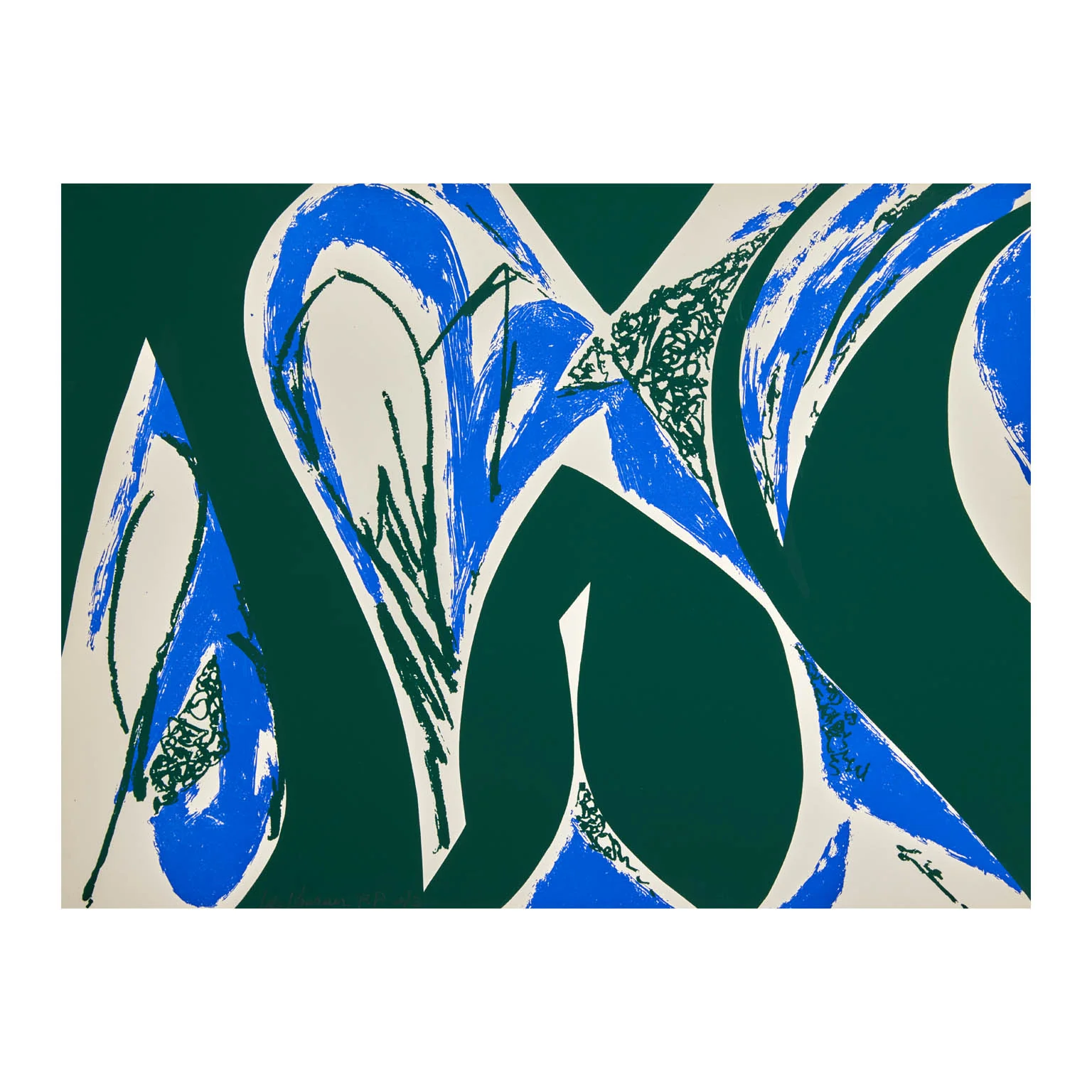
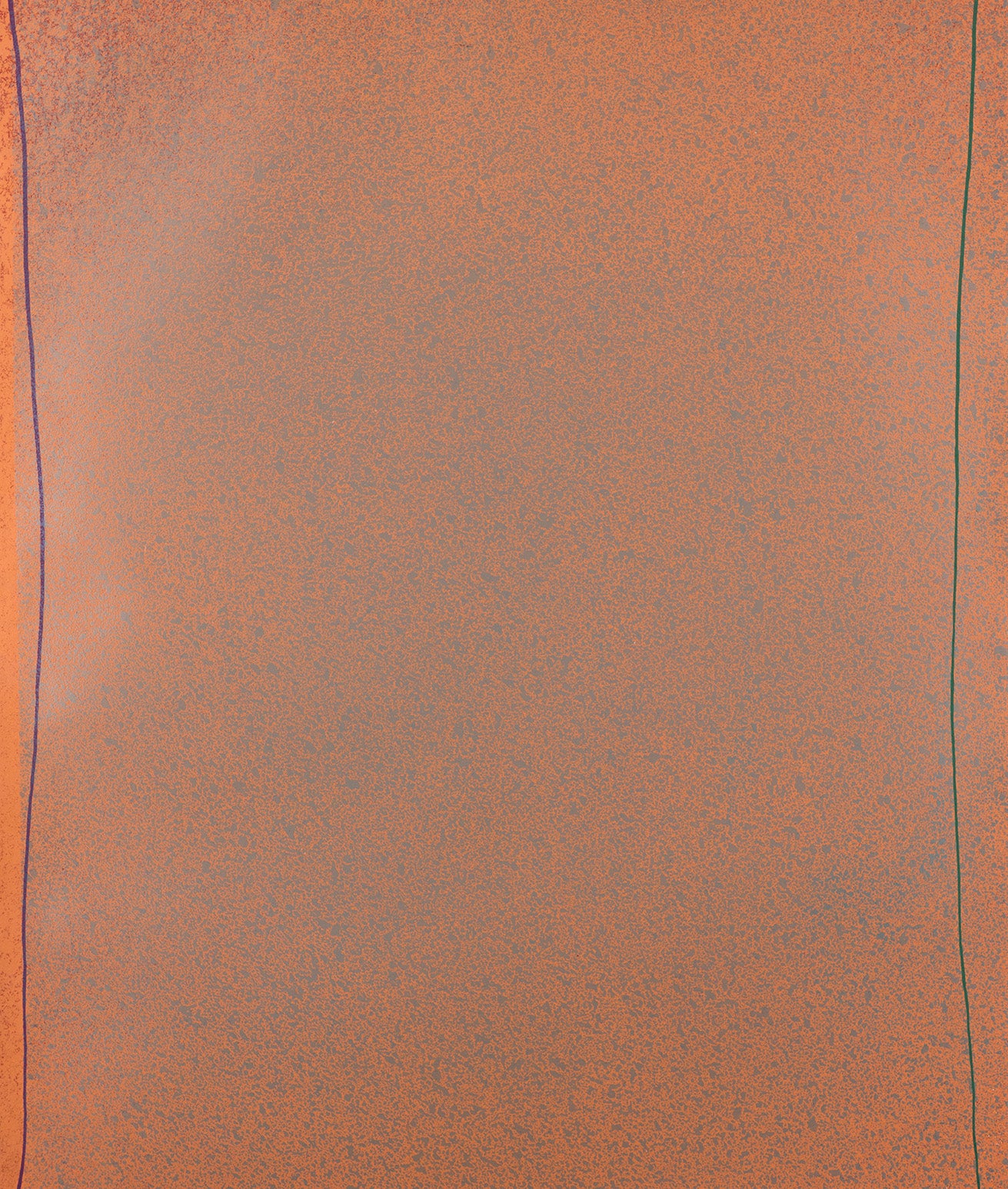
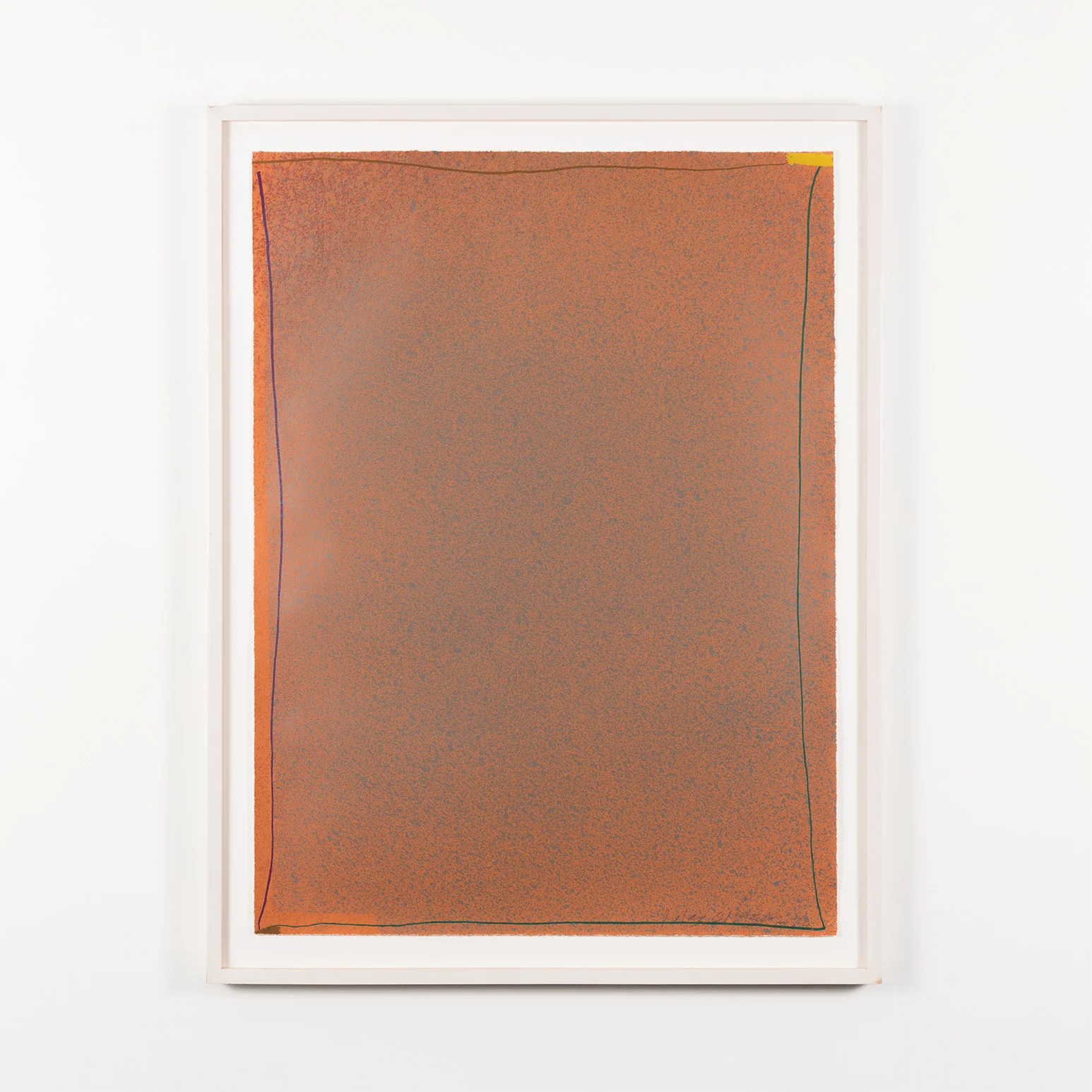
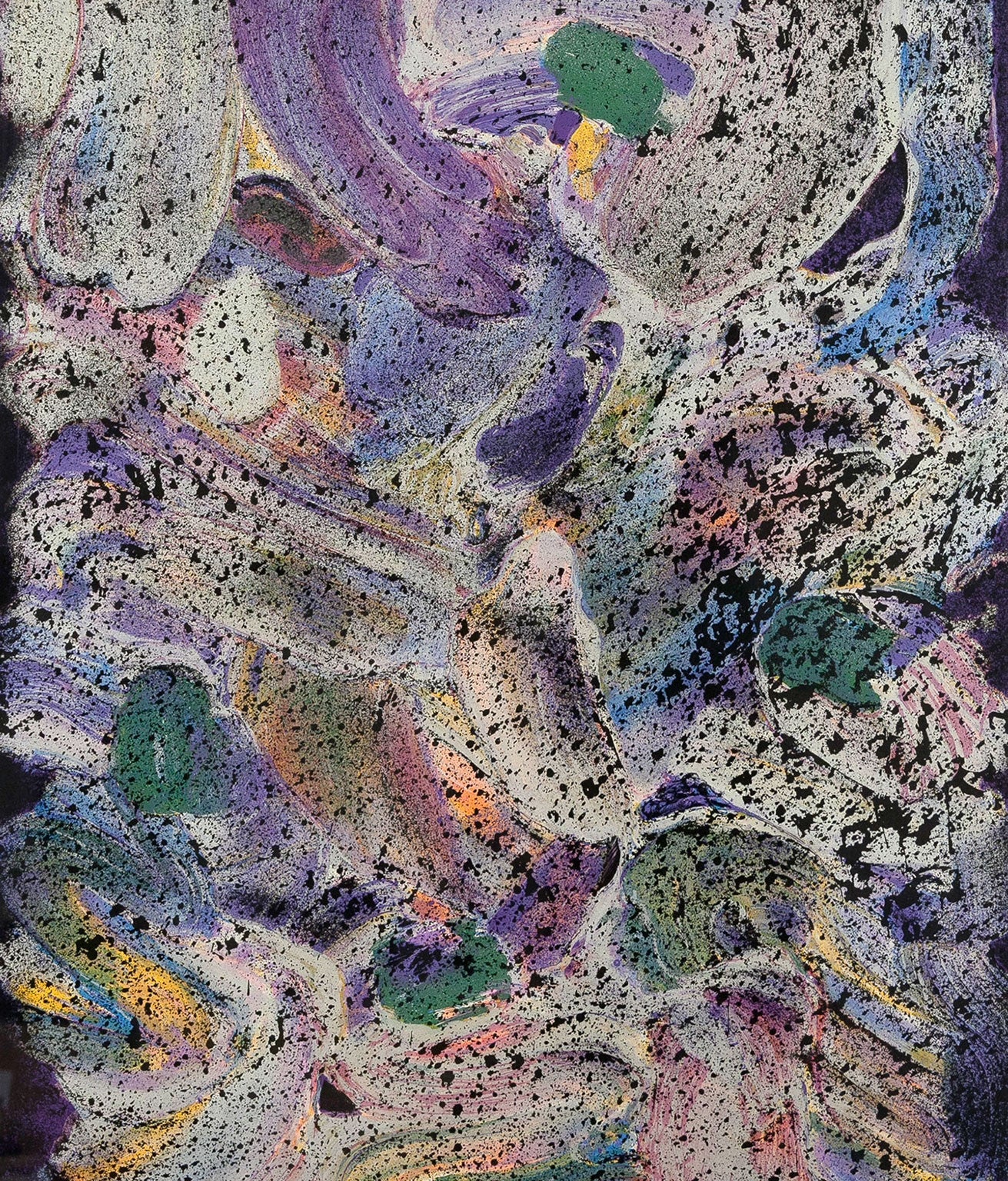
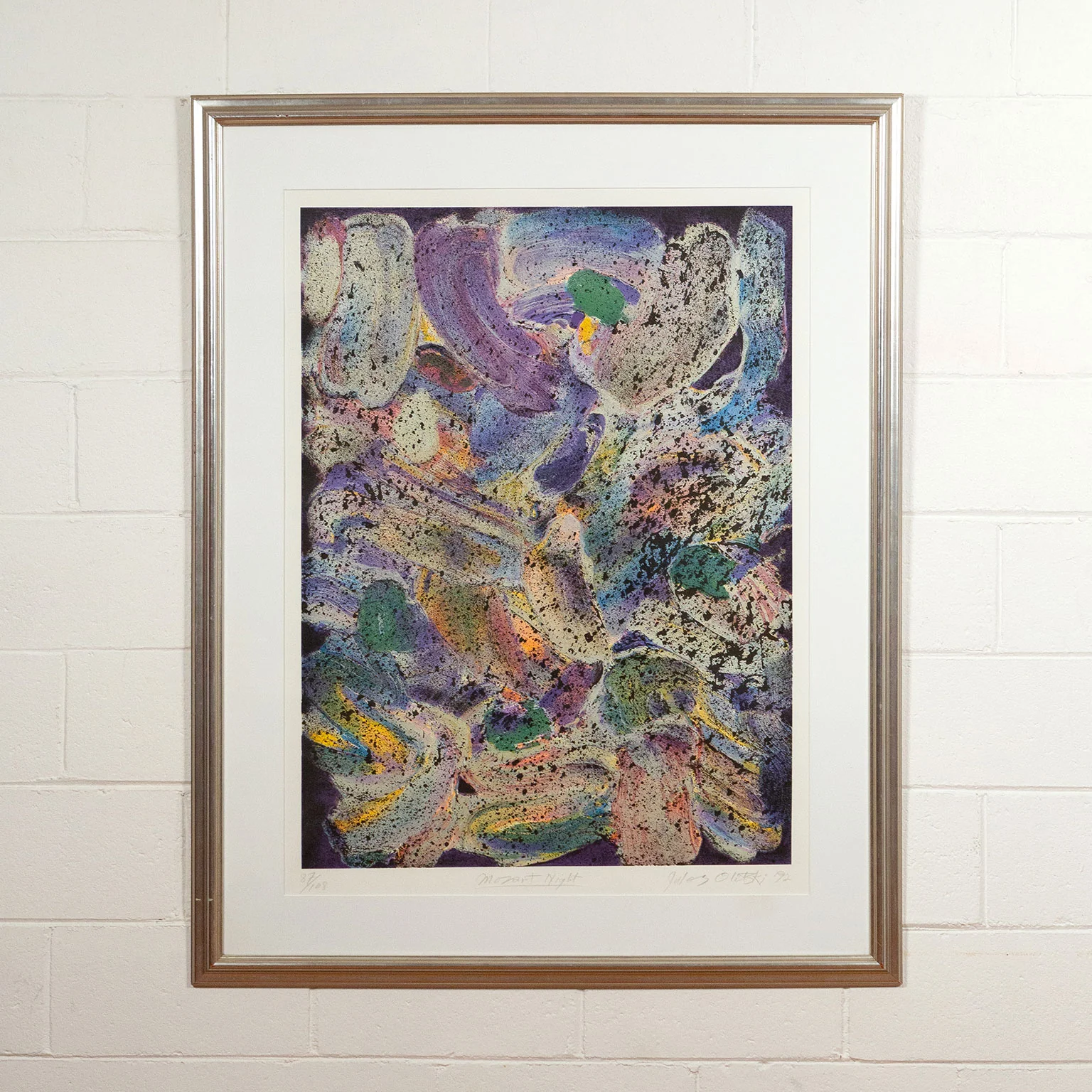
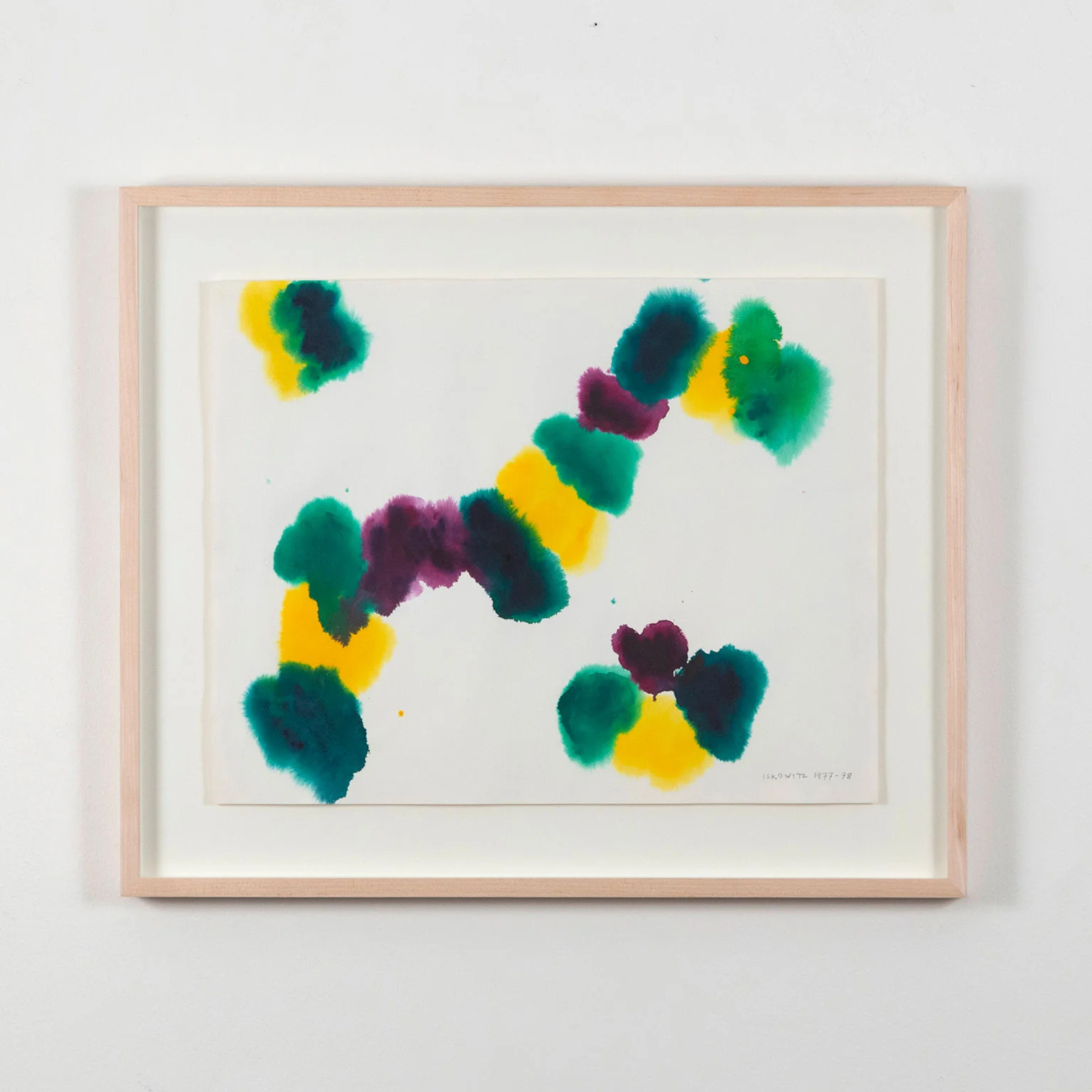
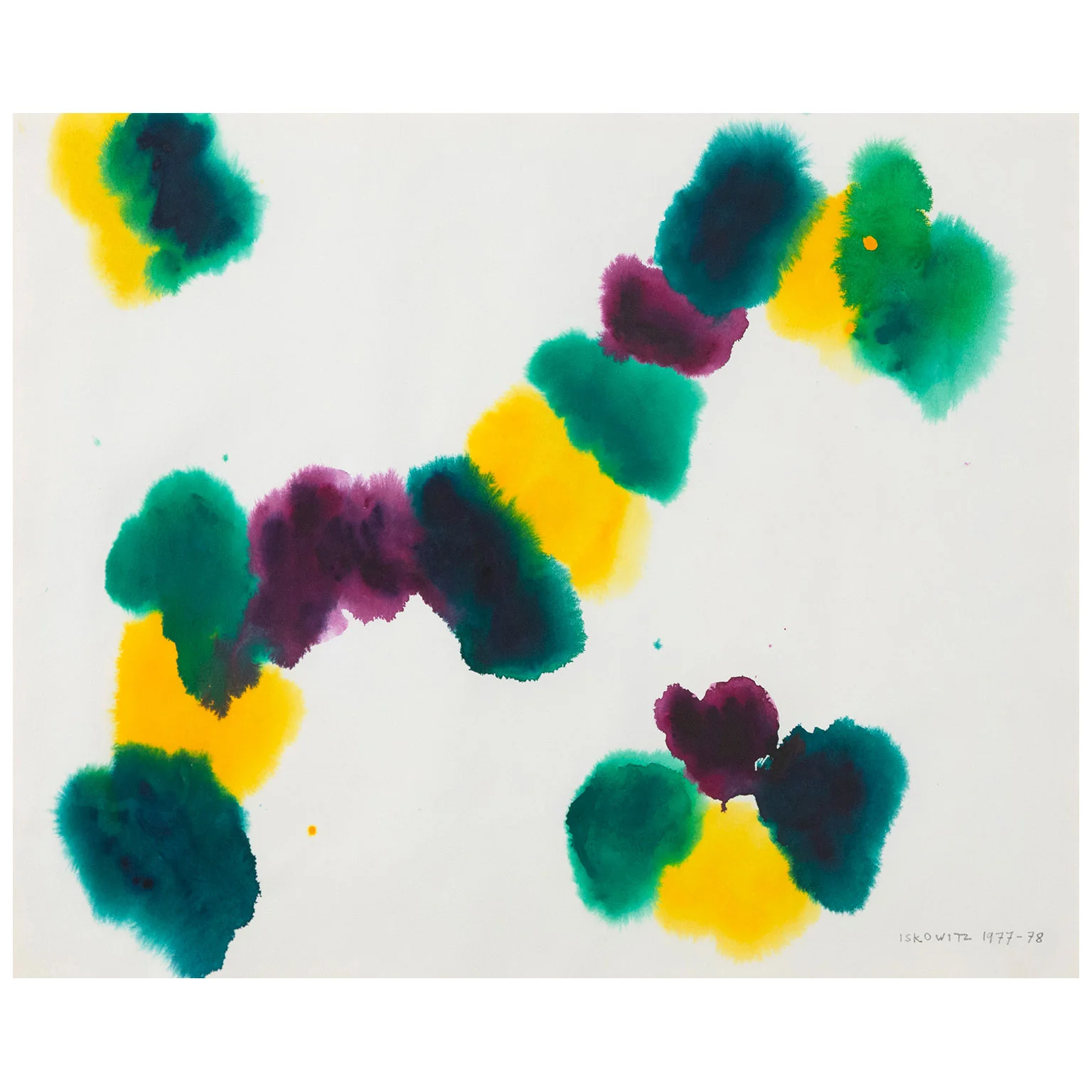
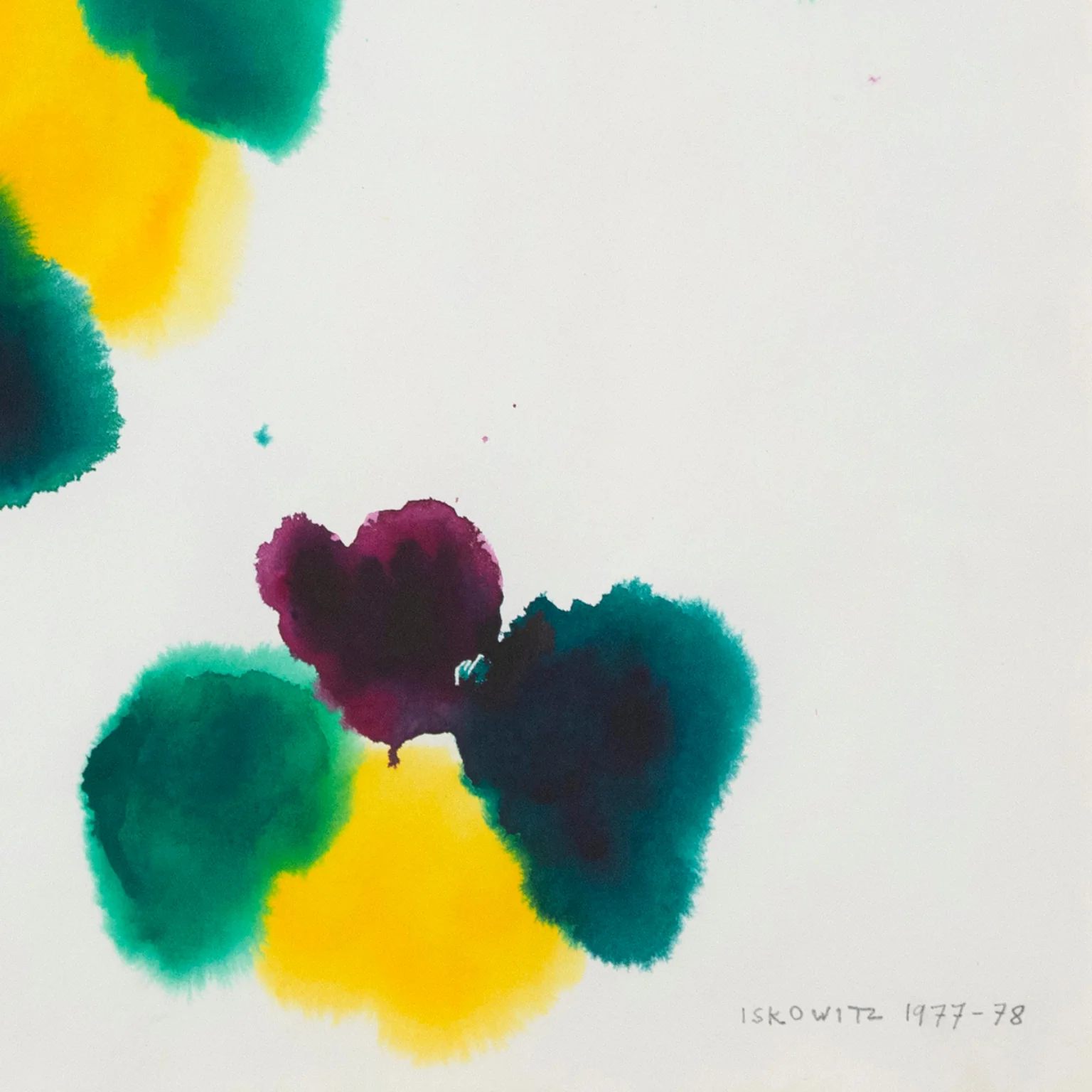
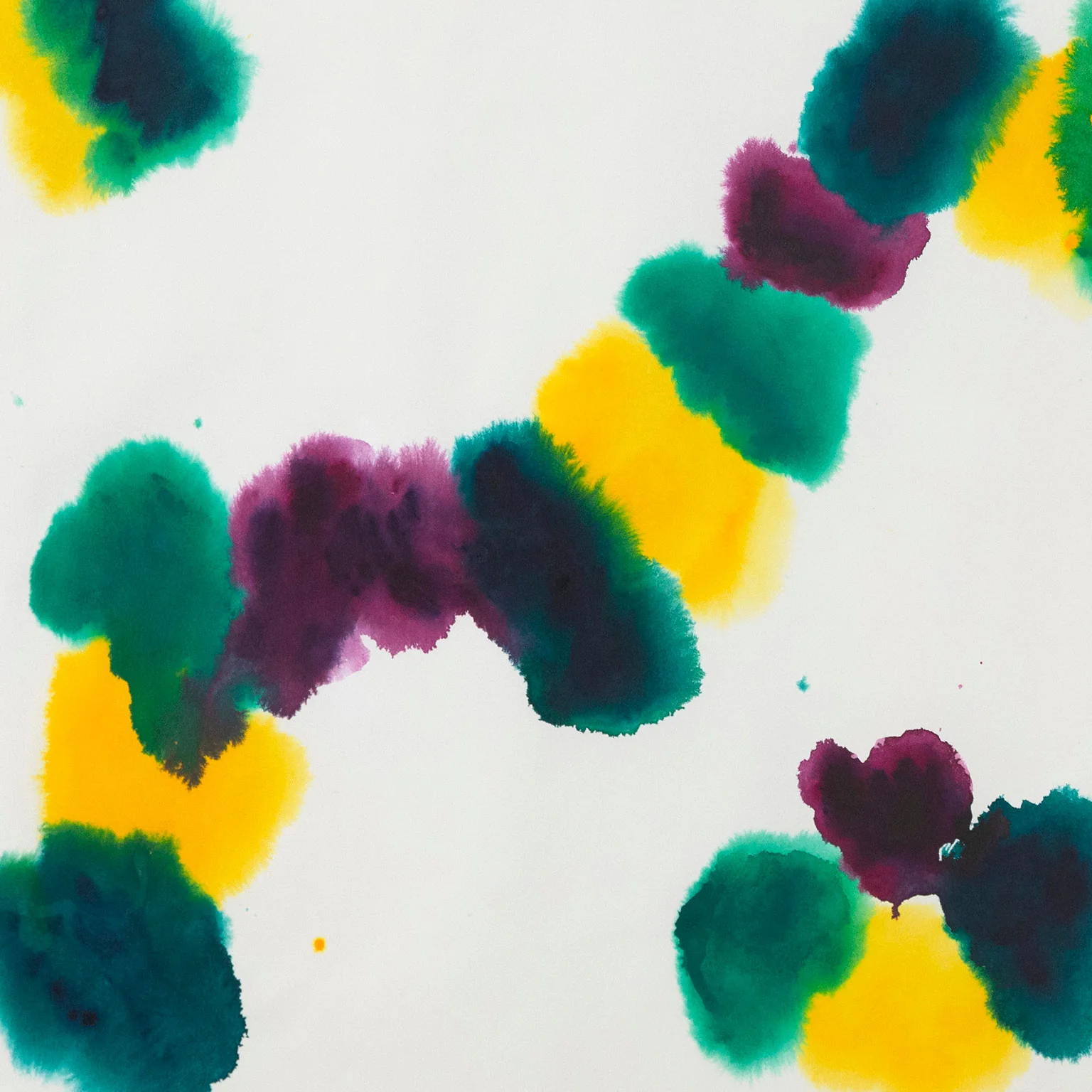
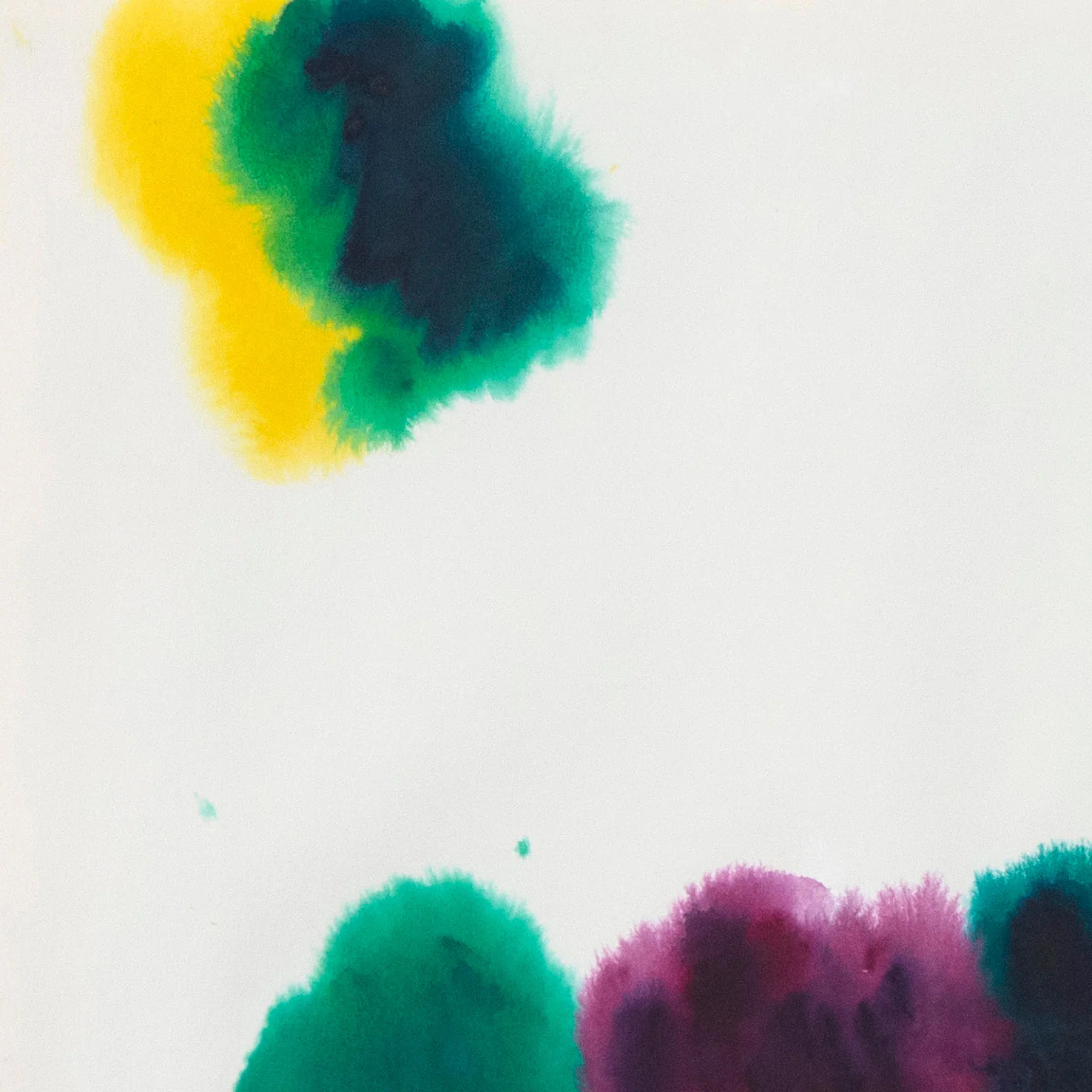
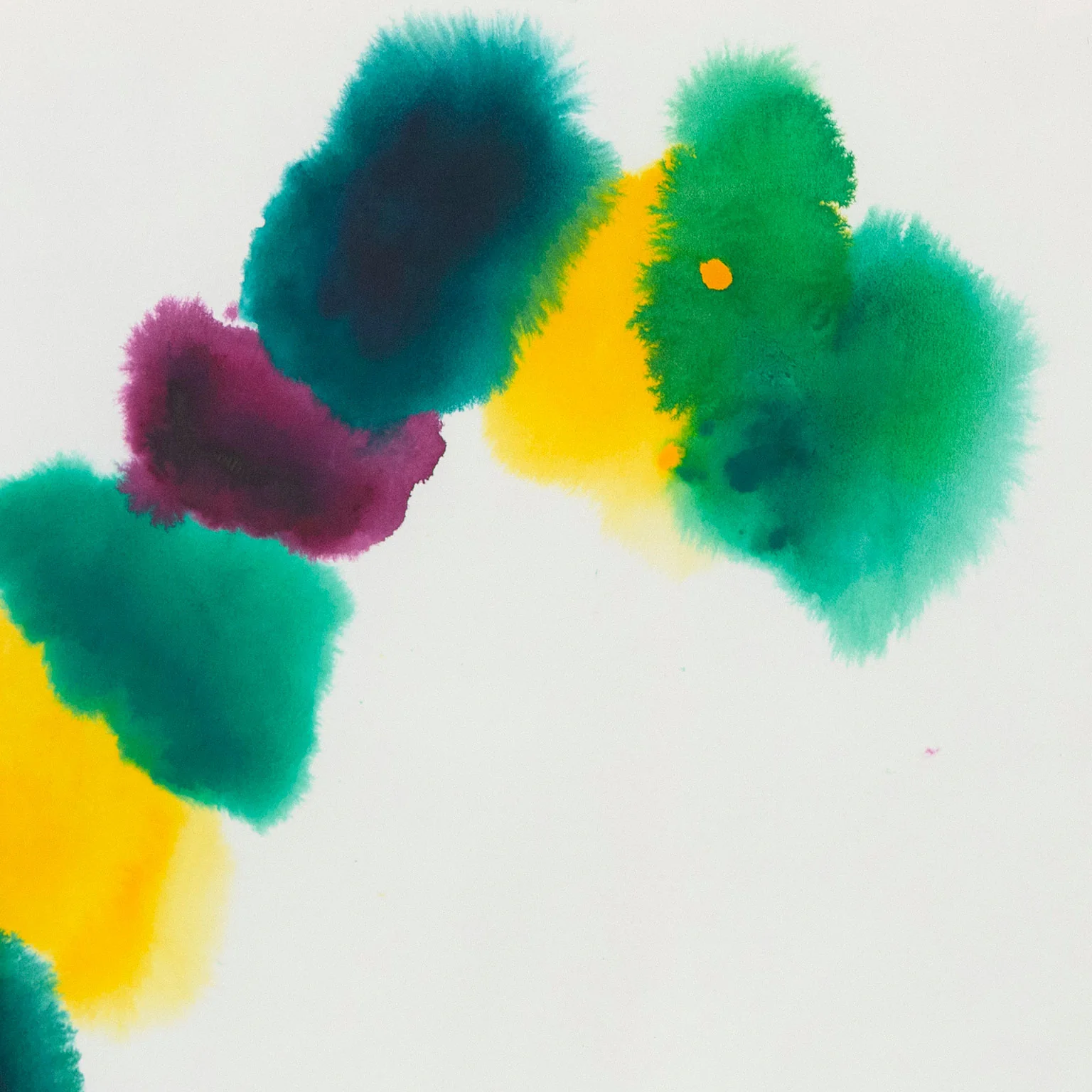
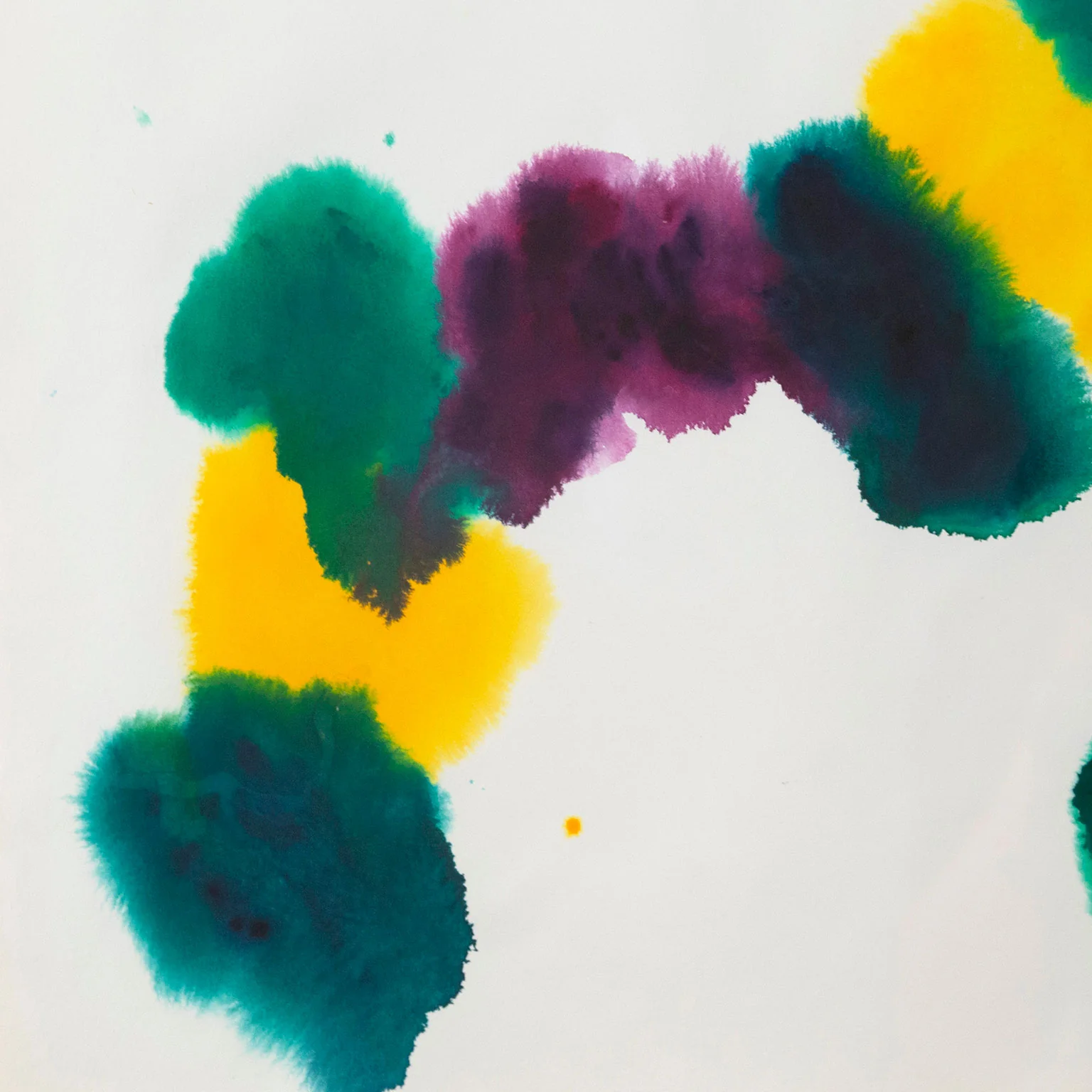
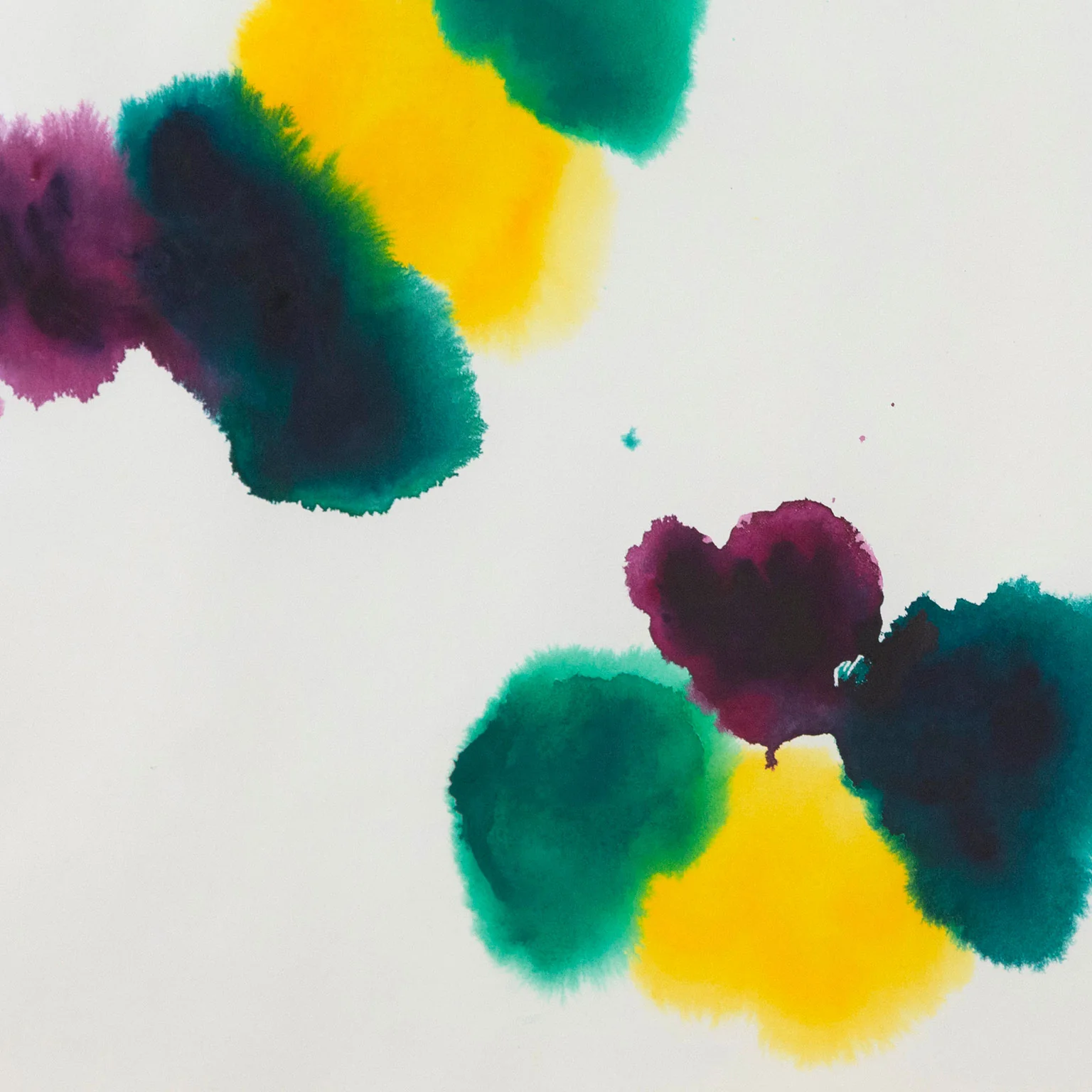
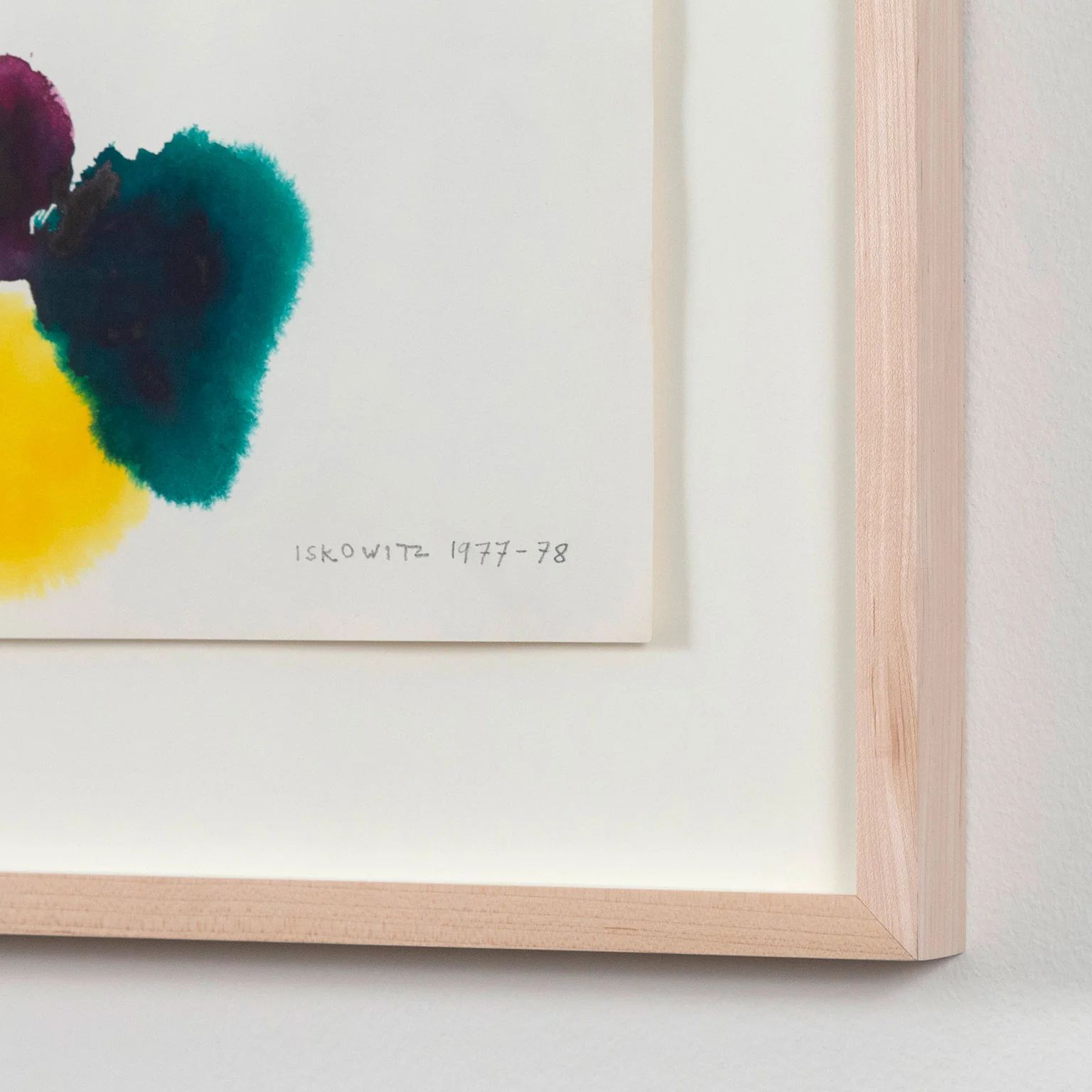
This work is a paradigm of Iskowitz's watercolors from 1977. It joyfully presents large merging forms of his favorite colors of the era; emerald, spring green, lemon yellow, and plum. The entire surface is nearly taken over by these swelling bursts of color, a true celebration of color and medium.
Questions about this piece? Contact us or call +1.416.704.1720. Visit our Toronto gallery on Thursdays or by appointment.
"Untitled" ("Emerald Groove")
Canada, 1977
Watercolor
Signed and dated by artist, lower right
Iskowitz Foundation Inventory Number C-193, verso
17"H 21.5"W (work)
Very good condition
Original: $4,500.00
-70%$4,500.00
$1,350.00More Images

GERSHON ISKOWITZ "EMERALD GROOVE" WATERCOLOR, 1977
It is somewhat hard to reconcile Gershon Iskowitz's (1921-1988) joyful aesthetic with his personal history.
Born to a religious family in Poland, Iskowitz was allowed to leave yeshiva (a Jewish seminary) in order to study art, including a brief stint at the Academy of Fine Arts in Warsaw.
The outbreak of the second world war forced him to return to his hometown where shortly after he was conscripted to forced labor. In 1944 Iskowitz was transferred to Buchenwald, one of the first and most notorious Nazi concentration camps.
Upon liberation, Iskowitz spent nearly 9 months in the hospital recuperating. Amazingly he would study for six months at the Academy of Fine Art in Munich with Oskar Kokoschka.
Iskowitz would eventually immigrate to Canada. For most of the 1950s, he incorporated representation into his art. By the 60's he had established a modest reputation in Toronto and beyond, joining the Gallery Moos stable in 1964.
The legend goes that in 1967 thanks to a Canadian Council grant, Iskowitz took a helicopter tour of the north. The experience of seeing the massive expanse of trees from above inspired a major redirection of his aesthetic and approach.
This work is a paradigm of Iskowitz's watercolors from 1977. It joyfully presents large merging forms of his favorite colors of the era; emerald, spring green, lemon yellow, and plum. The entire surface is nearly taken over by these swelling bursts of color, a true celebration of color and medium.
Questions about this piece? Contact us or call +1.416.704.1720. Visit our Toronto gallery on Thursdays or by appointment.
"Untitled" ("Emerald Groove")
Canada, 1977
Watercolor
Signed and dated by artist, lower right
Iskowitz Foundation Inventory Number C-193, verso
17"H 21.5"W (work)
Very good condition
Product Information
Product Information
Shipping & Returns
Shipping & Returns
Description
It is somewhat hard to reconcile Gershon Iskowitz's (1921-1988) joyful aesthetic with his personal history.
Born to a religious family in Poland, Iskowitz was allowed to leave yeshiva (a Jewish seminary) in order to study art, including a brief stint at the Academy of Fine Arts in Warsaw.
The outbreak of the second world war forced him to return to his hometown where shortly after he was conscripted to forced labor. In 1944 Iskowitz was transferred to Buchenwald, one of the first and most notorious Nazi concentration camps.
Upon liberation, Iskowitz spent nearly 9 months in the hospital recuperating. Amazingly he would study for six months at the Academy of Fine Art in Munich with Oskar Kokoschka.
Iskowitz would eventually immigrate to Canada. For most of the 1950s, he incorporated representation into his art. By the 60's he had established a modest reputation in Toronto and beyond, joining the Gallery Moos stable in 1964.
The legend goes that in 1967 thanks to a Canadian Council grant, Iskowitz took a helicopter tour of the north. The experience of seeing the massive expanse of trees from above inspired a major redirection of his aesthetic and approach.
This work is a paradigm of Iskowitz's watercolors from 1977. It joyfully presents large merging forms of his favorite colors of the era; emerald, spring green, lemon yellow, and plum. The entire surface is nearly taken over by these swelling bursts of color, a true celebration of color and medium.
Questions about this piece? Contact us or call +1.416.704.1720. Visit our Toronto gallery on Thursdays or by appointment.
"Untitled" ("Emerald Groove")
Canada, 1977
Watercolor
Signed and dated by artist, lower right
Iskowitz Foundation Inventory Number C-193, verso
17"H 21.5"W (work)
Very good condition