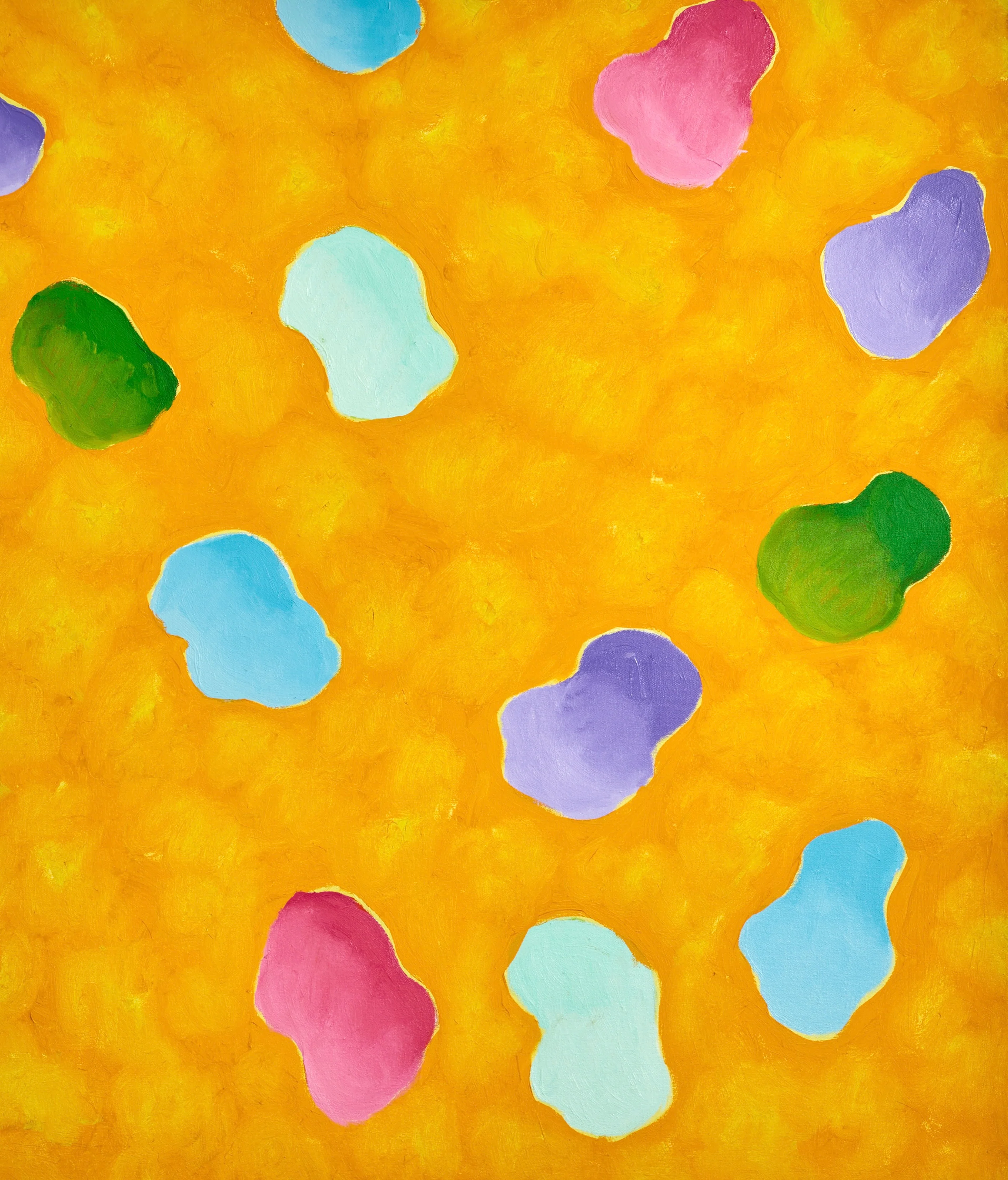
GERSHON ISKOWITZ "MARIGOLD JOY" 1987
It is hard to reconcile Gershon Iskowitz's (1921-1988) aesthetic with his personal history.
Born to a religious family in Poland, Iskowitz was allowed to leave Yeshiva (Jewish religious studies) in order to study art independently; and later, briefly at the Academy of Fine Arts in Warsaw. The outbreak of war forced him to return to his hometown where he was conscripted to forced labor after his arrival. In 1944 Iskowitz was transferred to Buchenwald, one of the first and most notorious Nazi concentration camps.
Upon liberation Iskowitz spent nearly 9 months in hospital recuperating. Amazingly he would study for six months at the Academy of Fine Art in Munich with Oskar Kokoschka.
Iskowitz would eventually immigrate to Canada. For most of the 1950's he incorporated representation into his art. By the early 1960's he had established a modest local reputation as an artist and joined the Gallery Moos stable in 1964.
Iskowitz's survived the darkest side of humanity and built a life dedicated to creating beautiful art.
The legend goes that in 1967 thanks to a Canadian Council grant, Iskowitz took a helicopter tour of the north. The experience of seeing the massive expanse of trees from above inspired a major redirection of his aesthetic and approach.
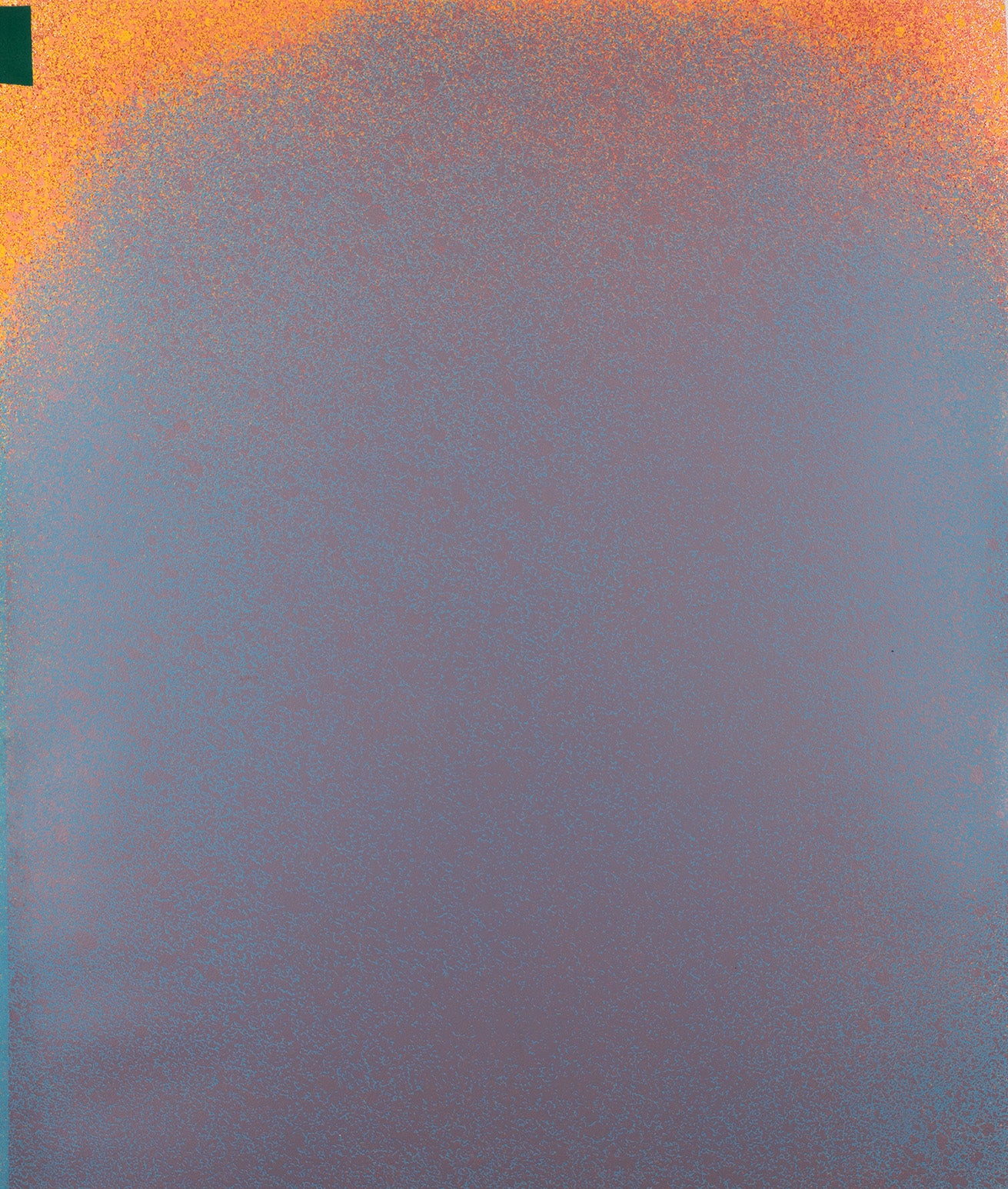
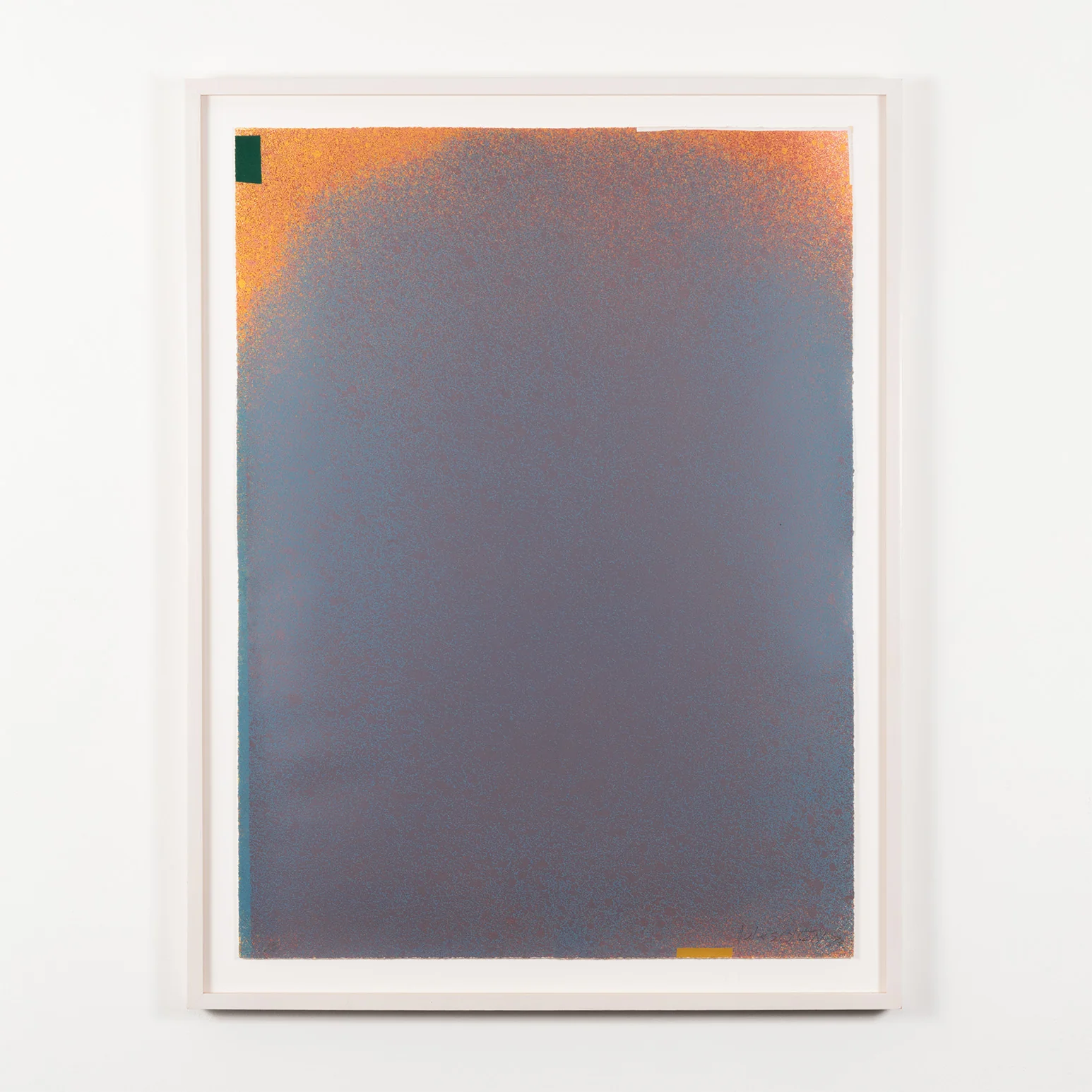
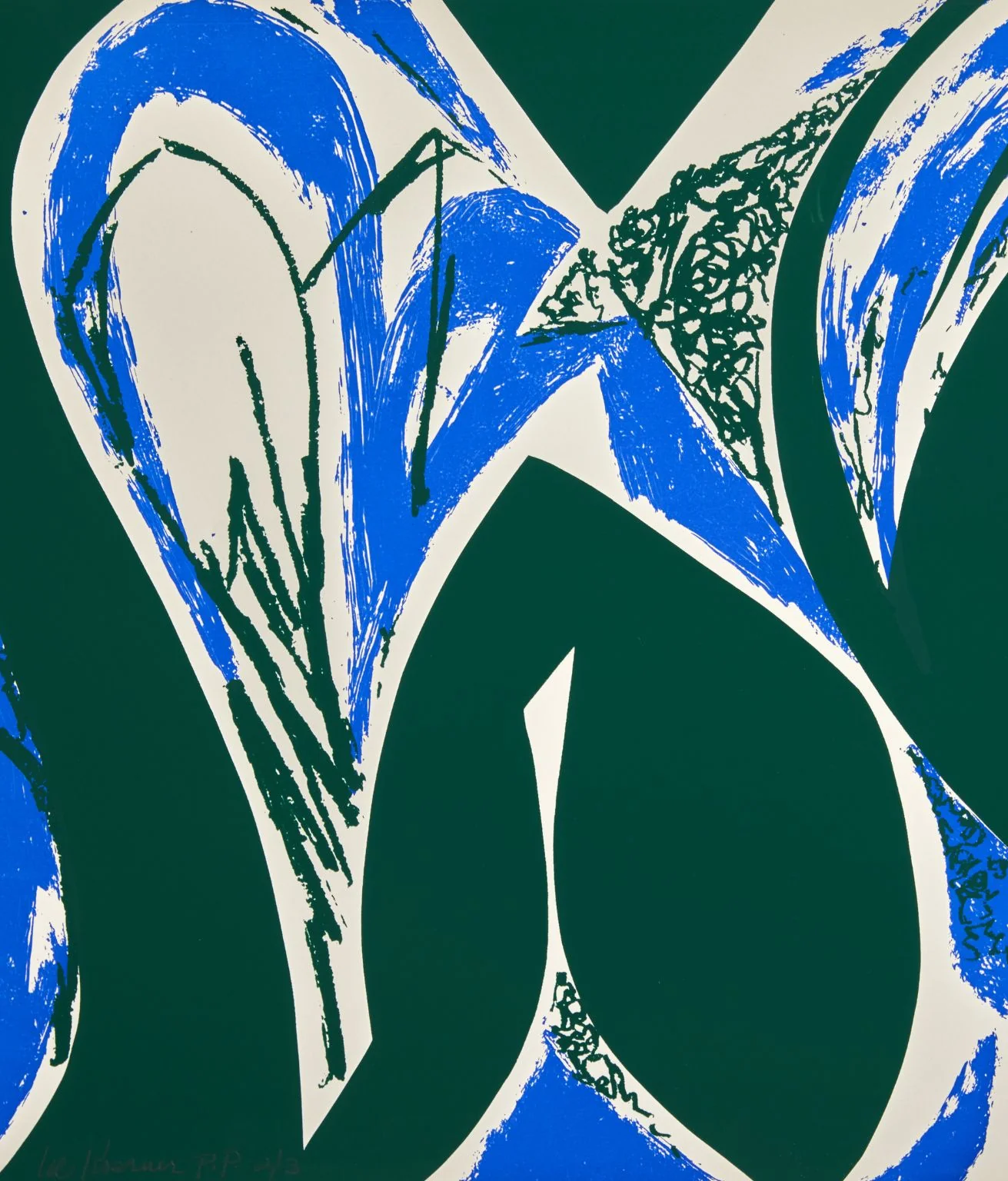
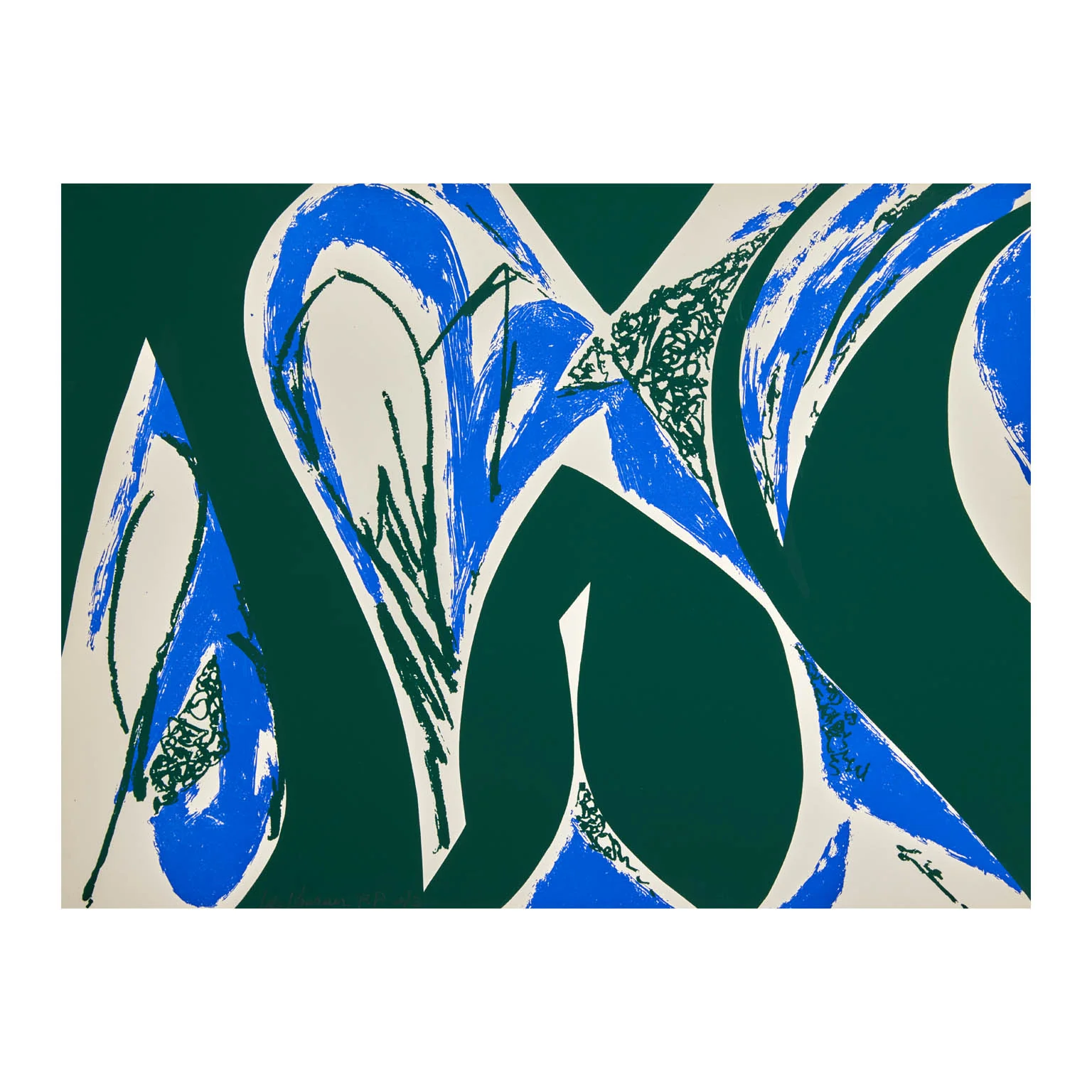
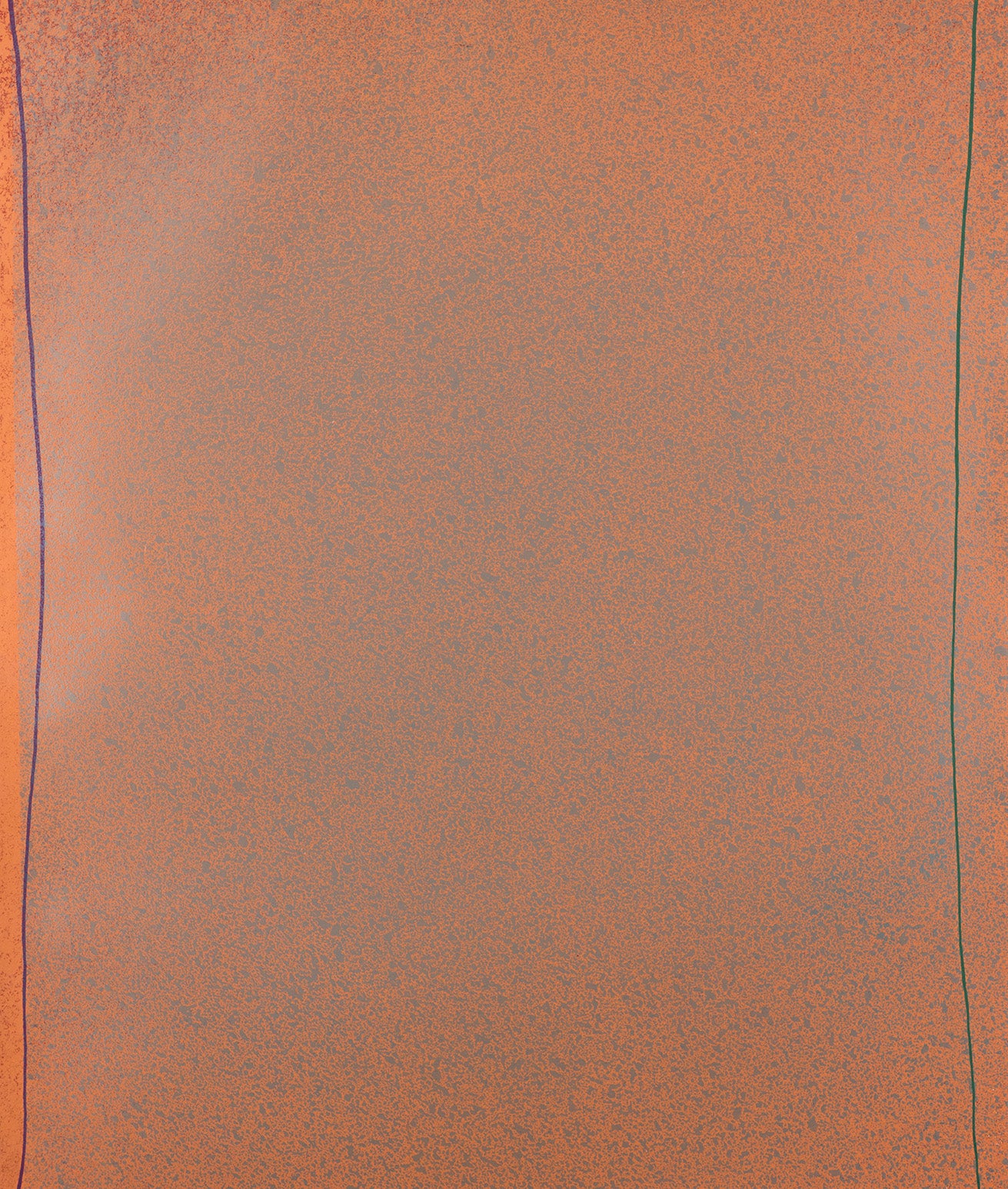
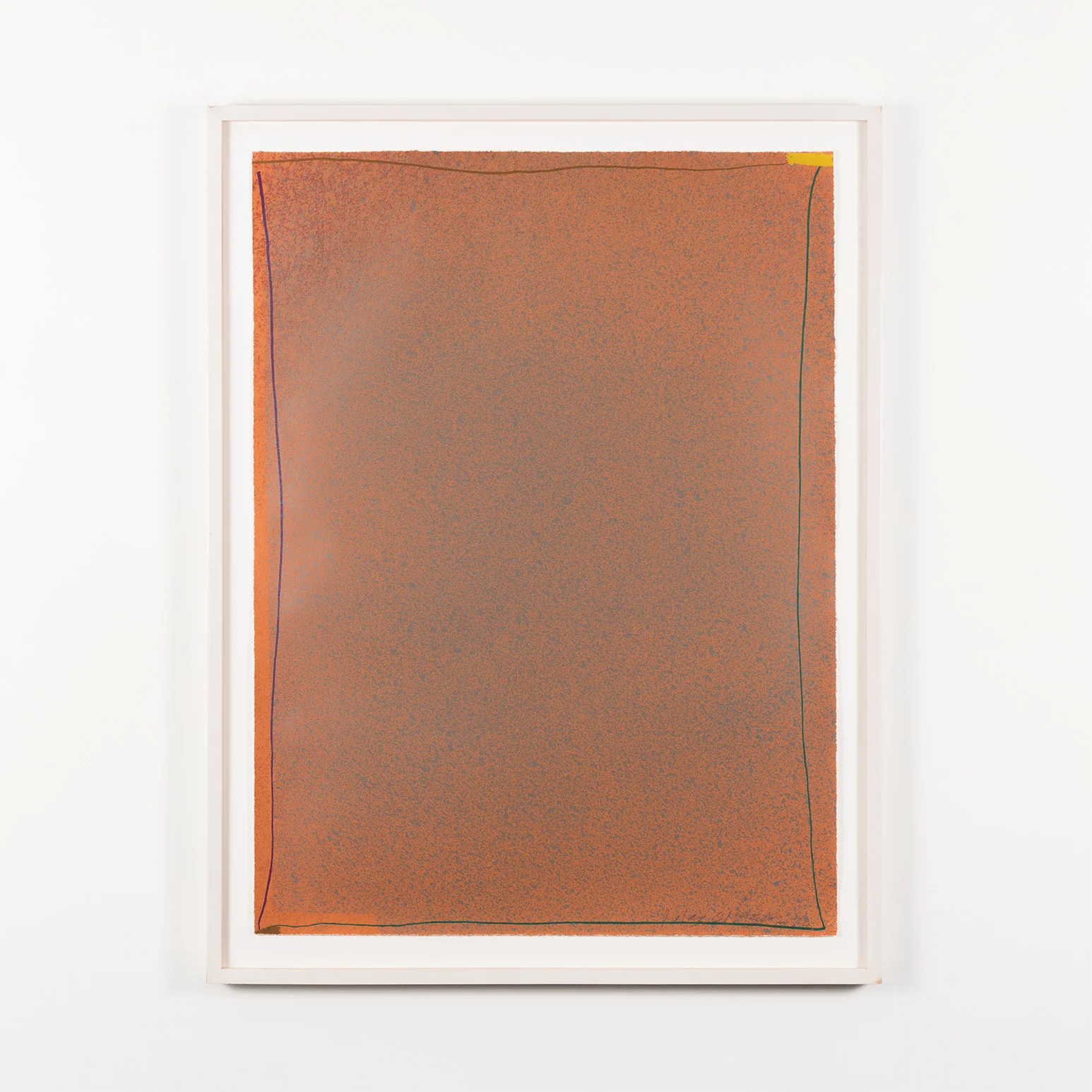
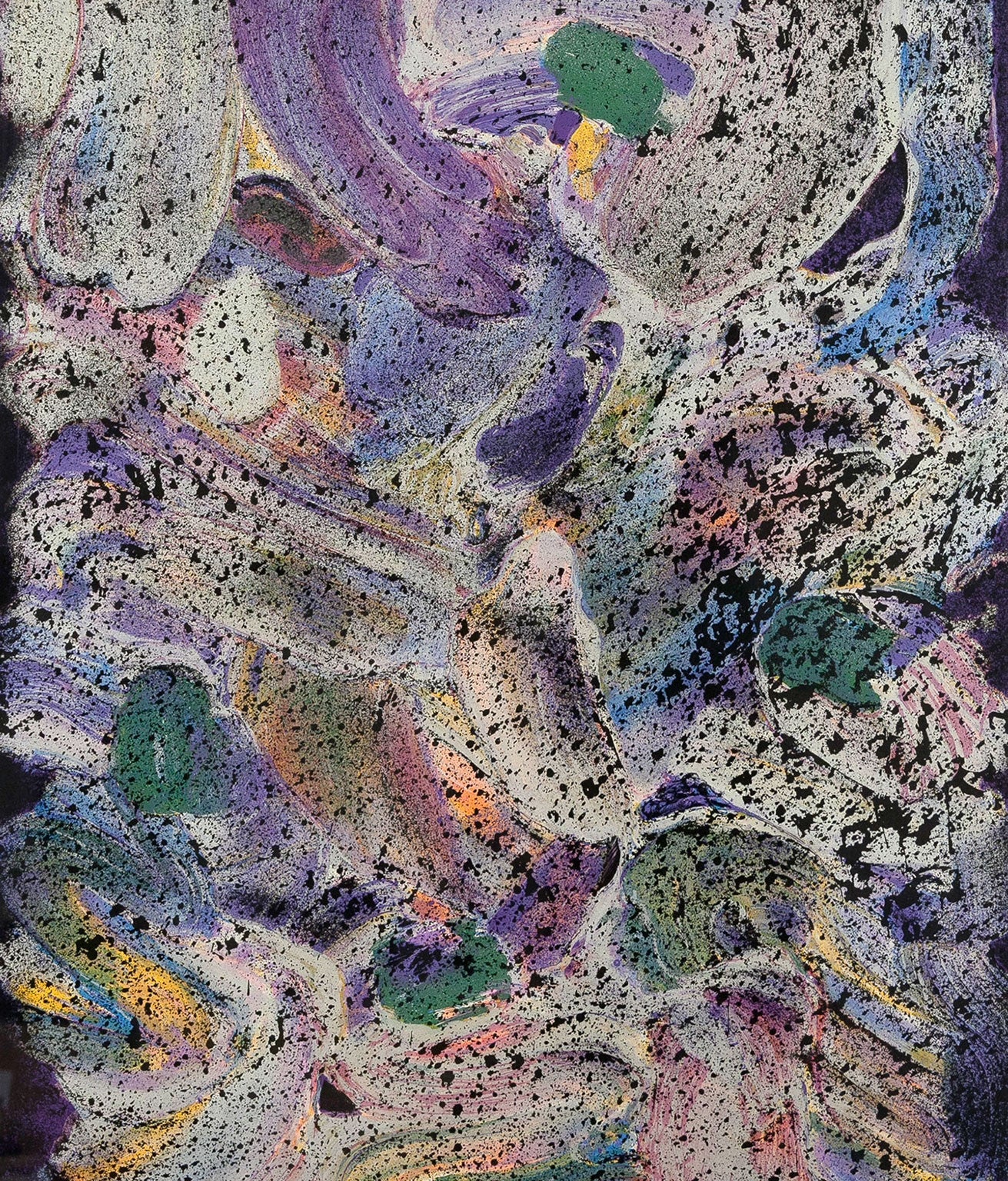
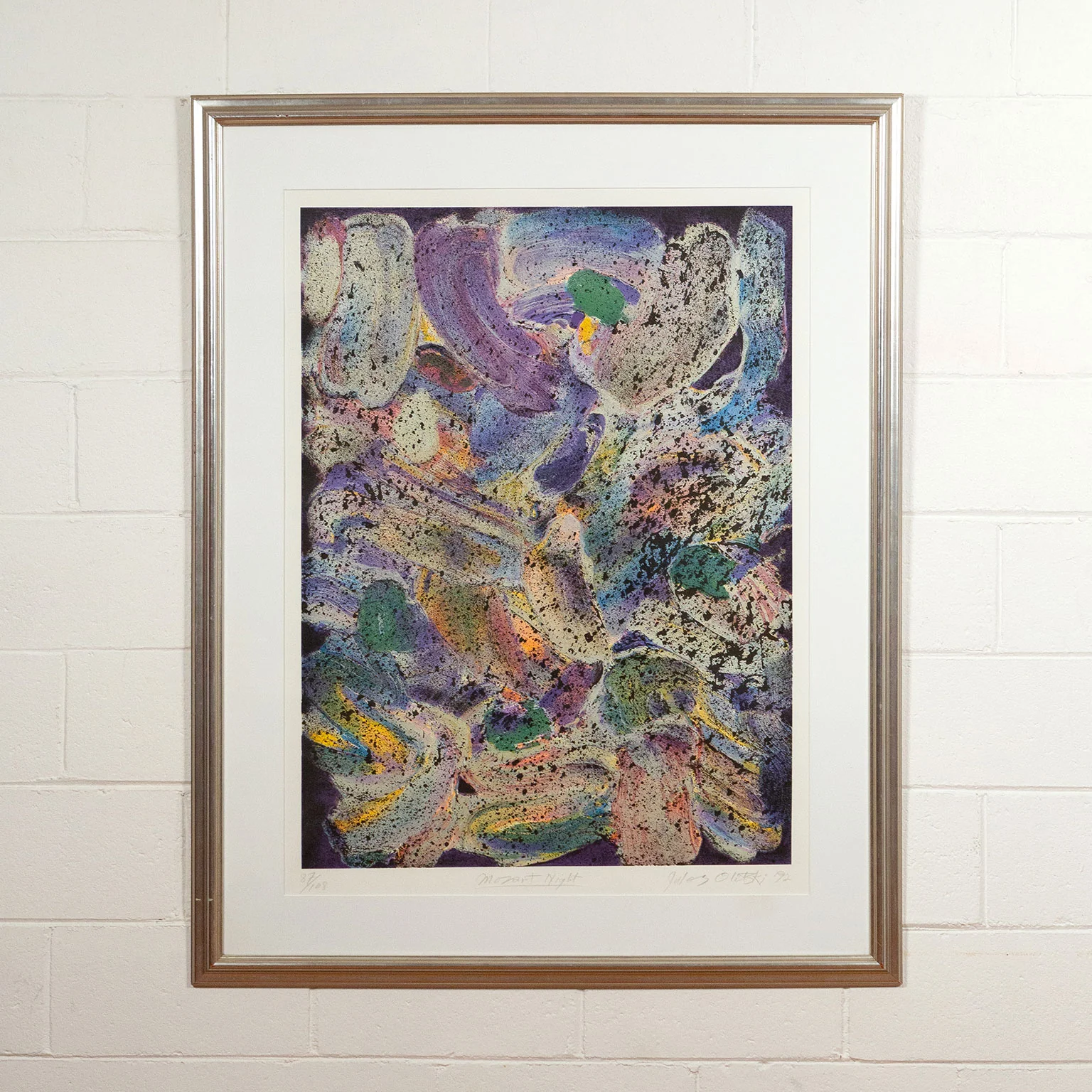
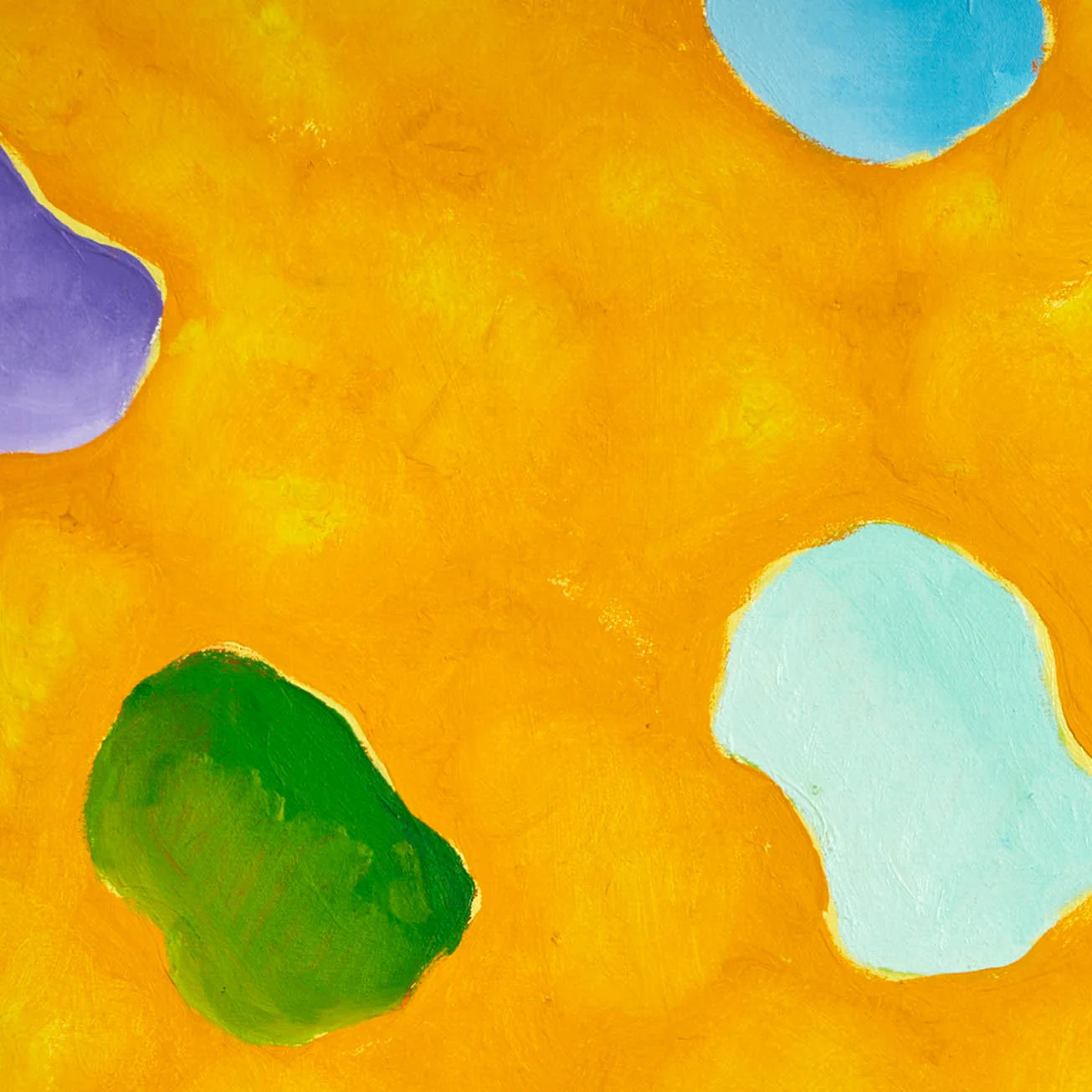
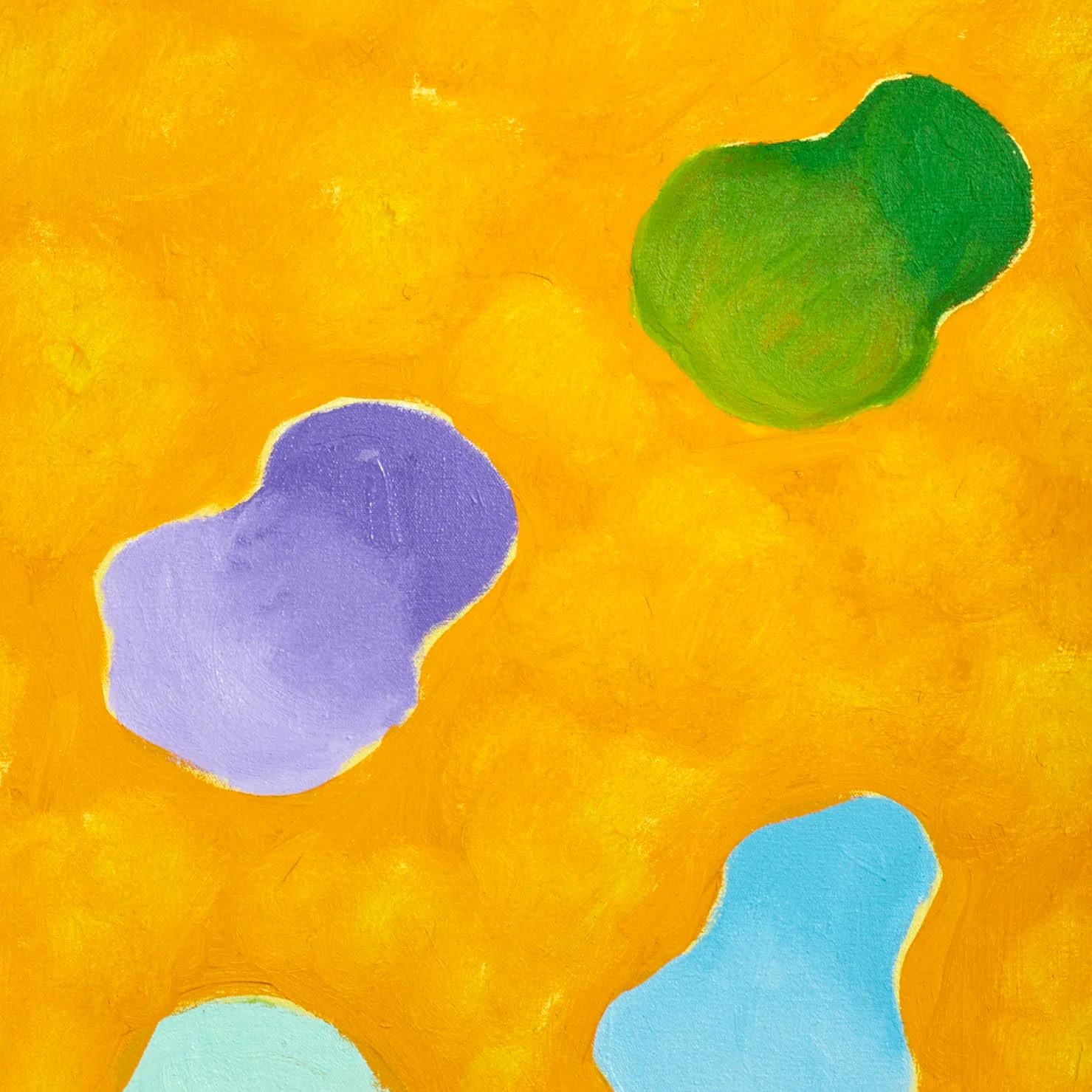
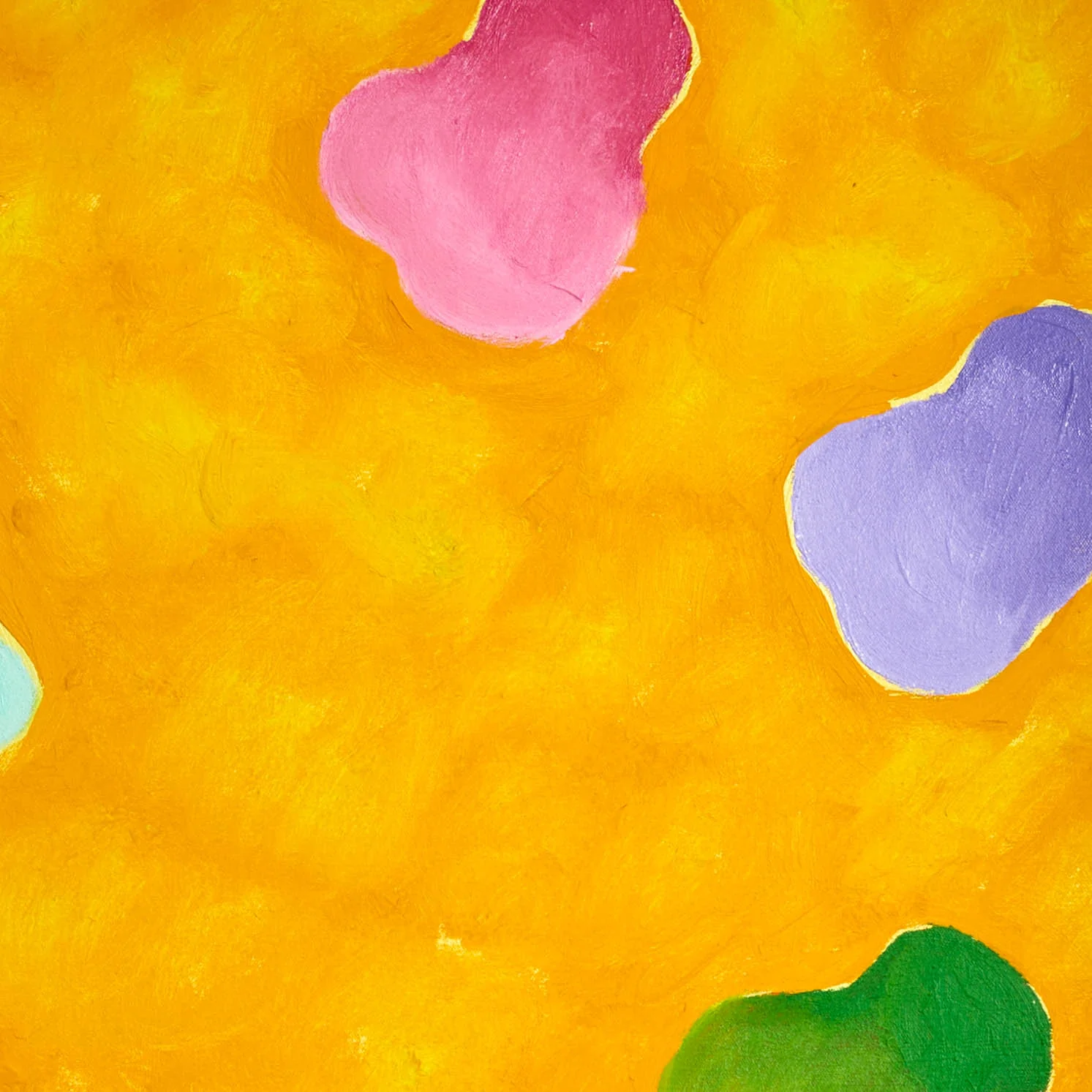
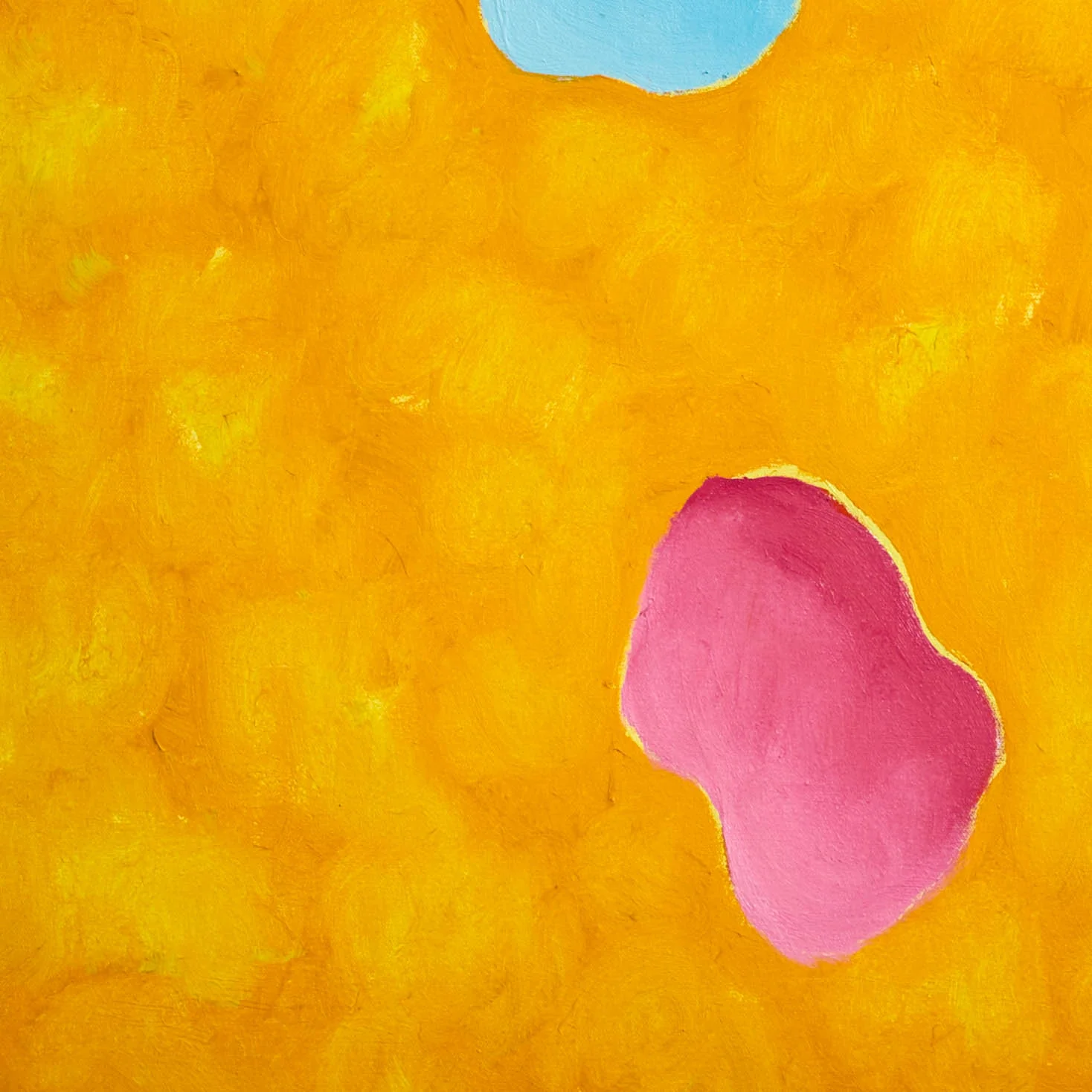
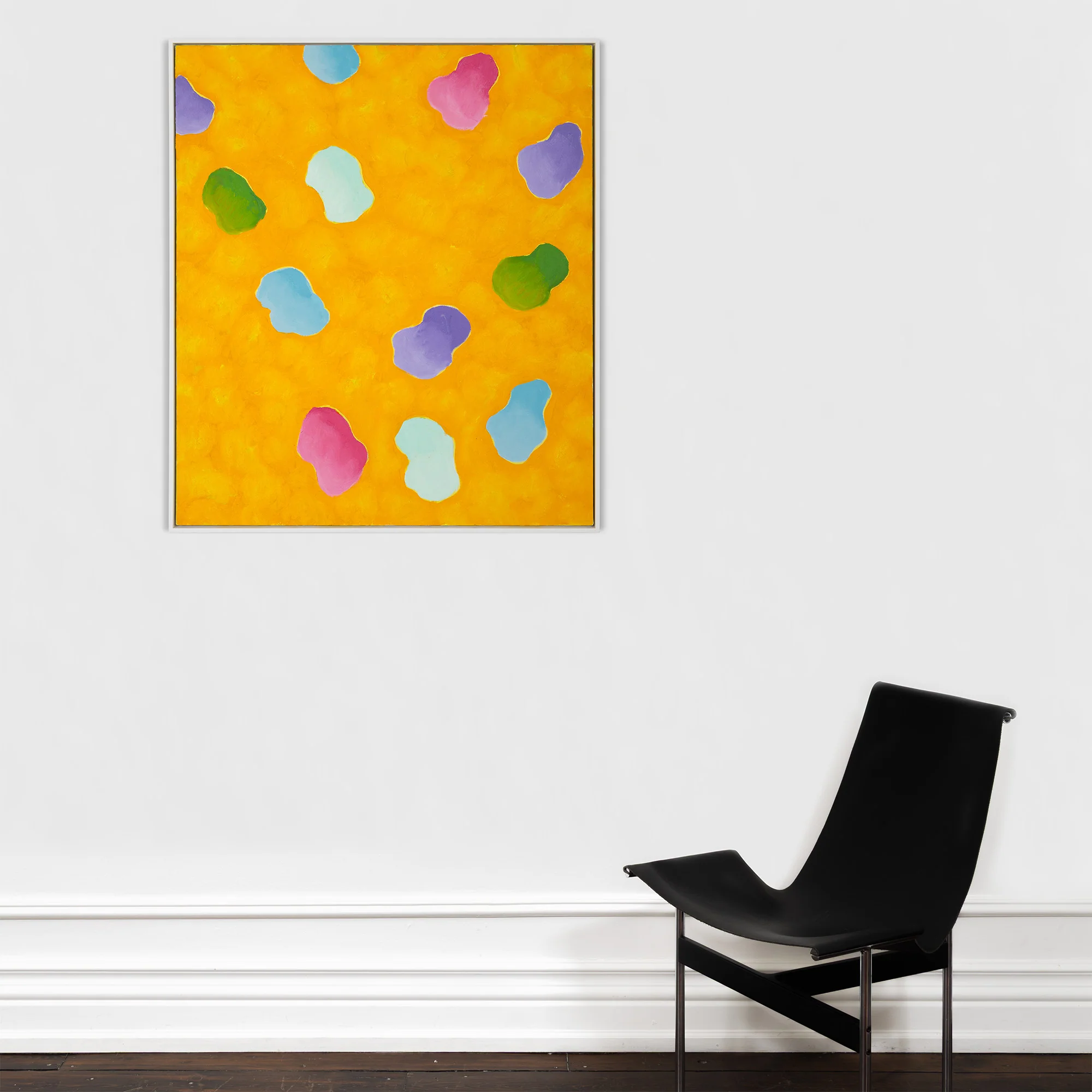
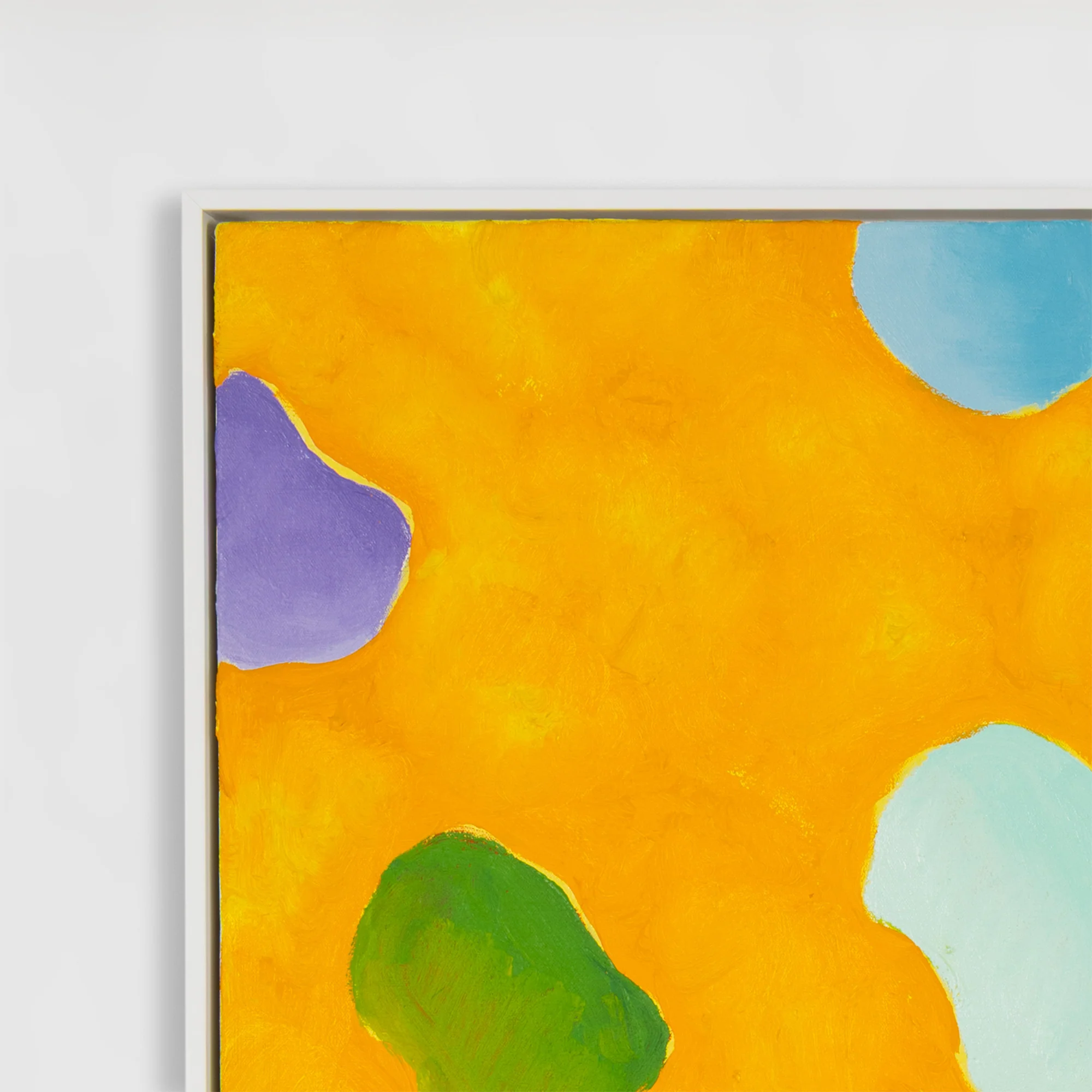
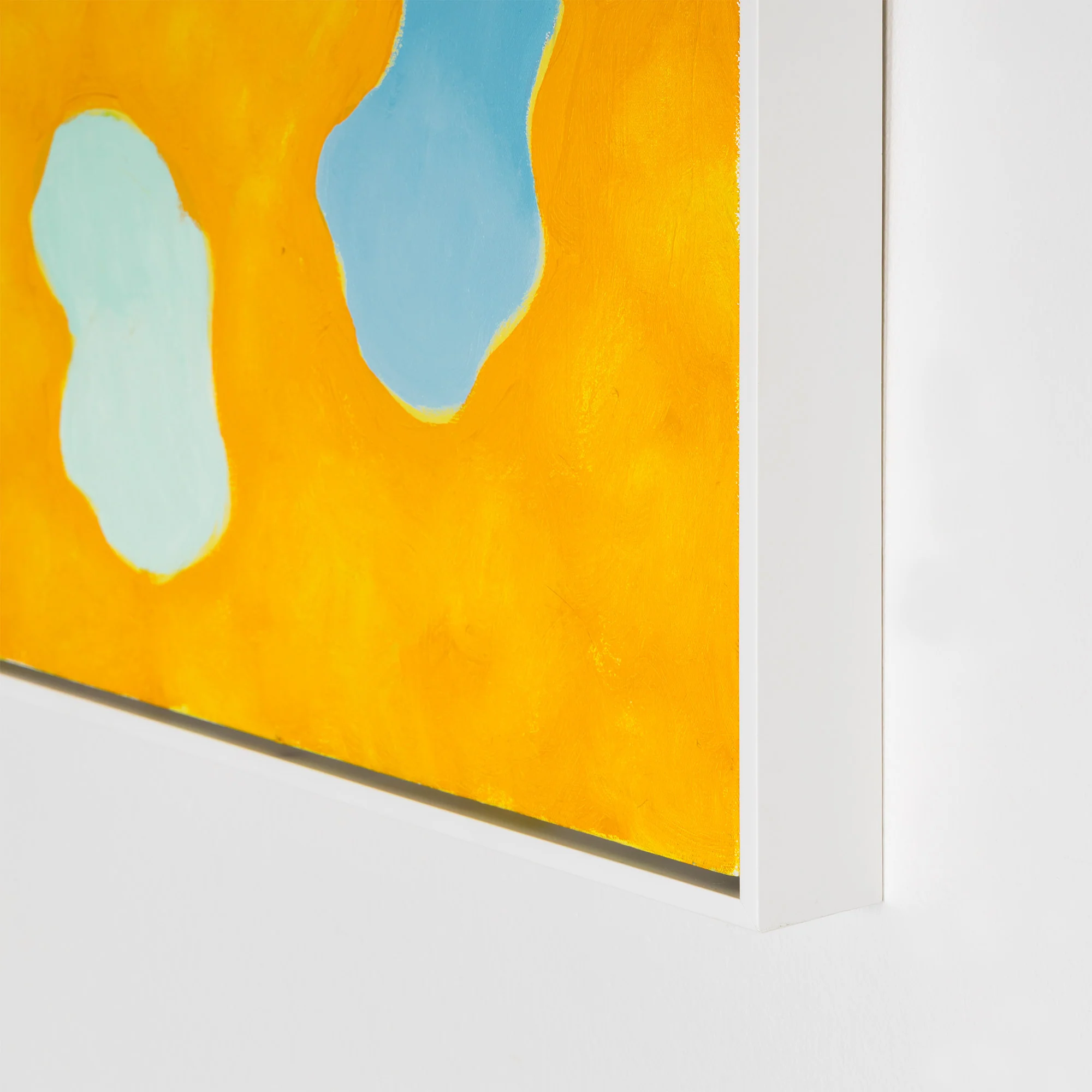
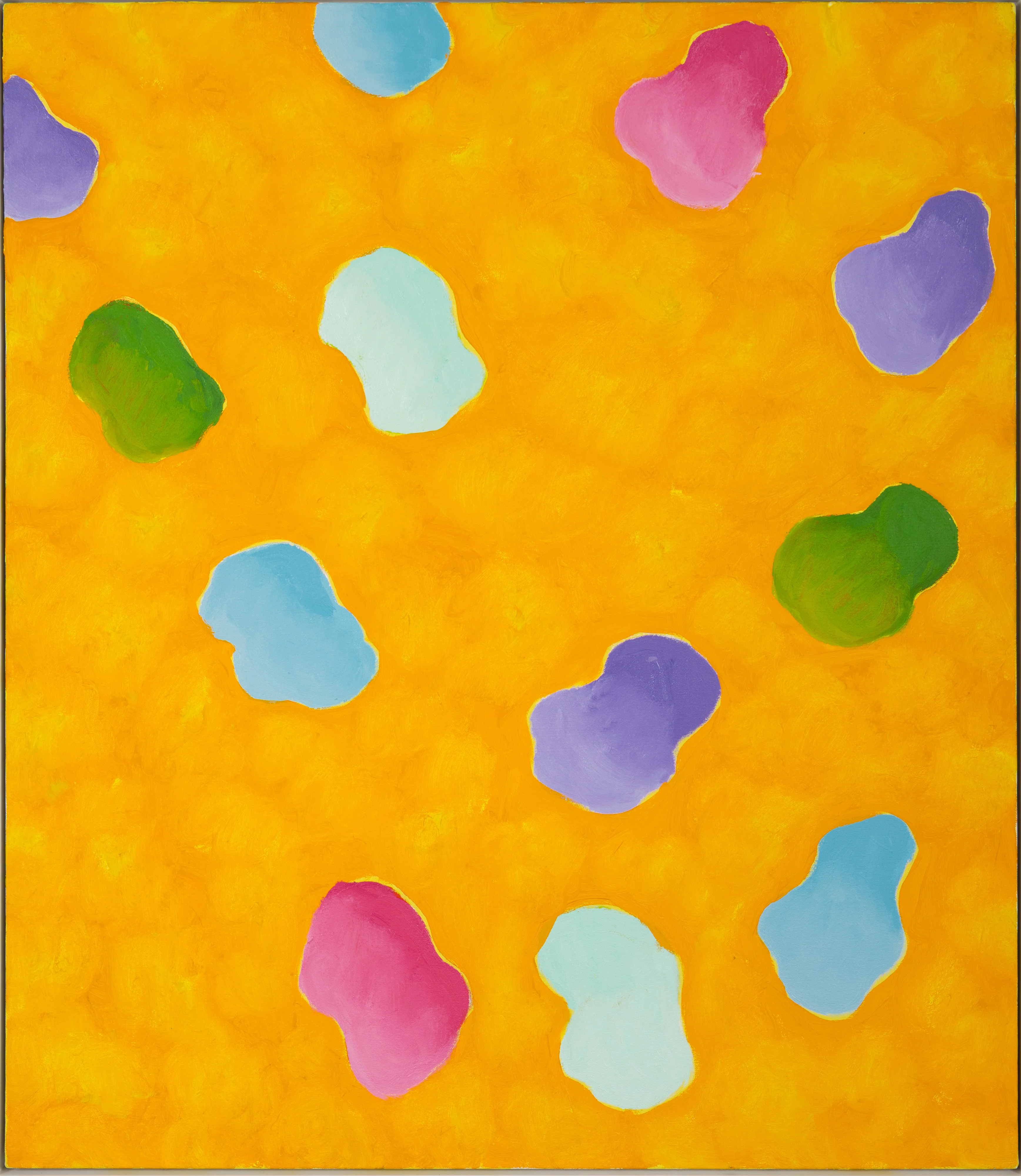
This acrylic painting is a perfect example of Iskowitz's late style. Painted circa 1987, it demonstrates how Iskowitz expanded his palette during his final decade. He embraced colors that had an almost childlike intensity and joy. Instead of referencing nature, such as cloudy whites, tomato reds and ocean blues, here Iskowitz embraces hyper pastels that invoke creativity and candy.
It is also worth mentioning Iskowitz's commitment to supporting future generations of Canadian artists. After his blockbuster retrospective at the AGO in 1982, Iskowitz established an eponymous foundation that would give out an annual grant to a contemporary artist. Click here to learn about the Gershon Iskowitz Prize.
Additional images available on request.
Questions about this piece? Contact us or call +1.416.704.1720
"Untitled" (Marigold Joy)
Canada, circa 1987
Oil on canvas
Gershon Iskowitz Foundation stamp and inscribed "B252" along with AGO label
37.75"H 32.75"W (canvas)
39"H 34"W (framed)
Very good condition.
Provenance: Gershon Iskowitz Foundation
Literature: Ihor Holubizky, Gershon Iskowitz: Life & Work, Art Canada Institute, 2019, reproduced page 54 and 143
Note: price is $21,500 CAD
Original: $21,500.00
-70%$21,500.00
$6,450.00More Images
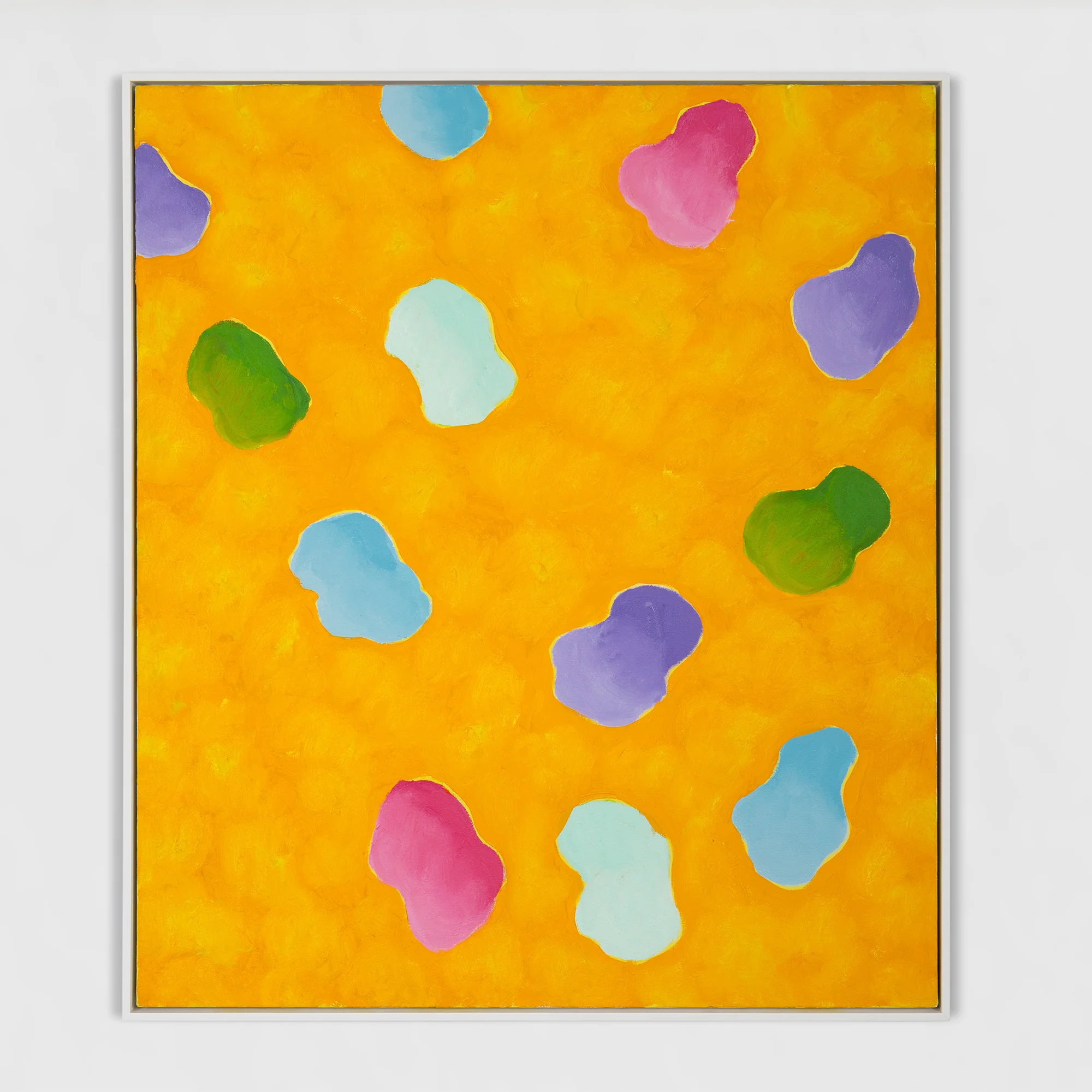
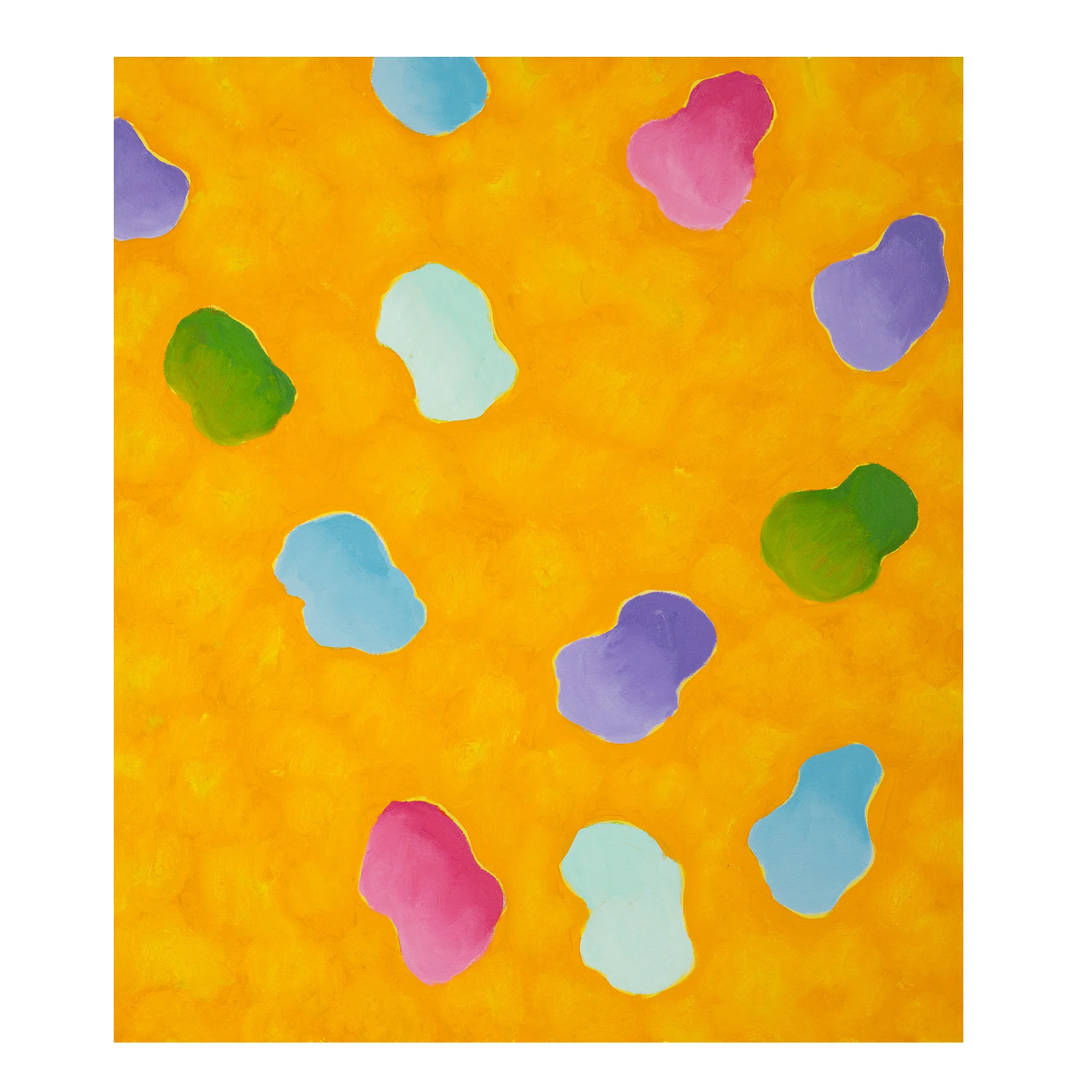
GERSHON ISKOWITZ "MARIGOLD JOY" 1987
It is hard to reconcile Gershon Iskowitz's (1921-1988) aesthetic with his personal history.
Born to a religious family in Poland, Iskowitz was allowed to leave Yeshiva (Jewish religious studies) in order to study art independently; and later, briefly at the Academy of Fine Arts in Warsaw. The outbreak of war forced him to return to his hometown where he was conscripted to forced labor after his arrival. In 1944 Iskowitz was transferred to Buchenwald, one of the first and most notorious Nazi concentration camps.
Upon liberation Iskowitz spent nearly 9 months in hospital recuperating. Amazingly he would study for six months at the Academy of Fine Art in Munich with Oskar Kokoschka.
Iskowitz would eventually immigrate to Canada. For most of the 1950's he incorporated representation into his art. By the early 1960's he had established a modest local reputation as an artist and joined the Gallery Moos stable in 1964.
Iskowitz's survived the darkest side of humanity and built a life dedicated to creating beautiful art.
The legend goes that in 1967 thanks to a Canadian Council grant, Iskowitz took a helicopter tour of the north. The experience of seeing the massive expanse of trees from above inspired a major redirection of his aesthetic and approach.
This acrylic painting is a perfect example of Iskowitz's late style. Painted circa 1987, it demonstrates how Iskowitz expanded his palette during his final decade. He embraced colors that had an almost childlike intensity and joy. Instead of referencing nature, such as cloudy whites, tomato reds and ocean blues, here Iskowitz embraces hyper pastels that invoke creativity and candy.
It is also worth mentioning Iskowitz's commitment to supporting future generations of Canadian artists. After his blockbuster retrospective at the AGO in 1982, Iskowitz established an eponymous foundation that would give out an annual grant to a contemporary artist. Click here to learn about the Gershon Iskowitz Prize.
Additional images available on request.
Questions about this piece? Contact us or call +1.416.704.1720
"Untitled" (Marigold Joy)
Canada, circa 1987
Oil on canvas
Gershon Iskowitz Foundation stamp and inscribed "B252" along with AGO label
37.75"H 32.75"W (canvas)
39"H 34"W (framed)
Very good condition.
Provenance: Gershon Iskowitz Foundation
Literature: Ihor Holubizky, Gershon Iskowitz: Life & Work, Art Canada Institute, 2019, reproduced page 54 and 143
Note: price is $21,500 CAD
Product Information
Product Information
Shipping & Returns
Shipping & Returns
Description
It is hard to reconcile Gershon Iskowitz's (1921-1988) aesthetic with his personal history.
Born to a religious family in Poland, Iskowitz was allowed to leave Yeshiva (Jewish religious studies) in order to study art independently; and later, briefly at the Academy of Fine Arts in Warsaw. The outbreak of war forced him to return to his hometown where he was conscripted to forced labor after his arrival. In 1944 Iskowitz was transferred to Buchenwald, one of the first and most notorious Nazi concentration camps.
Upon liberation Iskowitz spent nearly 9 months in hospital recuperating. Amazingly he would study for six months at the Academy of Fine Art in Munich with Oskar Kokoschka.
Iskowitz would eventually immigrate to Canada. For most of the 1950's he incorporated representation into his art. By the early 1960's he had established a modest local reputation as an artist and joined the Gallery Moos stable in 1964.
Iskowitz's survived the darkest side of humanity and built a life dedicated to creating beautiful art.
The legend goes that in 1967 thanks to a Canadian Council grant, Iskowitz took a helicopter tour of the north. The experience of seeing the massive expanse of trees from above inspired a major redirection of his aesthetic and approach.
This acrylic painting is a perfect example of Iskowitz's late style. Painted circa 1987, it demonstrates how Iskowitz expanded his palette during his final decade. He embraced colors that had an almost childlike intensity and joy. Instead of referencing nature, such as cloudy whites, tomato reds and ocean blues, here Iskowitz embraces hyper pastels that invoke creativity and candy.
It is also worth mentioning Iskowitz's commitment to supporting future generations of Canadian artists. After his blockbuster retrospective at the AGO in 1982, Iskowitz established an eponymous foundation that would give out an annual grant to a contemporary artist. Click here to learn about the Gershon Iskowitz Prize.
Additional images available on request.
Questions about this piece? Contact us or call +1.416.704.1720
"Untitled" (Marigold Joy)
Canada, circa 1987
Oil on canvas
Gershon Iskowitz Foundation stamp and inscribed "B252" along with AGO label
37.75"H 32.75"W (canvas)
39"H 34"W (framed)
Very good condition.
Provenance: Gershon Iskowitz Foundation
Literature: Ihor Holubizky, Gershon Iskowitz: Life & Work, Art Canada Institute, 2019, reproduced page 54 and 143
Note: price is $21,500 CAD