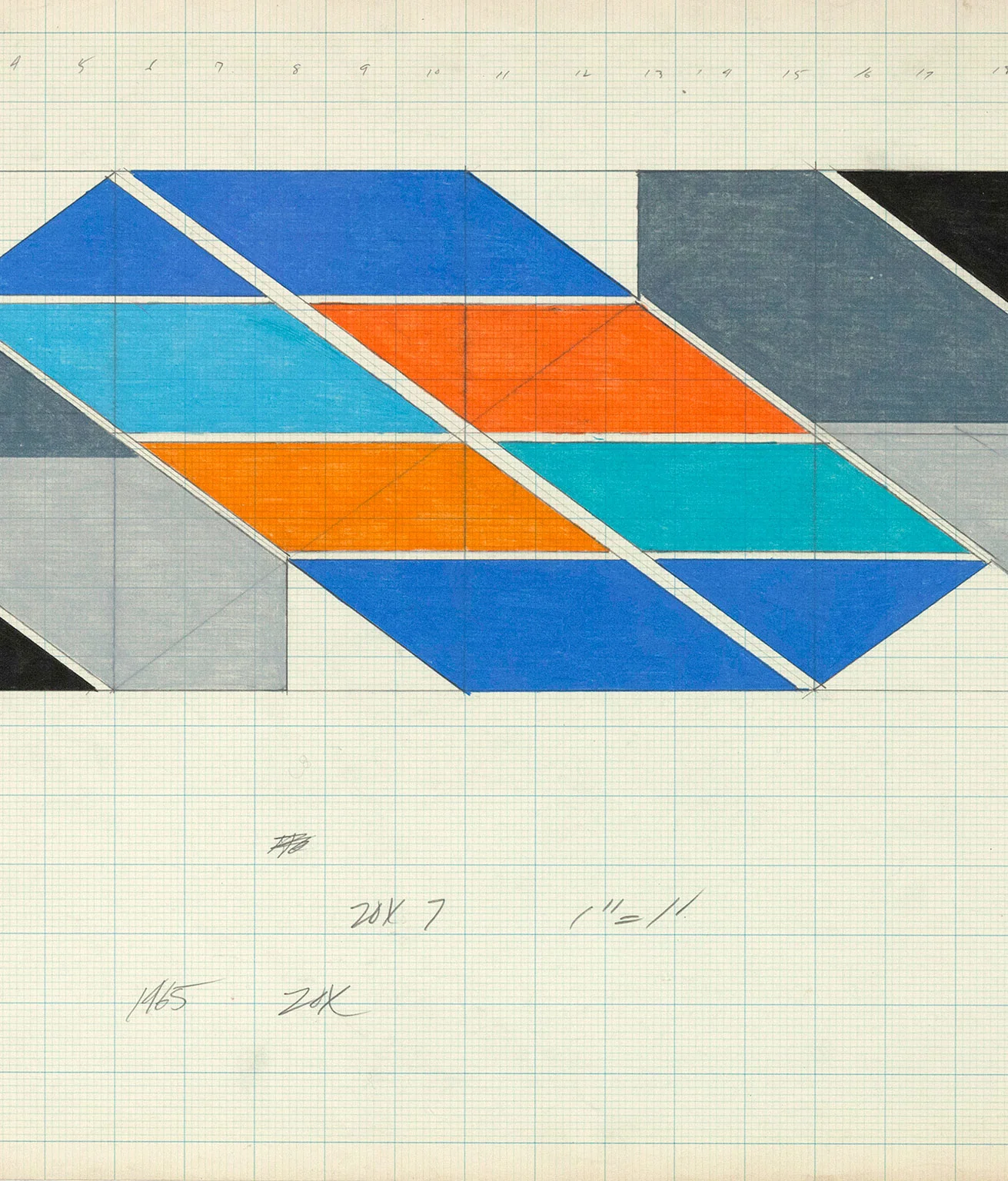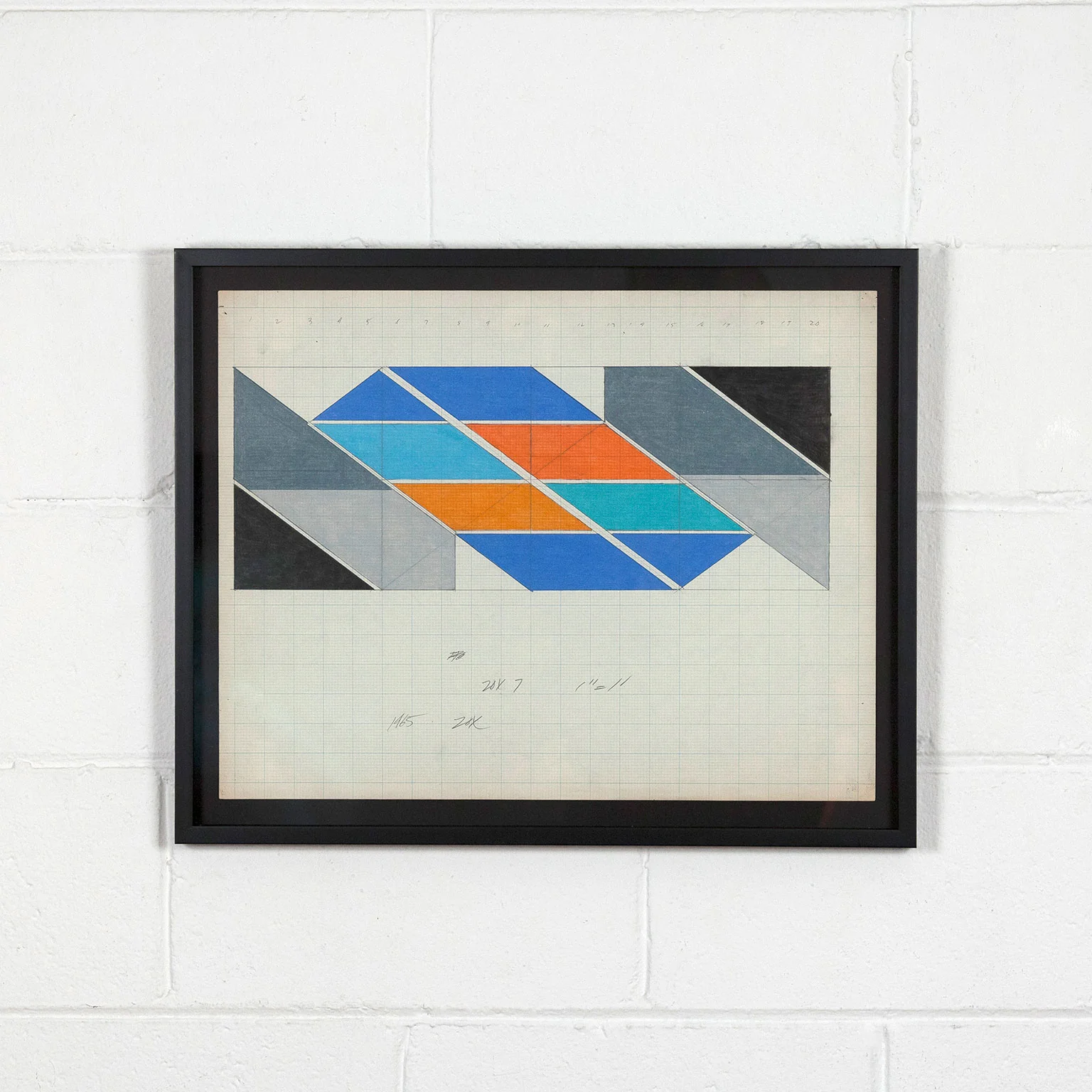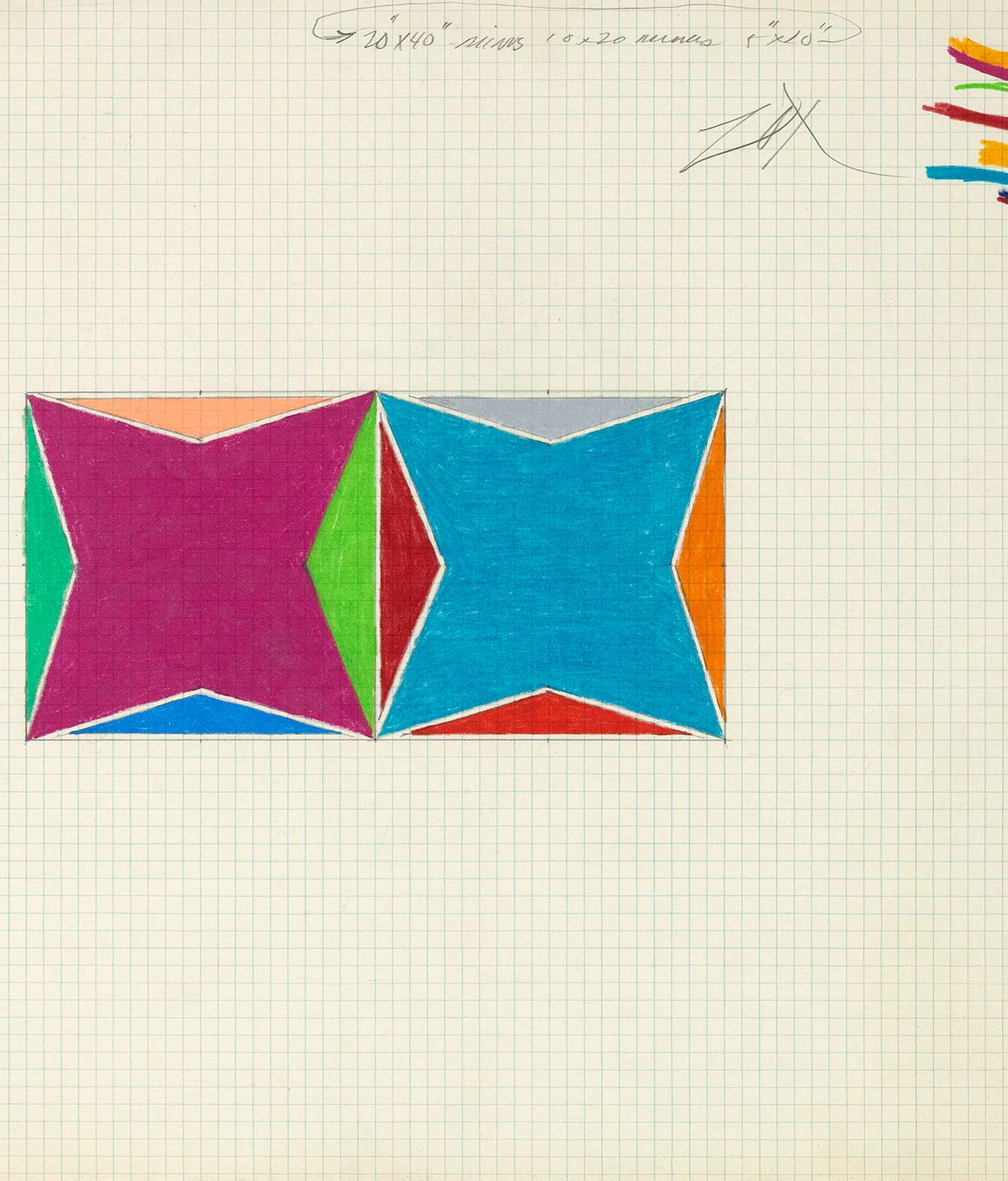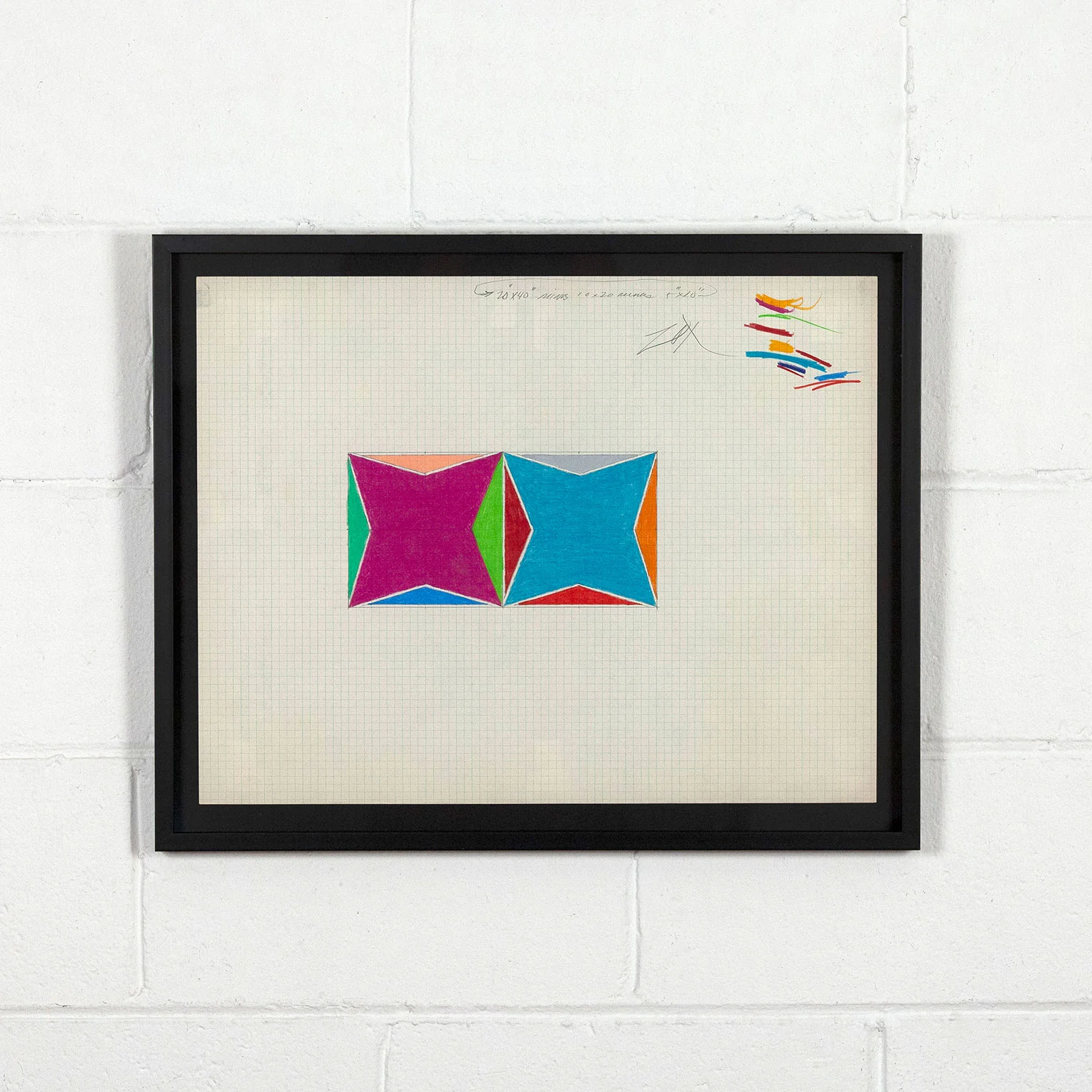
JULES OLITSKI “FACER” 1968
Jules Olitski (1922-2007) is one of the most collected and accomplished artists associated with the Color field movement and 20th century American abstraction.
He is also possibly one of the most "demanding" abstract artists. His works invite you to lose yourself in their color, to consider how it is created and contained on the picture plane. He wants the viewer to think about the conventions and strategies used by his active contemporaries and predecessors in abstraction.
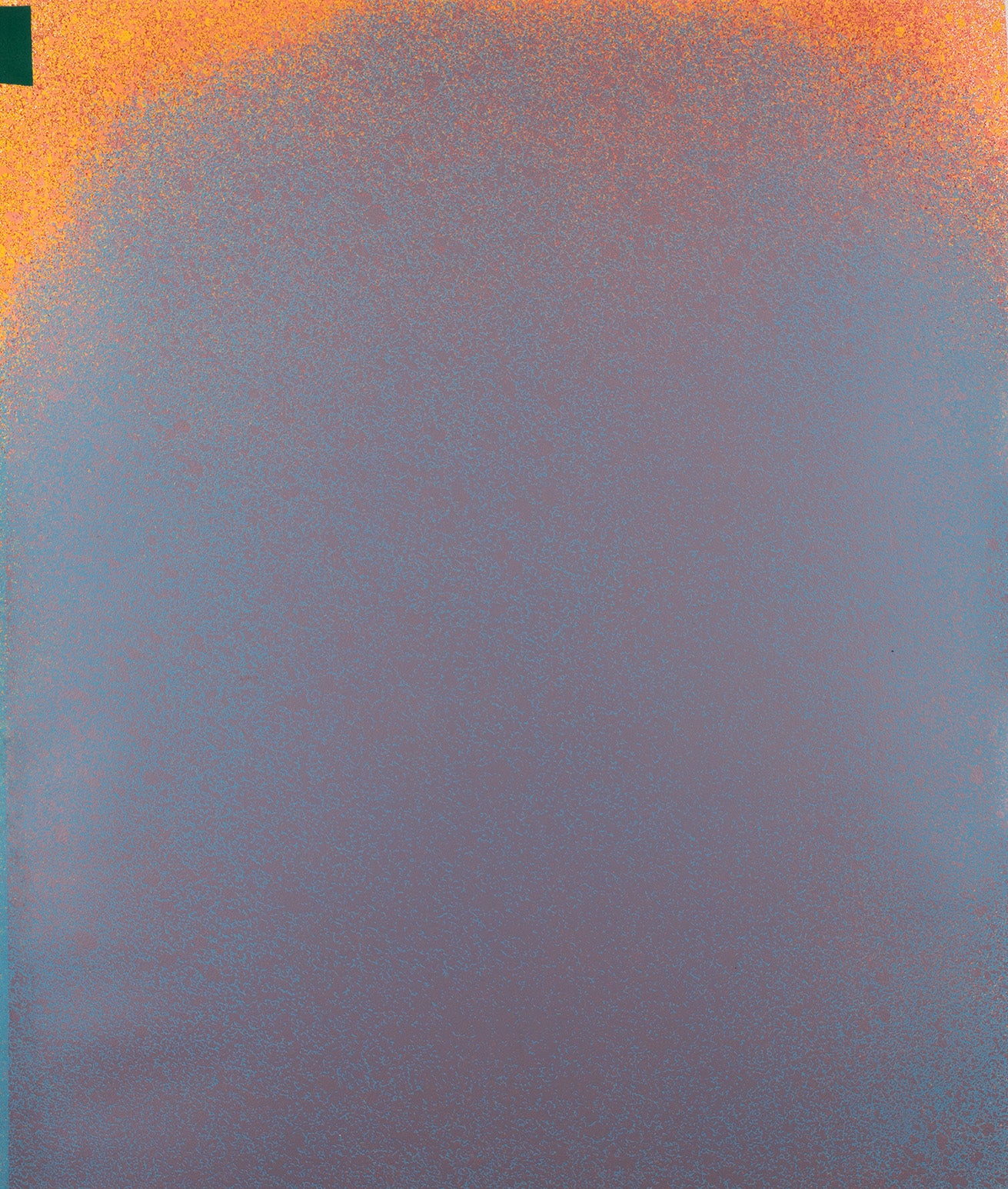
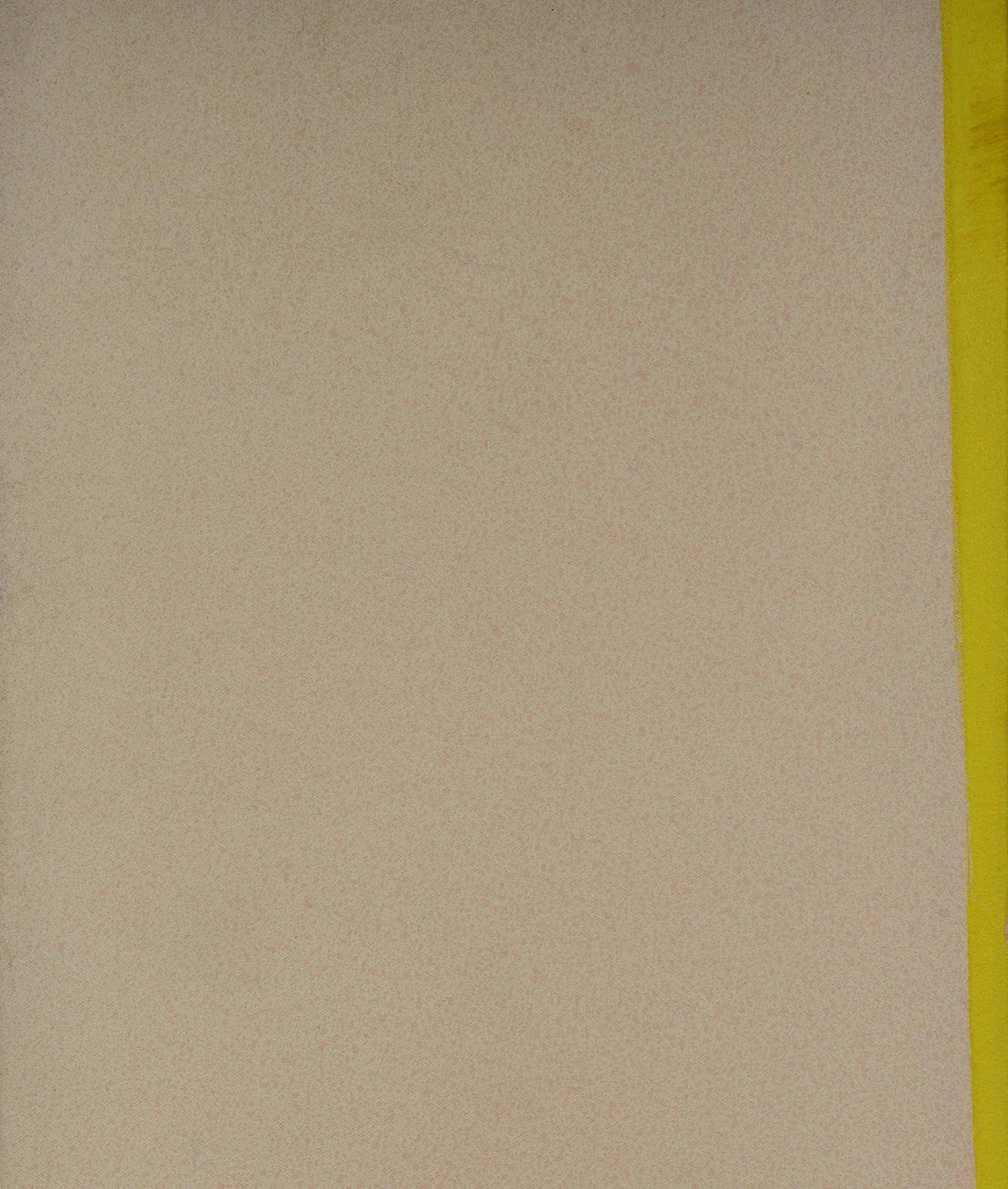
Throughout his lengthy career, Olitski experimented with many techniques, building a body of work that was dynamic and ever-changing. One of his most radical reinventions occurred in the mid-1960s, with his adoption of industrial sprays. This spray technique produced droplets of color that float like a mist or sit like dew on the canvas.
During this period leading American abstract artists were staining their canvases or taping surfaces for hard-edge compositions. Olitski's novel process was an evolution or abandonment of this approach, depending on one's perspective. These are highly innovative and nuanced works unlike anything by his contemporaries.
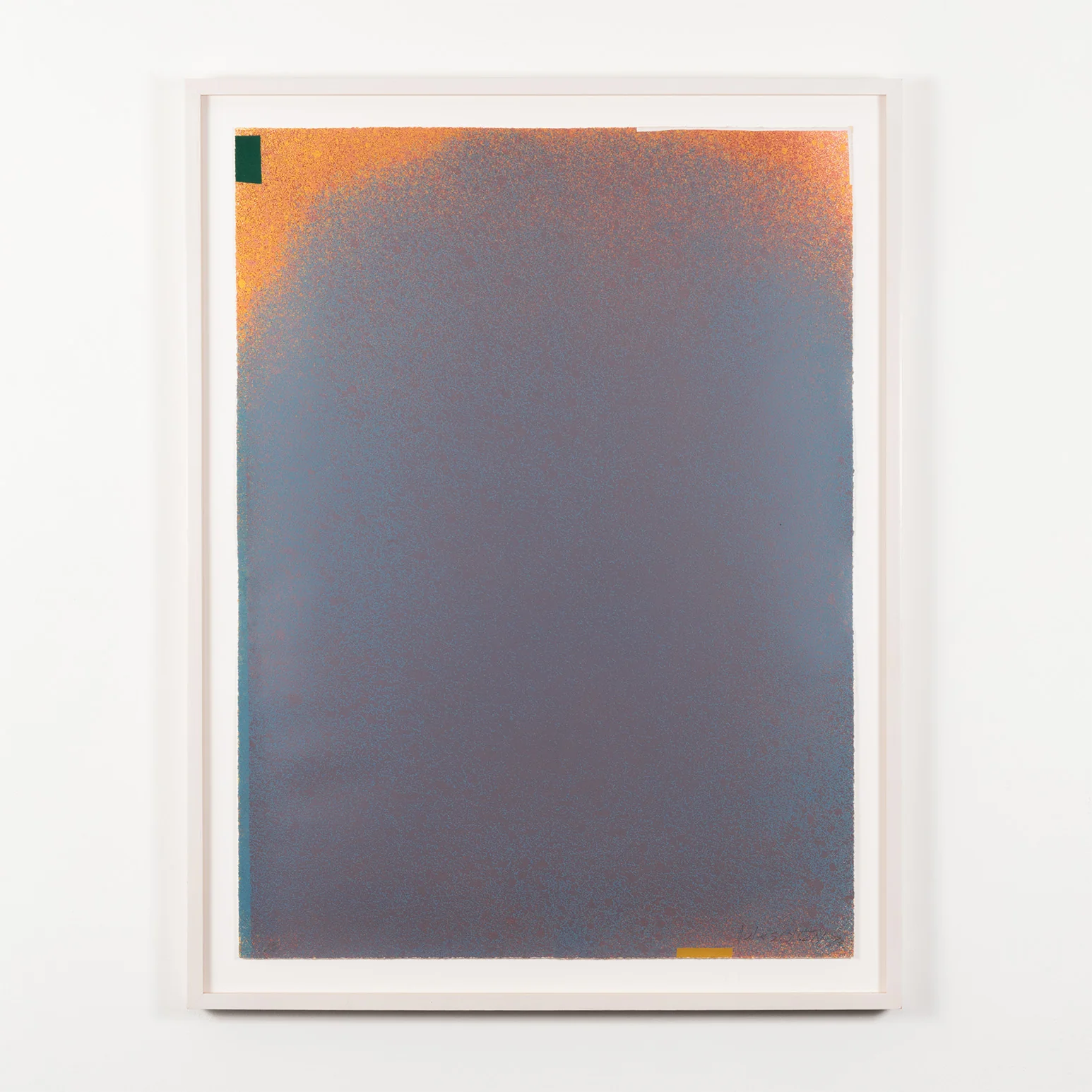
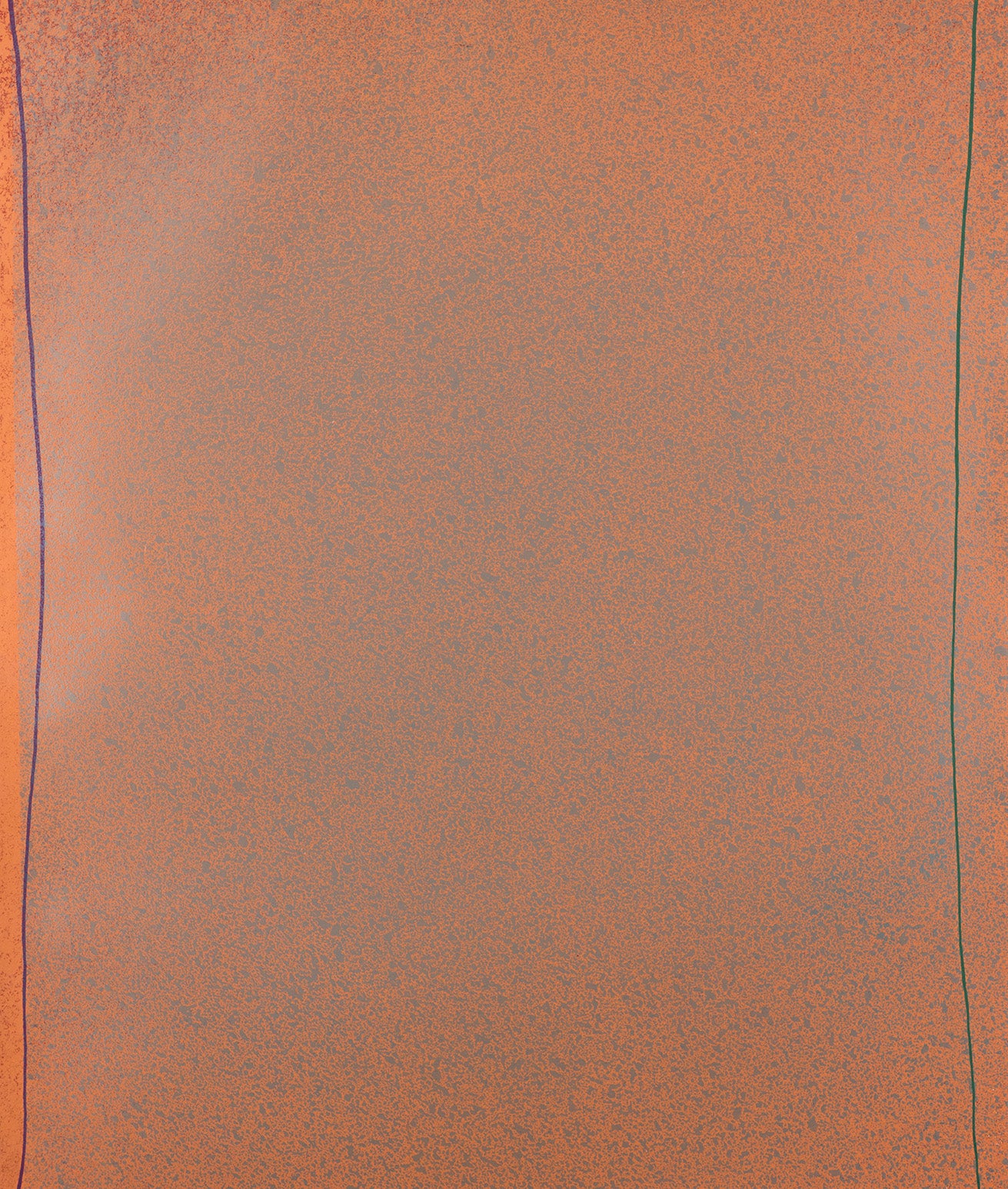
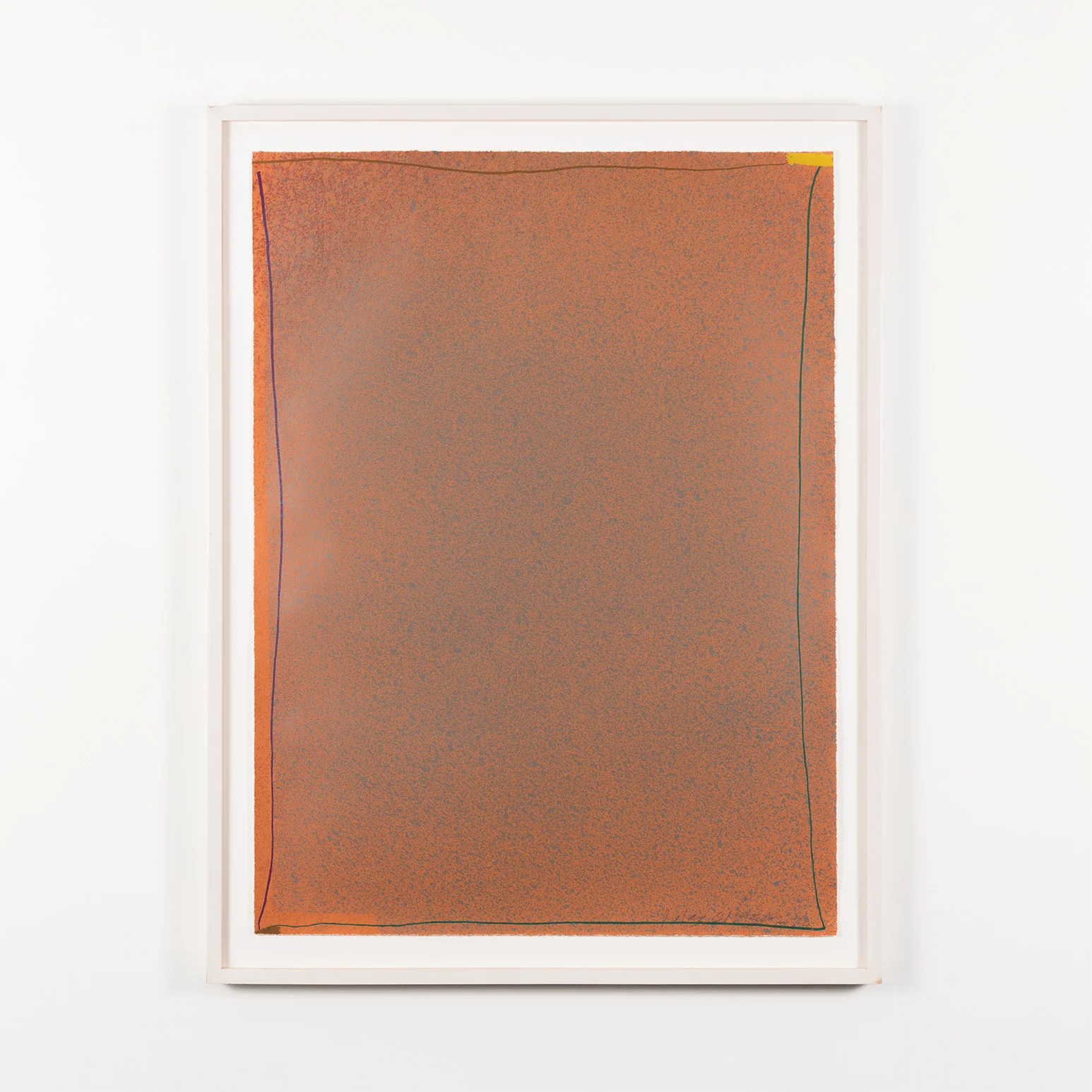
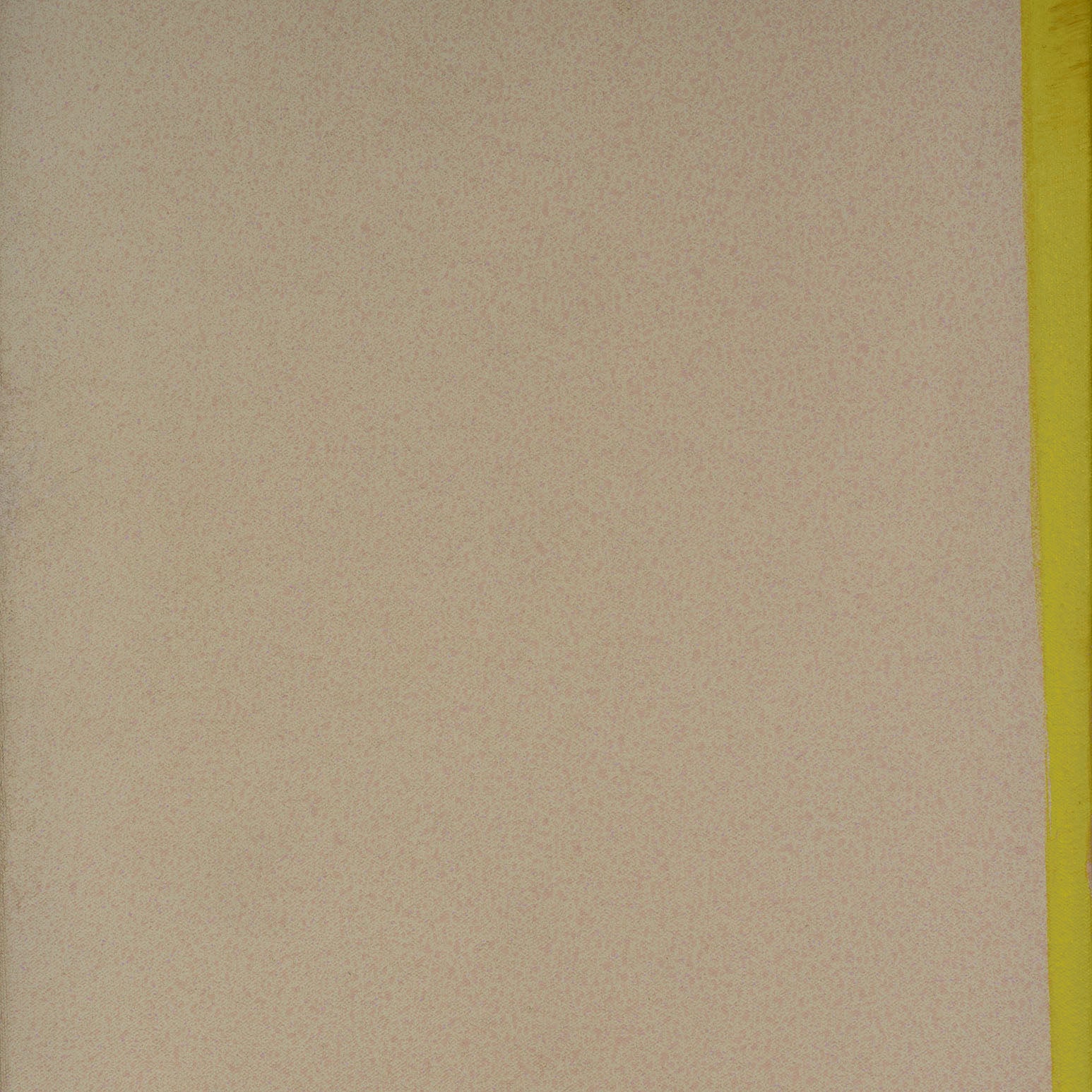
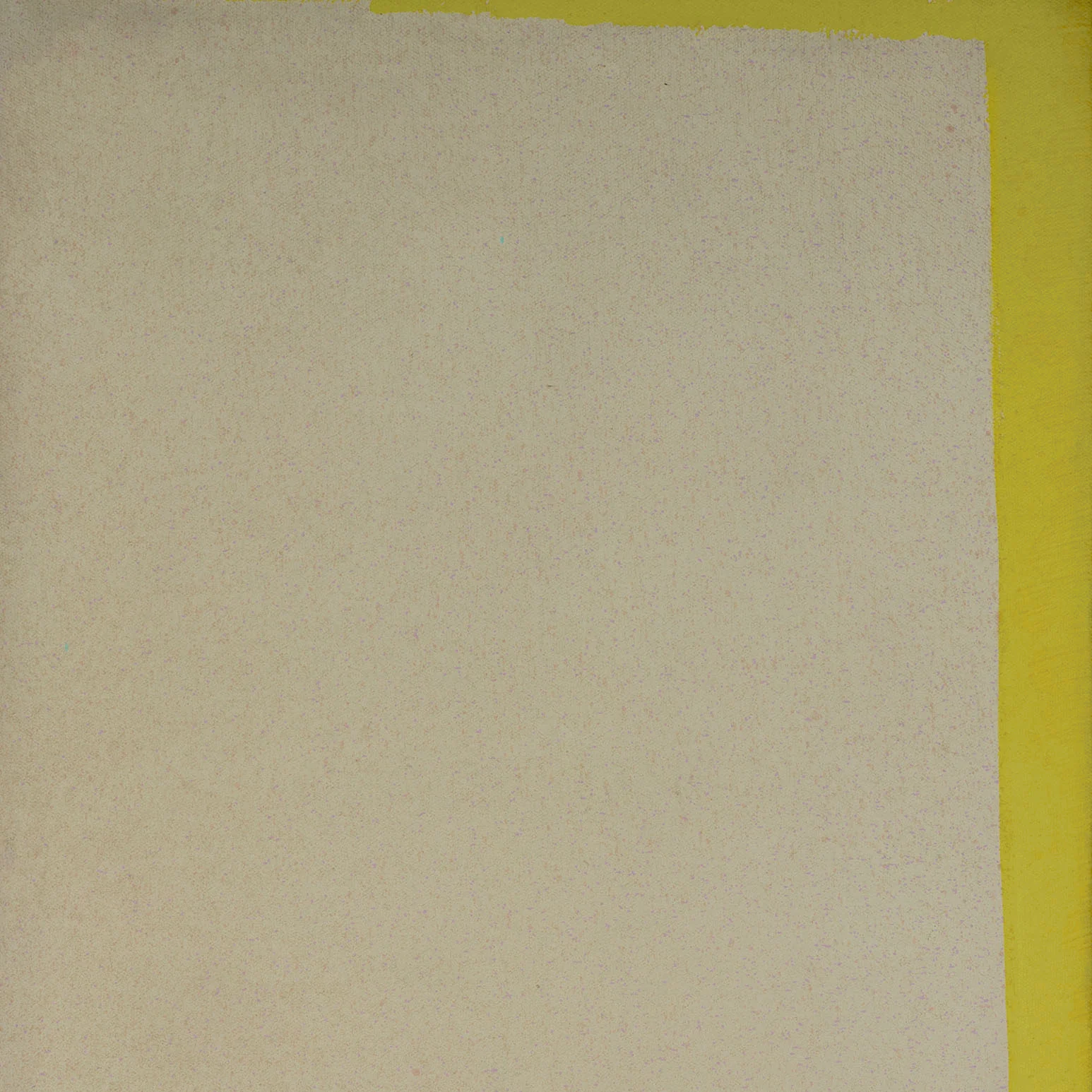
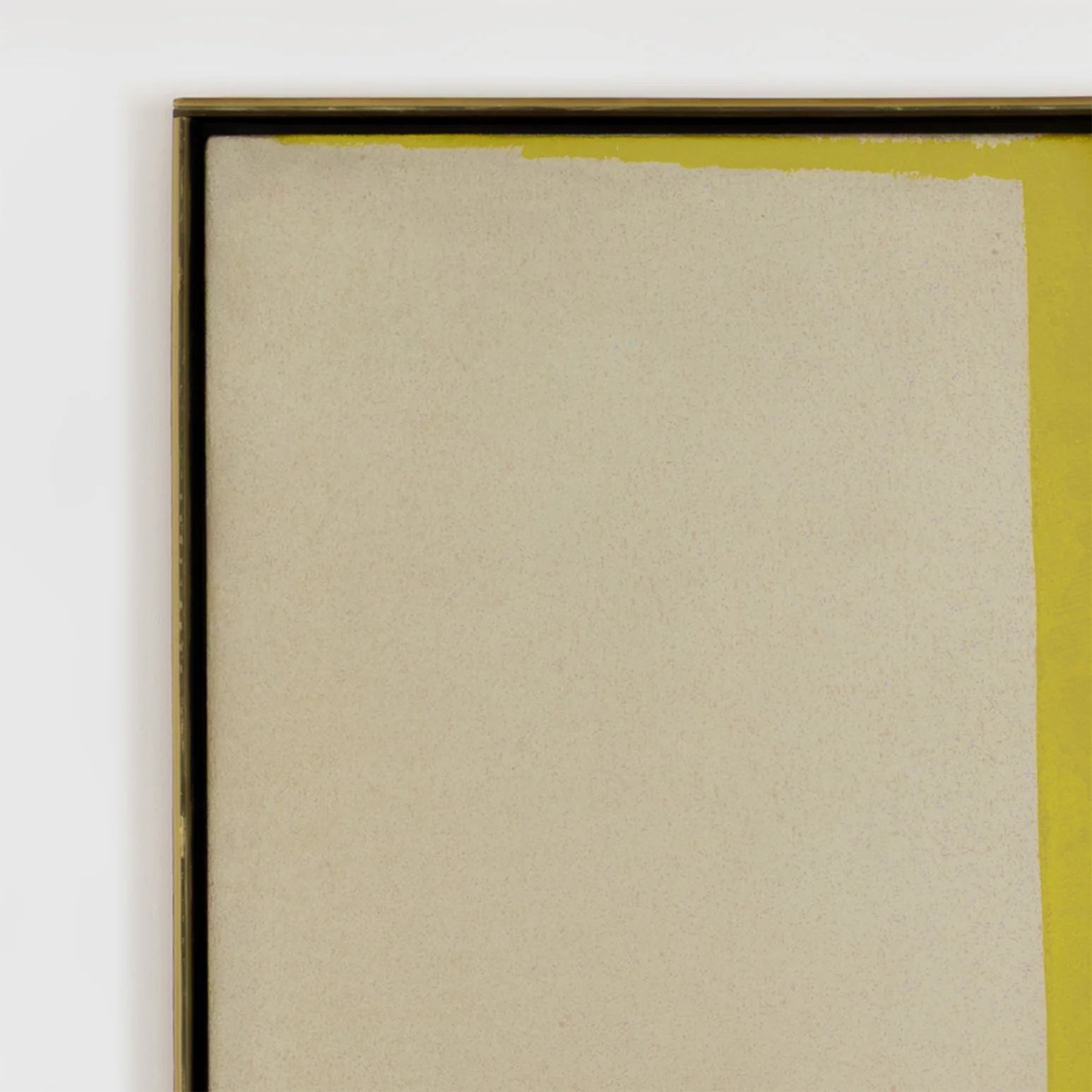
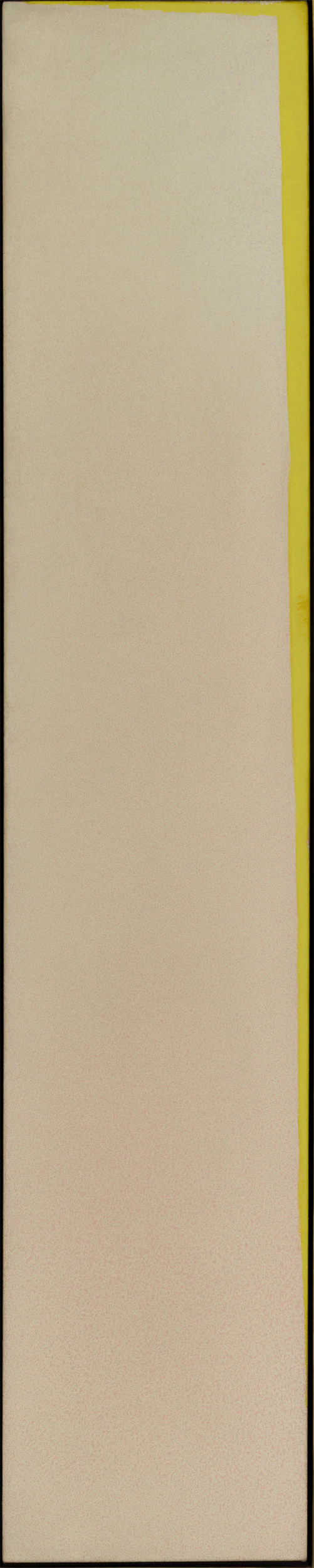
This painting is a paradigm from this remarkable era, it demonstrates his fascinating technique and expertise as a colorist. What appears first as beige is in fact delicate drops of mint and raspberry that merge in a soft gradation. This combination which creates an anti-color is punctuated by a strip of acid lime green along the canvas edge. While there is typically a blatant range of tone and density in his work, the nearly monochromatic palette disguises subtle shifts on the canvas, creating a piece that is remarkably consistent. The result is an airy, whimsical, and almost impressionistic composition.
While this painting epitomizes Olitski's work from the late 1960's it is simultaneously a harbinger of his interest in "anti-color" that dominates his work during much of the 1970's
At the time this painting was created Olitski was arguably the leading artist of the American avant-garde. In 1966 he co-represented the United States at the Venice Biennale, followed by one-man exhibitions at the Corcoran Gallery (1967) and the Metropolitan Museum (1969). Olitski canvases from this era rarely come to market.
Questions about this piece? Contact us, call +1.416.704.1720, or visit our Toronto gallery.
"Facer"
USA, 1968
Acrylic on canvas
Signed, titled, and dated by artist verso
70.25"H 14.5"W (work)
71"H 15"W (framed)
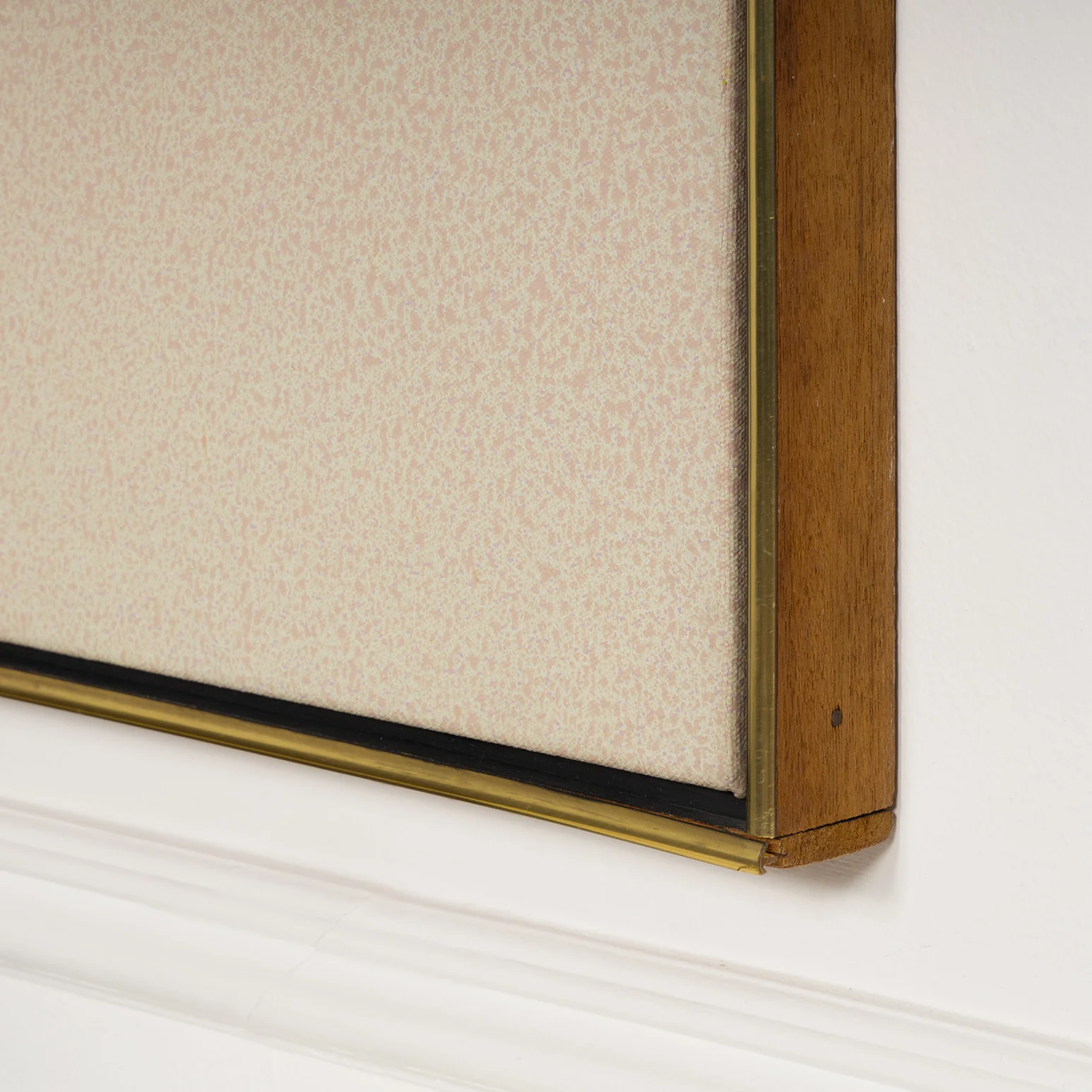
Original period frame
Very good condition
Provenance:
Andre Emmerich Gallery, New York
Original: $49,500.00
-70%$49,500.00
$14,850.00More Images


JULES OLITSKI “FACER” 1968
Jules Olitski (1922-2007) is one of the most collected and accomplished artists associated with the Color field movement and 20th century American abstraction.
He is also possibly one of the most "demanding" abstract artists. His works invite you to lose yourself in their color, to consider how it is created and contained on the picture plane. He wants the viewer to think about the conventions and strategies used by his active contemporaries and predecessors in abstraction.
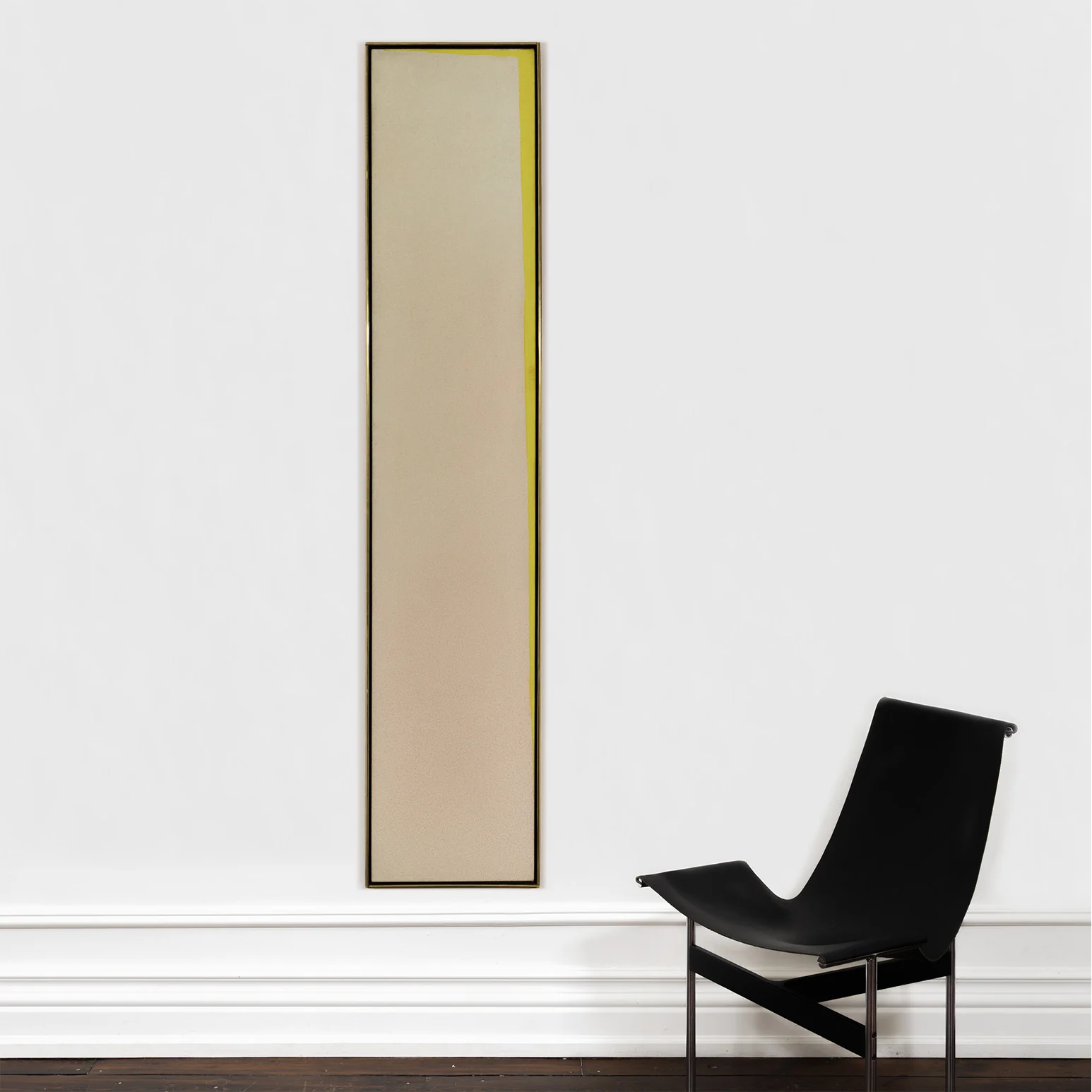
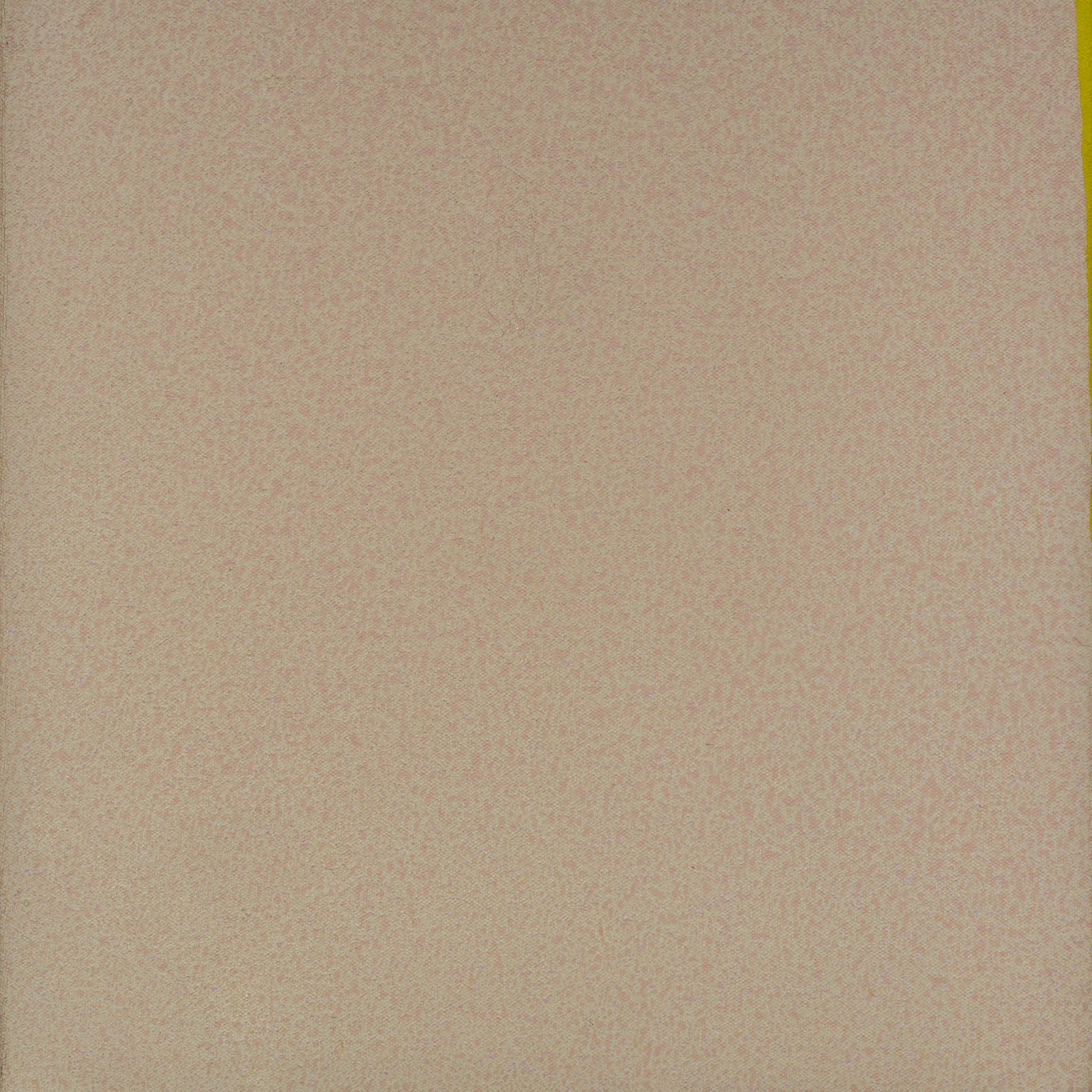
Throughout his lengthy career, Olitski experimented with many techniques, building a body of work that was dynamic and ever-changing. One of his most radical reinventions occurred in the mid-1960s, with his adoption of industrial sprays. This spray technique produced droplets of color that float like a mist or sit like dew on the canvas.
During this period leading American abstract artists were staining their canvases or taping surfaces for hard-edge compositions. Olitski's novel process was an evolution or abandonment of this approach, depending on one's perspective. These are highly innovative and nuanced works unlike anything by his contemporaries.
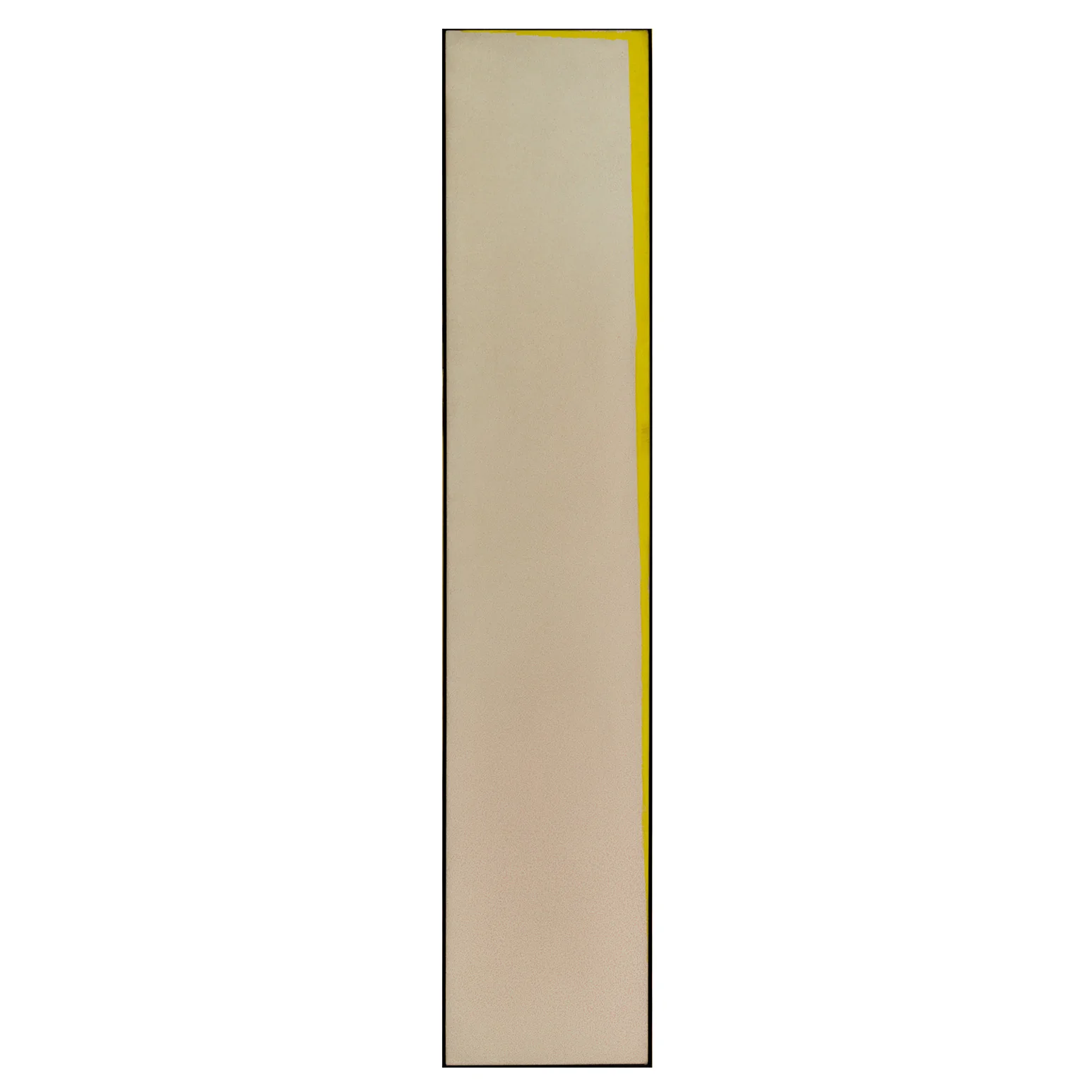
This painting is a paradigm from this remarkable era, it demonstrates his fascinating technique and expertise as a colorist. What appears first as beige is in fact delicate drops of mint and raspberry that merge in a soft gradation. This combination which creates an anti-color is punctuated by a strip of acid lime green along the canvas edge. While there is typically a blatant range of tone and density in his work, the nearly monochromatic palette disguises subtle shifts on the canvas, creating a piece that is remarkably consistent. The result is an airy, whimsical, and almost impressionistic composition.
While this painting epitomizes Olitski's work from the late 1960's it is simultaneously a harbinger of his interest in "anti-color" that dominates his work during much of the 1970's
At the time this painting was created Olitski was arguably the leading artist of the American avant-garde. In 1966 he co-represented the United States at the Venice Biennale, followed by one-man exhibitions at the Corcoran Gallery (1967) and the Metropolitan Museum (1969). Olitski canvases from this era rarely come to market.
Questions about this piece? Contact us, call +1.416.704.1720, or visit our Toronto gallery.
"Facer"
USA, 1968
Acrylic on canvas
Signed, titled, and dated by artist verso
70.25"H 14.5"W (work)
71"H 15"W (framed)
Original period frame
Very good condition
Provenance:
Andre Emmerich Gallery, New York
Product Information
Product Information
Shipping & Returns
Shipping & Returns
Description
Jules Olitski (1922-2007) is one of the most collected and accomplished artists associated with the Color field movement and 20th century American abstraction.
He is also possibly one of the most "demanding" abstract artists. His works invite you to lose yourself in their color, to consider how it is created and contained on the picture plane. He wants the viewer to think about the conventions and strategies used by his active contemporaries and predecessors in abstraction.
Throughout his lengthy career, Olitski experimented with many techniques, building a body of work that was dynamic and ever-changing. One of his most radical reinventions occurred in the mid-1960s, with his adoption of industrial sprays. This spray technique produced droplets of color that float like a mist or sit like dew on the canvas.
During this period leading American abstract artists were staining their canvases or taping surfaces for hard-edge compositions. Olitski's novel process was an evolution or abandonment of this approach, depending on one's perspective. These are highly innovative and nuanced works unlike anything by his contemporaries.
This painting is a paradigm from this remarkable era, it demonstrates his fascinating technique and expertise as a colorist. What appears first as beige is in fact delicate drops of mint and raspberry that merge in a soft gradation. This combination which creates an anti-color is punctuated by a strip of acid lime green along the canvas edge. While there is typically a blatant range of tone and density in his work, the nearly monochromatic palette disguises subtle shifts on the canvas, creating a piece that is remarkably consistent. The result is an airy, whimsical, and almost impressionistic composition.
While this painting epitomizes Olitski's work from the late 1960's it is simultaneously a harbinger of his interest in "anti-color" that dominates his work during much of the 1970's
At the time this painting was created Olitski was arguably the leading artist of the American avant-garde. In 1966 he co-represented the United States at the Venice Biennale, followed by one-man exhibitions at the Corcoran Gallery (1967) and the Metropolitan Museum (1969). Olitski canvases from this era rarely come to market.
Questions about this piece? Contact us, call +1.416.704.1720, or visit our Toronto gallery.
"Facer"
USA, 1968
Acrylic on canvas
Signed, titled, and dated by artist verso
70.25"H 14.5"W (work)
71"H 15"W (framed)
Original period frame
Very good condition
Provenance:
Andre Emmerich Gallery, New York