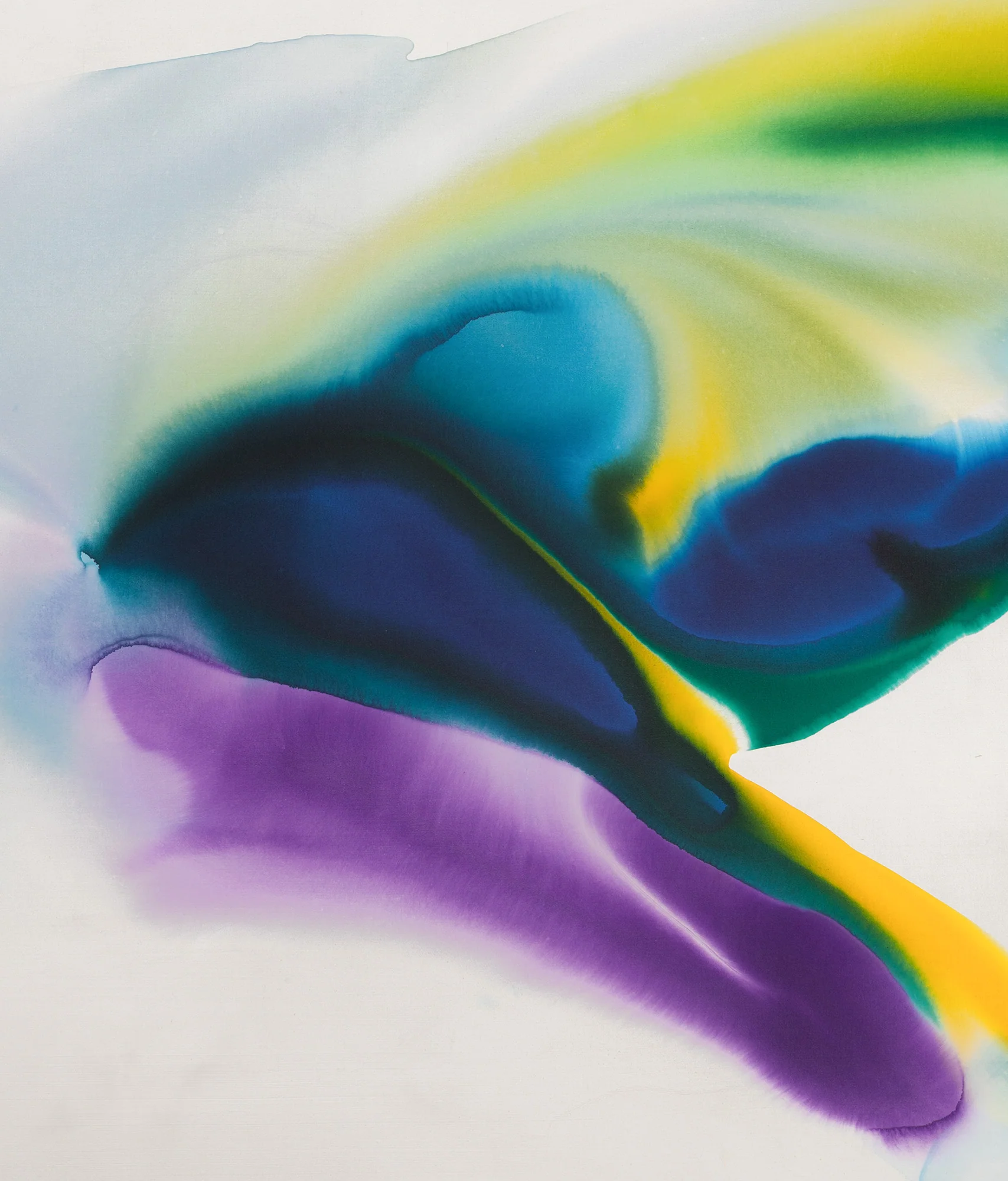
PAUL JENKINS "PHENOMENA: PREVAILING WINDS" 1966
Paul Jenkins (1923-2012) was a major American abstract painter who formally established his practice in post-war France.
Along with artists such as Sam Francis and Jack Youngerman, Jenkins worked mostly in Paris in the 1950s. As a result his work developed in tandem with, rather than following, the New York School.
Like the aforementioned artists, Jenkins came to Paris because of the now famous G.I. Bill which covered veterans' tuition and other expenses while studying. He would settle in Paris around 1953, and by 1960, he had a reputation on both sides of the Atlantic as one of the times most recognizable and commercially successful abstract artists.
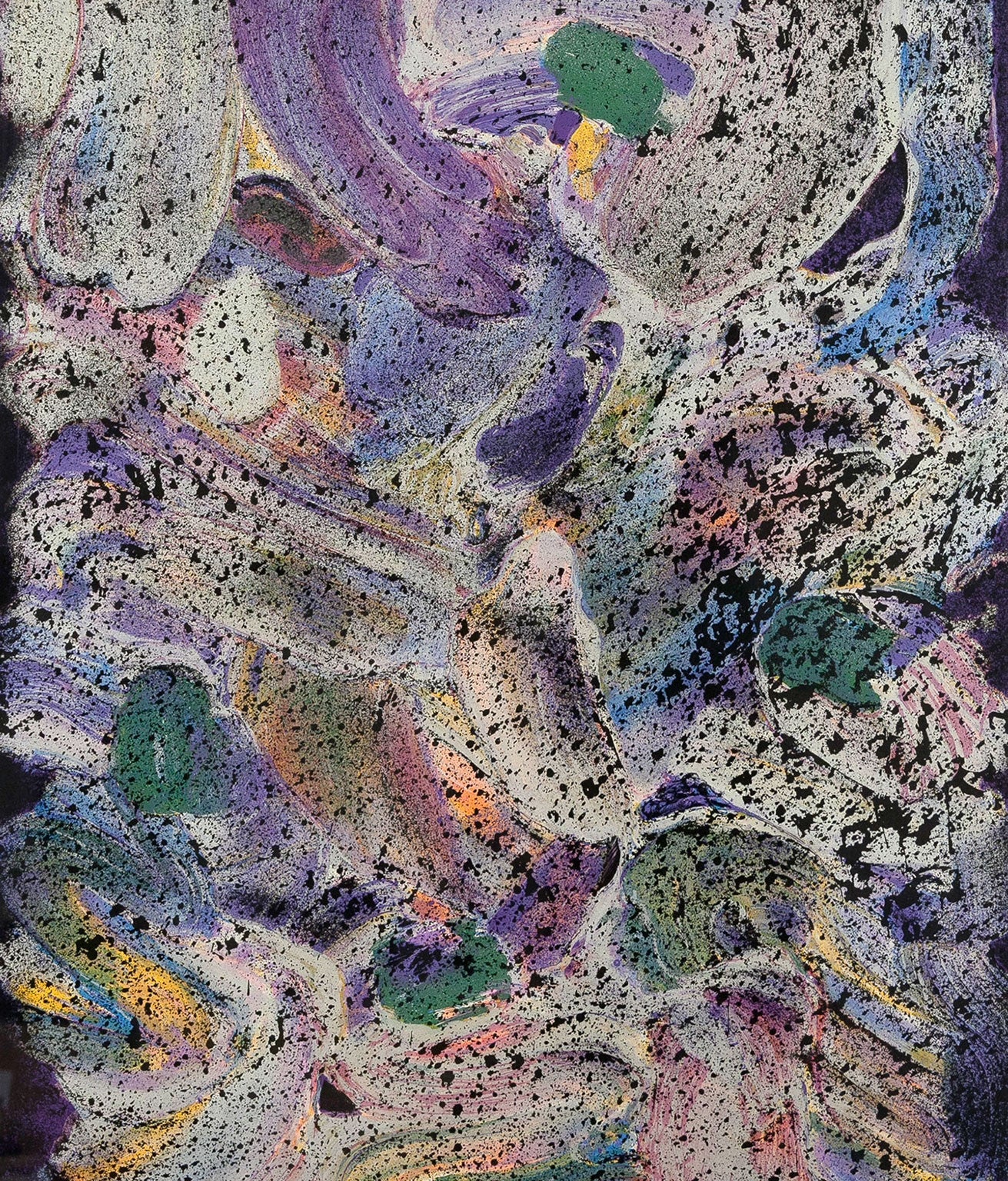
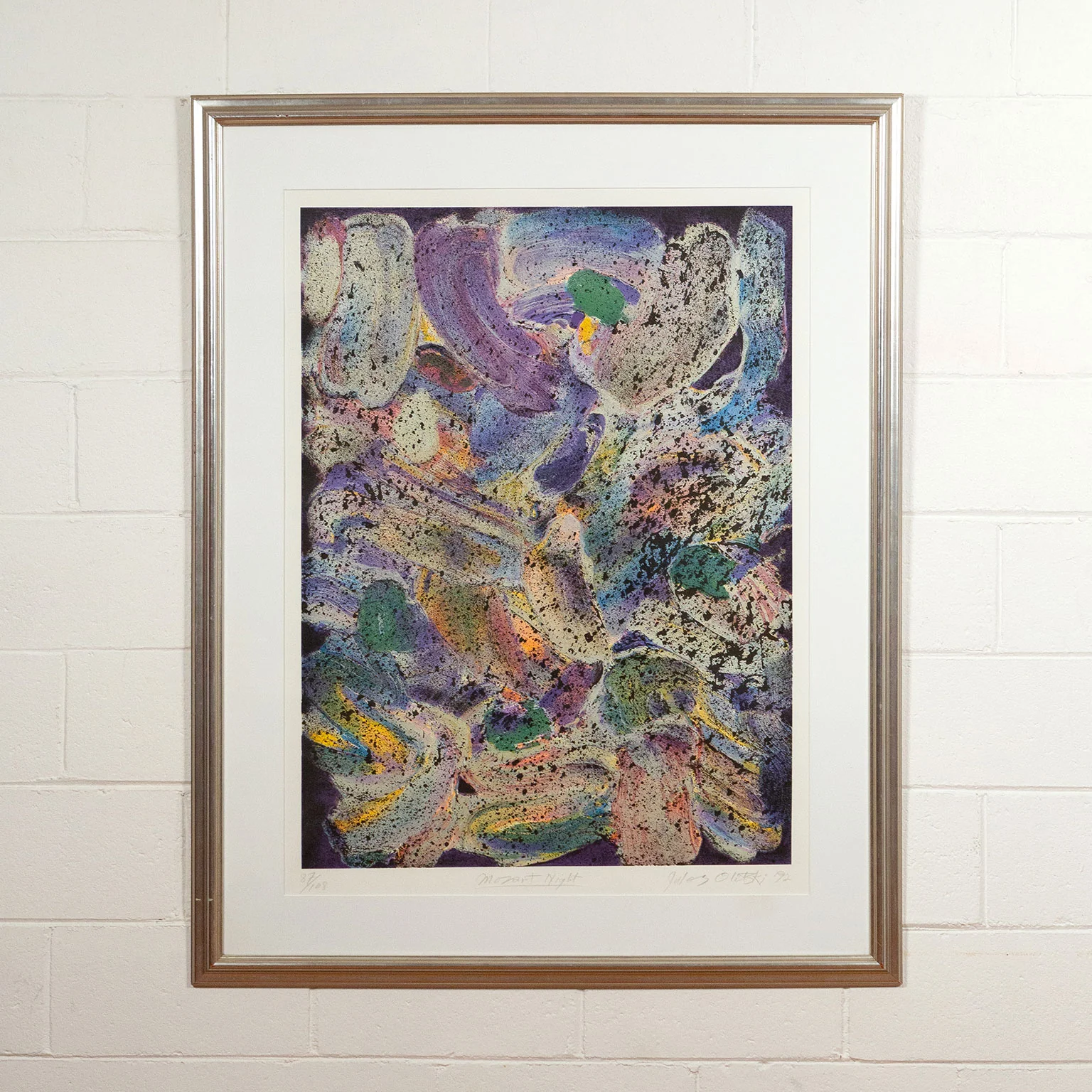
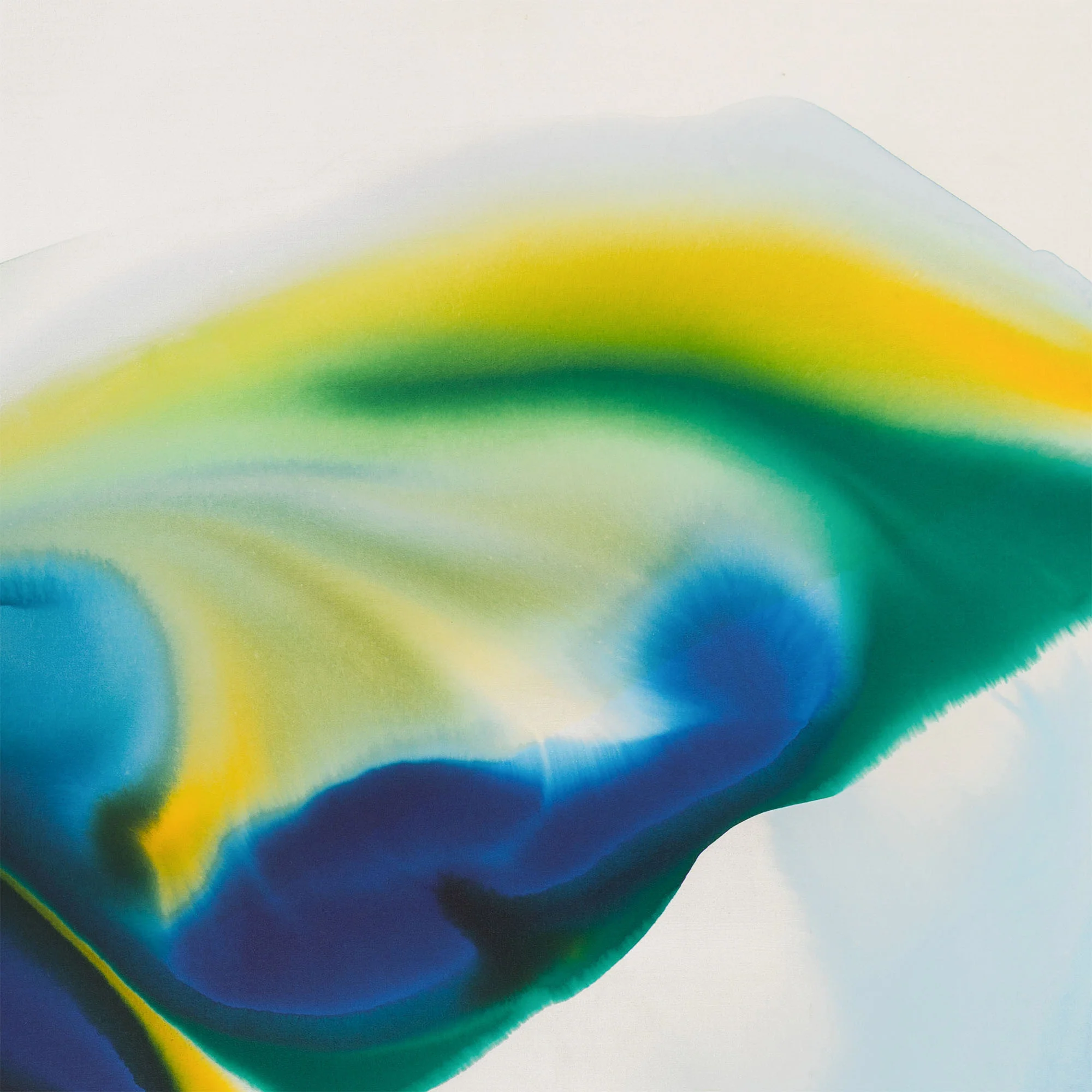
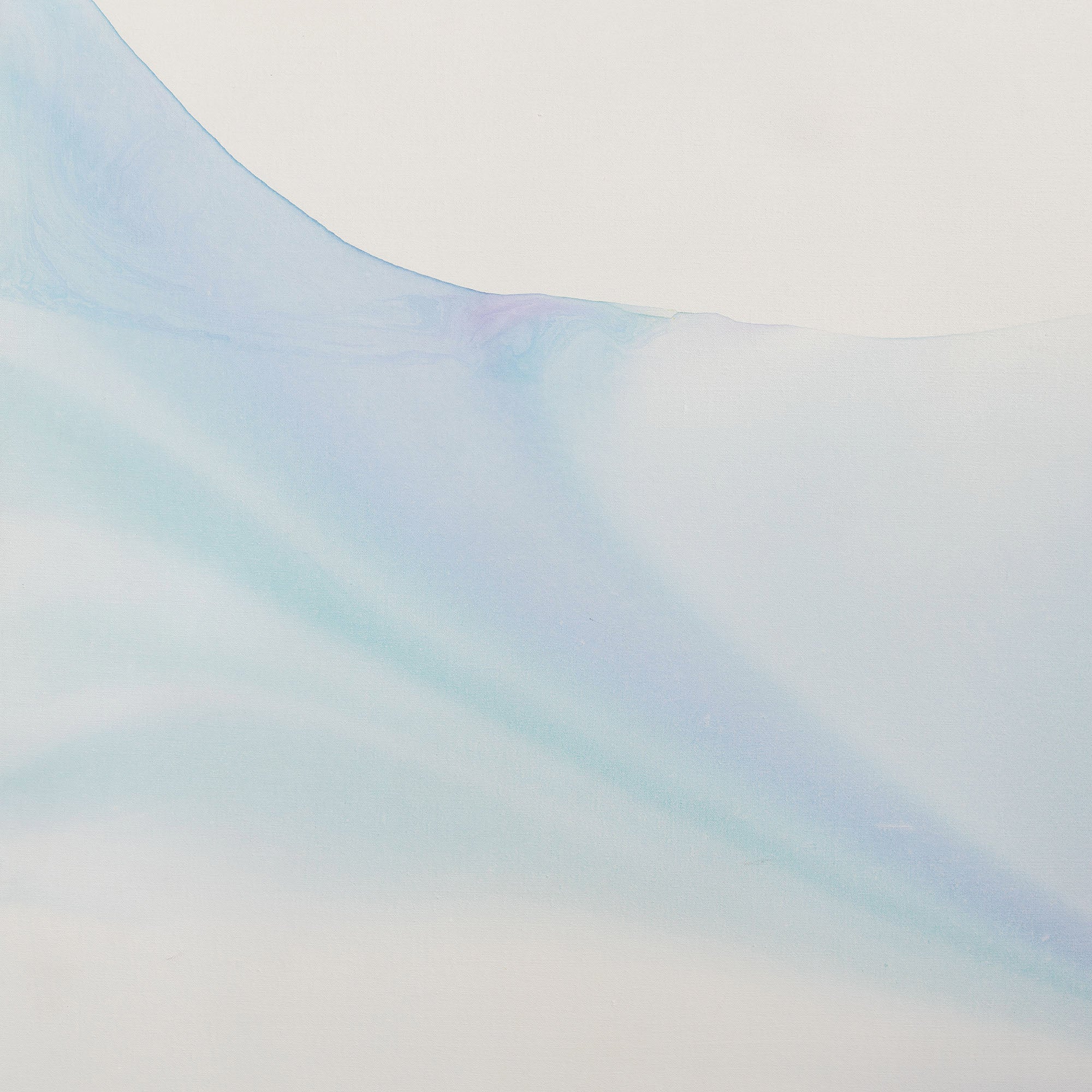
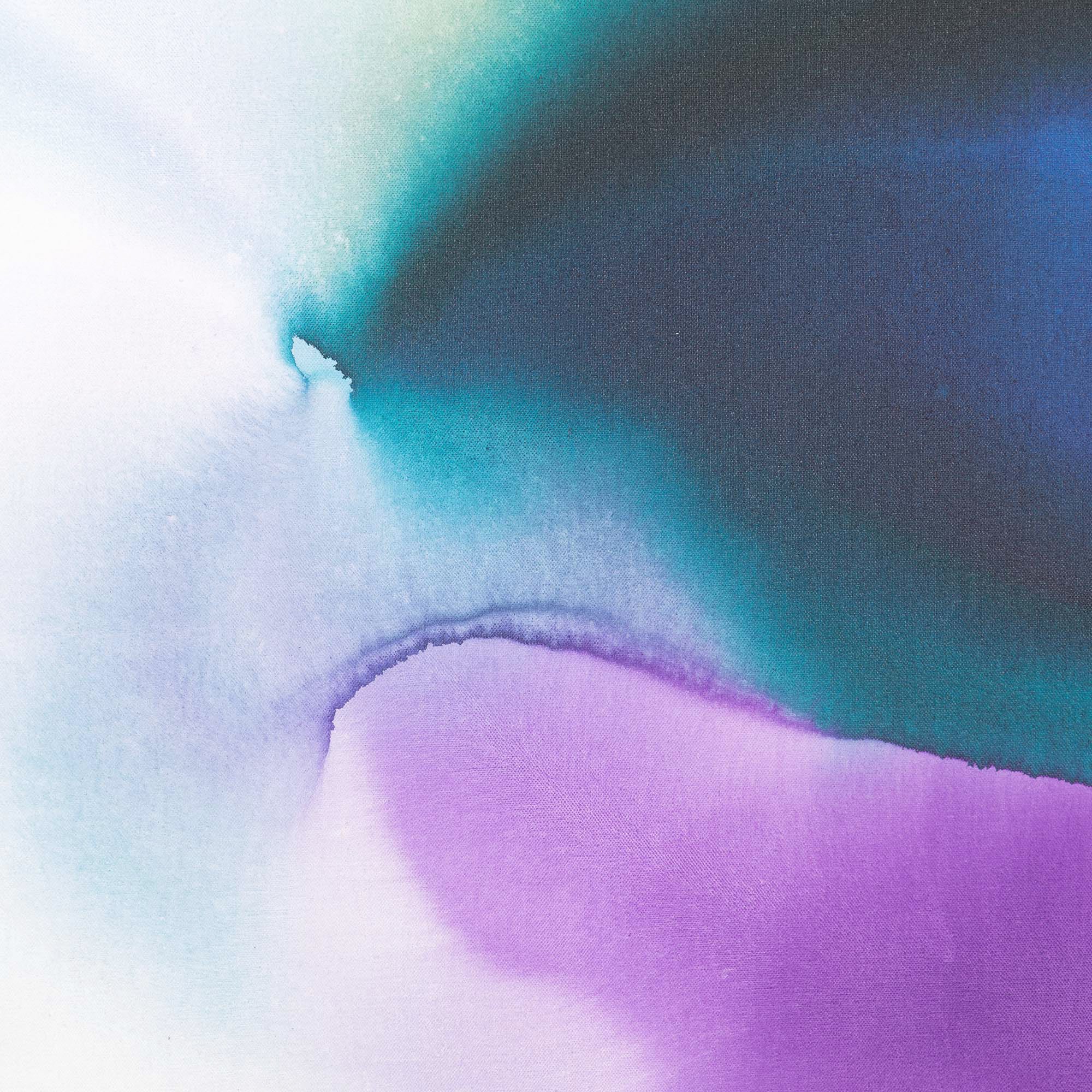
By the 1960s, Jenkins had refined his practice in to a disciplined and intuitive method. He primed his canvases with white acrylic to create a luminous base, poured his own mixed hues onto tilted surfaces, and guided the paint with a brush or blunt knife, leaving no trace of the artists hand. He worked from all angles, wiping and layering white veils to maintain translucence, and finished with a matte varnish that preserved the painting’s quiet radiance.
Jenkins’ innovative approach aligned him with the Abstract Expressionists. Known for avoiding the paintbrush, the artist poured pigment directly onto his surfaces. Though frequently compared to Helen Frankenthaler and Morris Louis, Jenkins diverged in a crucial respect: where they worked on raw canvas, he consistently primed his surfaces to preserve luminosity. He is one of the only artists of his era to continuously explore the abstract potential of watercolors (see an example here).
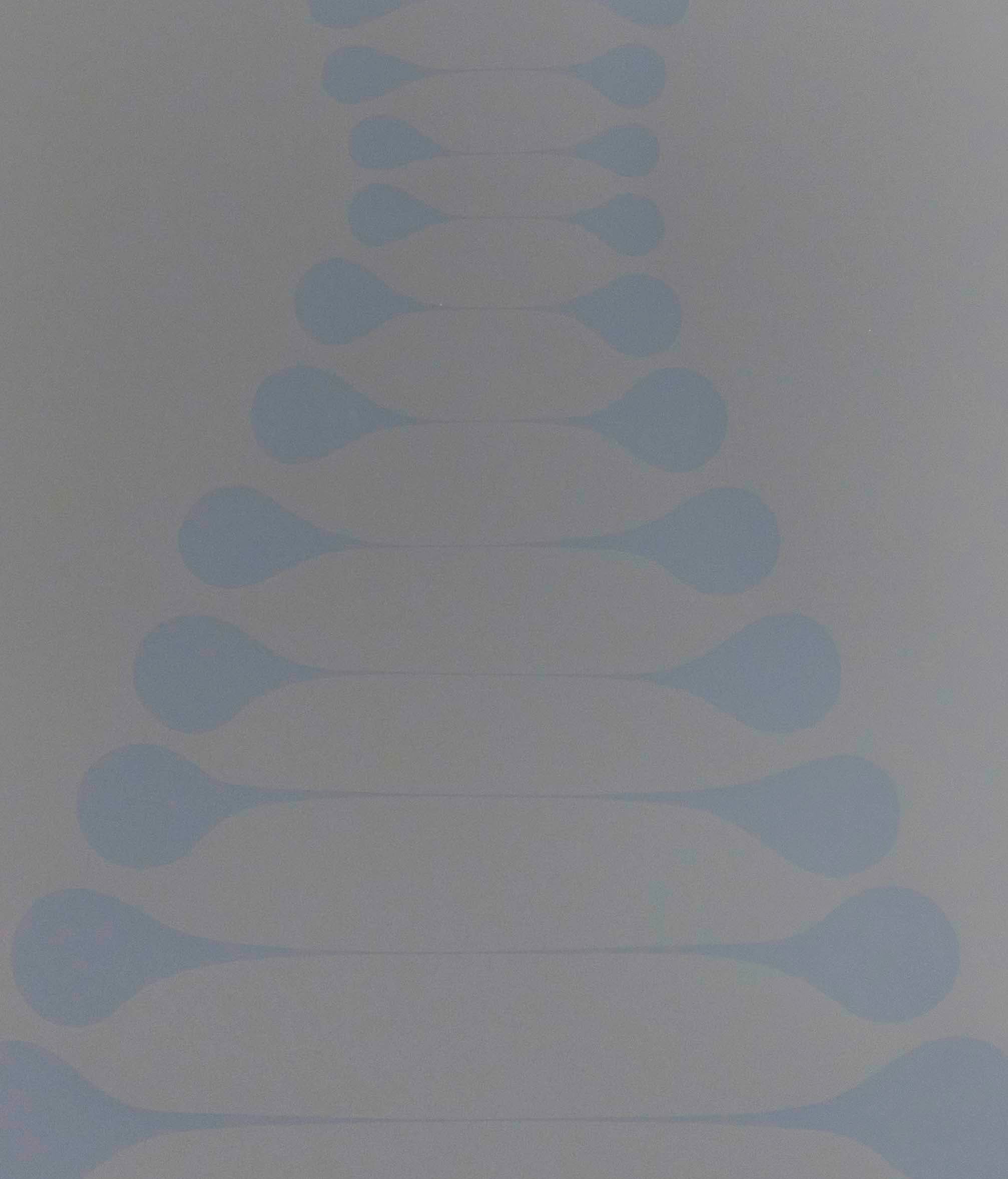
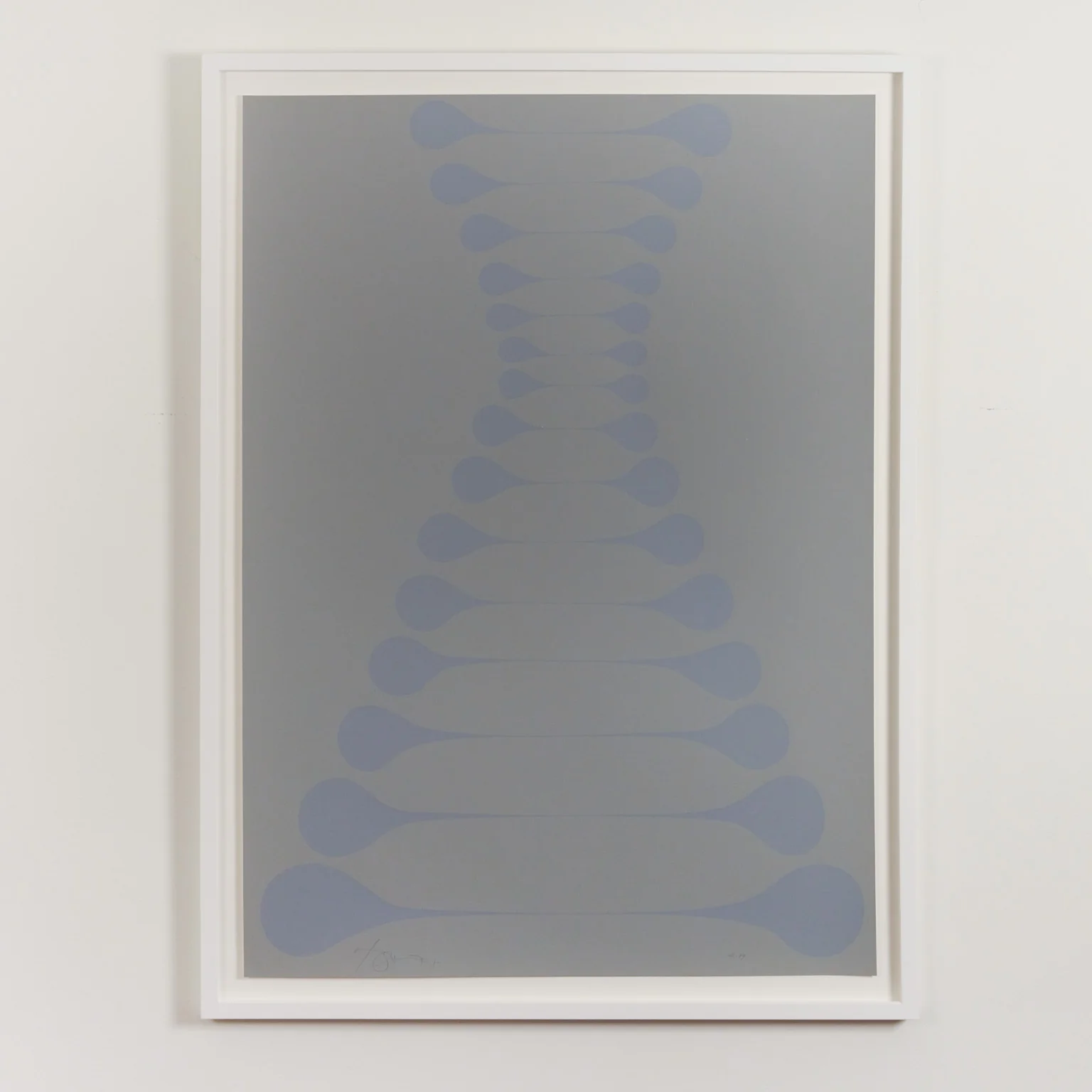
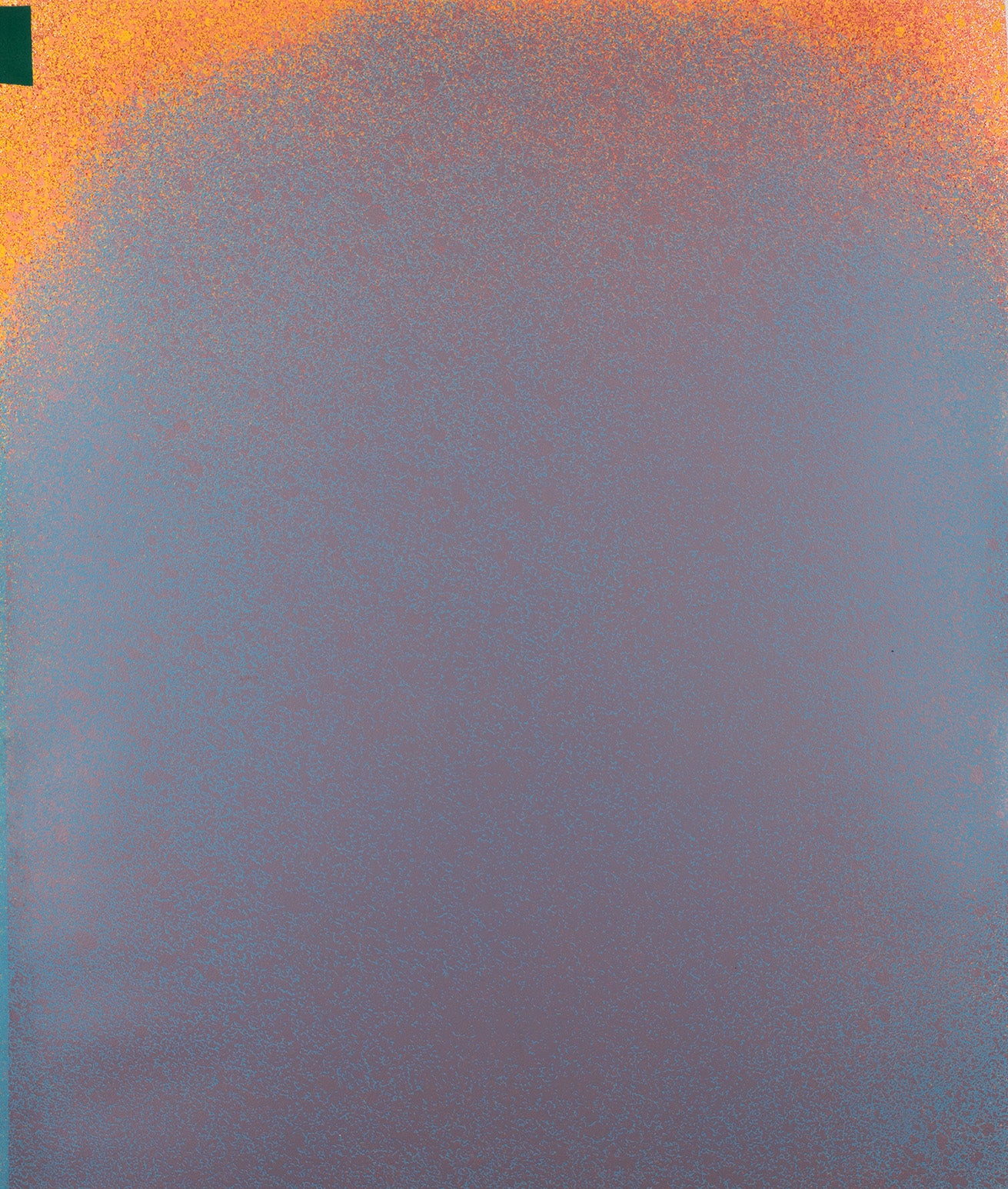
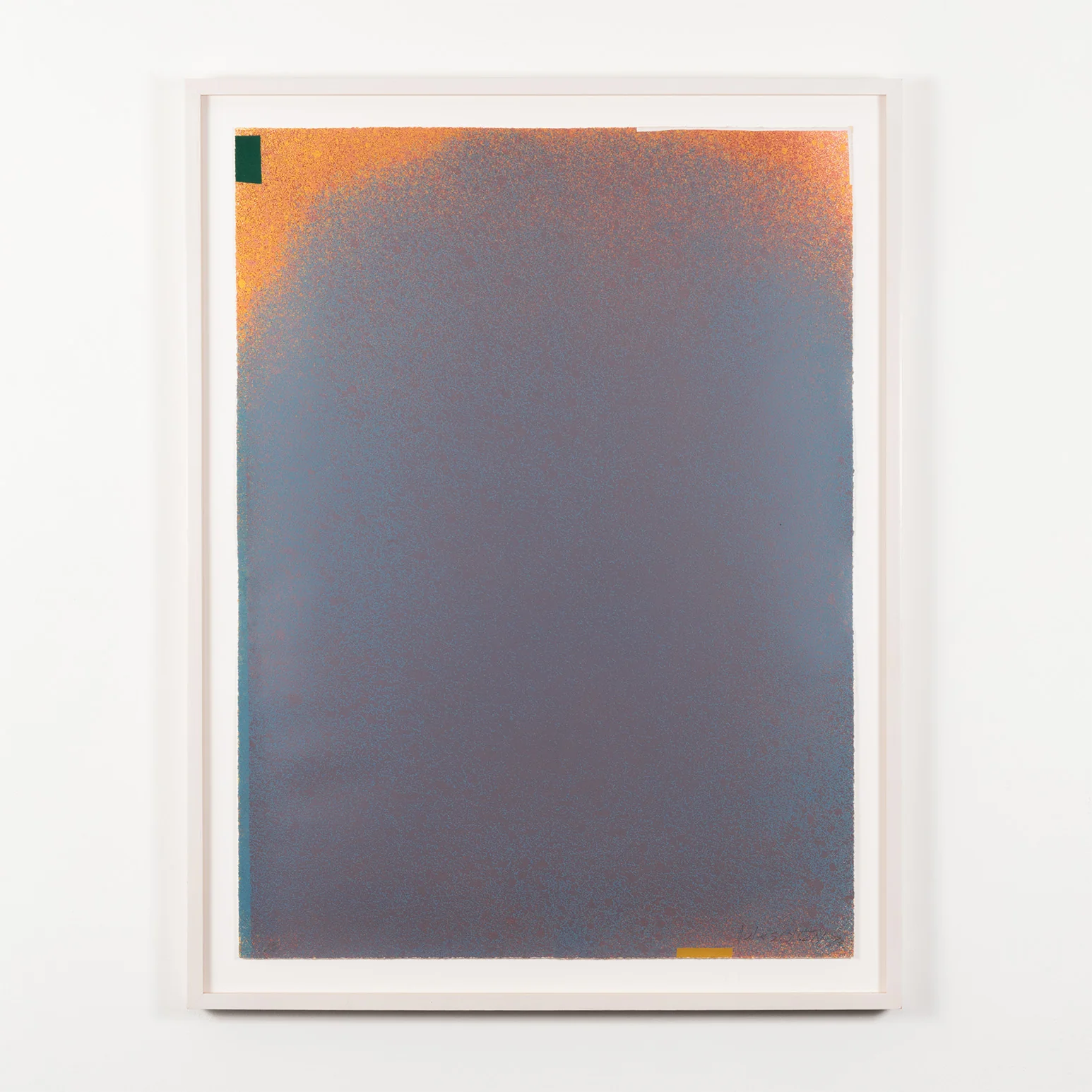
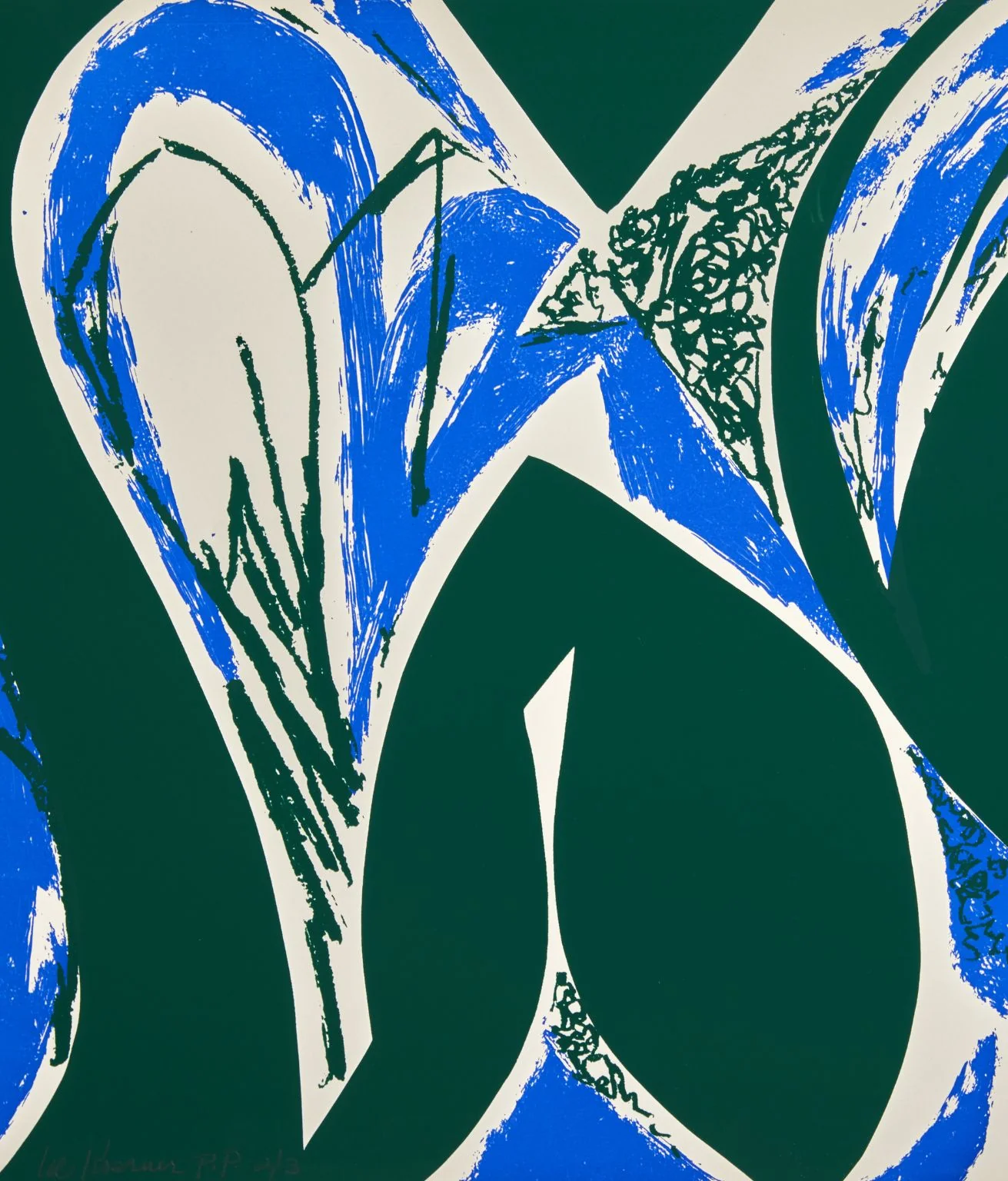
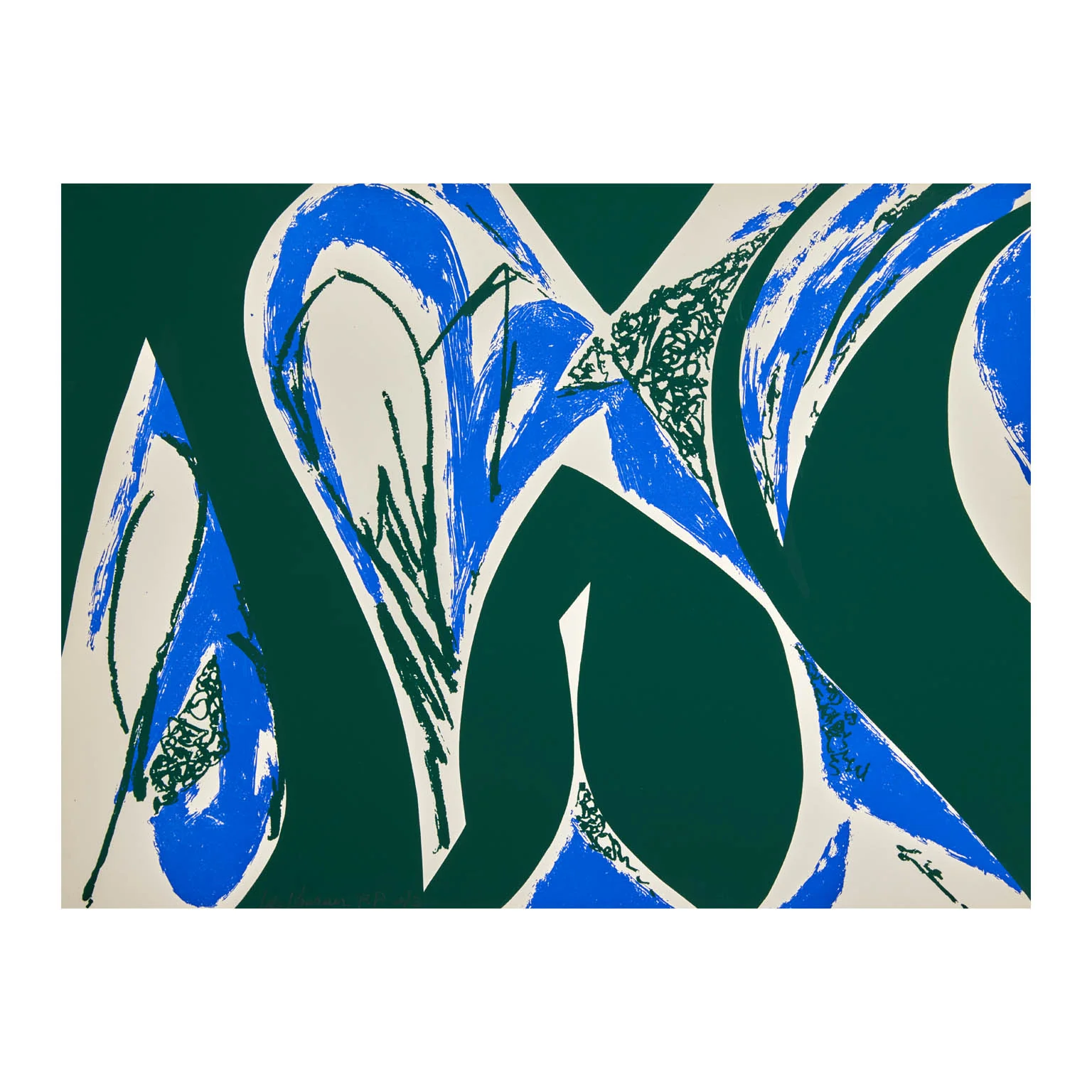
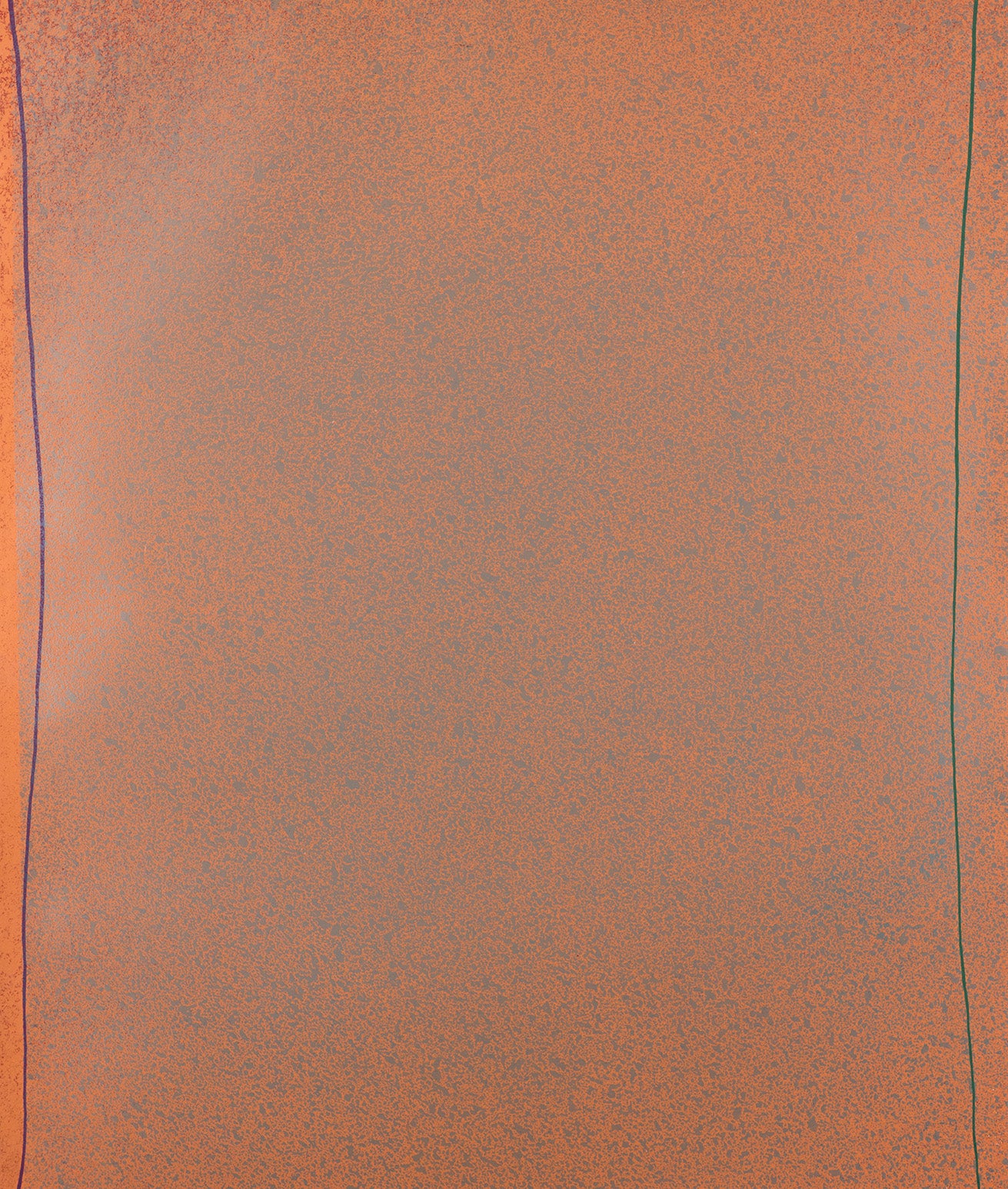
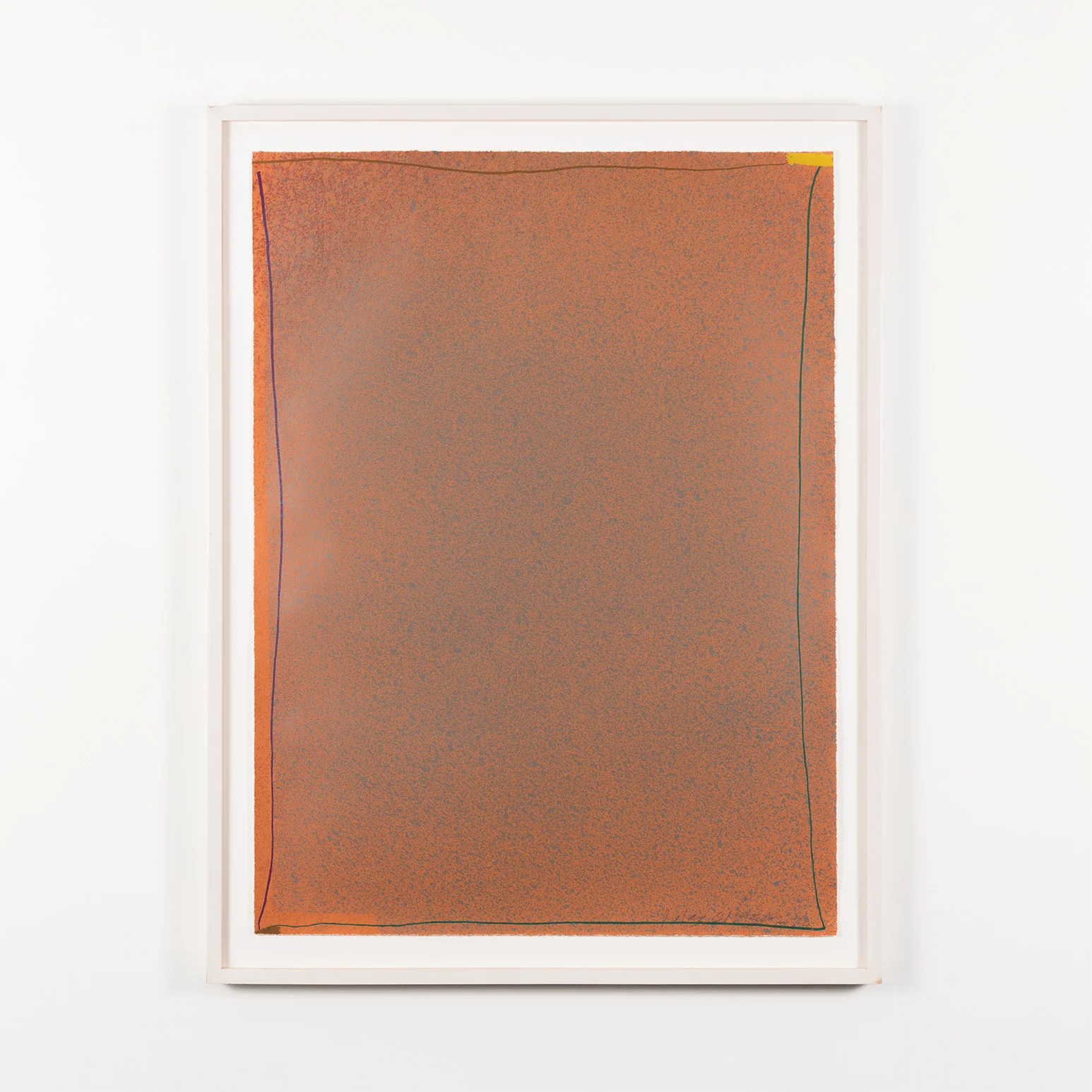
"Phenomena: Prevailing Winds" belongs to his series Phenomena, a term that underscores Jenkins’s interest in sensory experience over intellectual abstraction. Influenced by Jungian psychology and Eastern philosophy, Jenkins approached painting as a form of inward reflection. His engagement with mysticism and contemplative traditions shaped both his artistic language and his broader worldview, infusing the series with a philosophical depth rooted in perception, intuition, and lived experience.
This painting is exceptional not only in its visual qualities, but also in its scale; at eight by six feet, the composition is captivating and impossible to ignore.
Jenkins' works can be found in the permanent collections of many of the most prestigious institutions globally including the Tate (London), the Museum of Modern Art (NY), the Guggenheim Museum (NY), the Smithsonian Museum (NY), and the Stedelijk Museum (Amsterdam) to name a few.
Questions about this artwork? Contact us, call +1.416.704.1720, or visit our Toronto gallery.
"Phenomena: Prevailing Winds"
USA, 1966
Acrylic on canvas
Signed by the artist, face
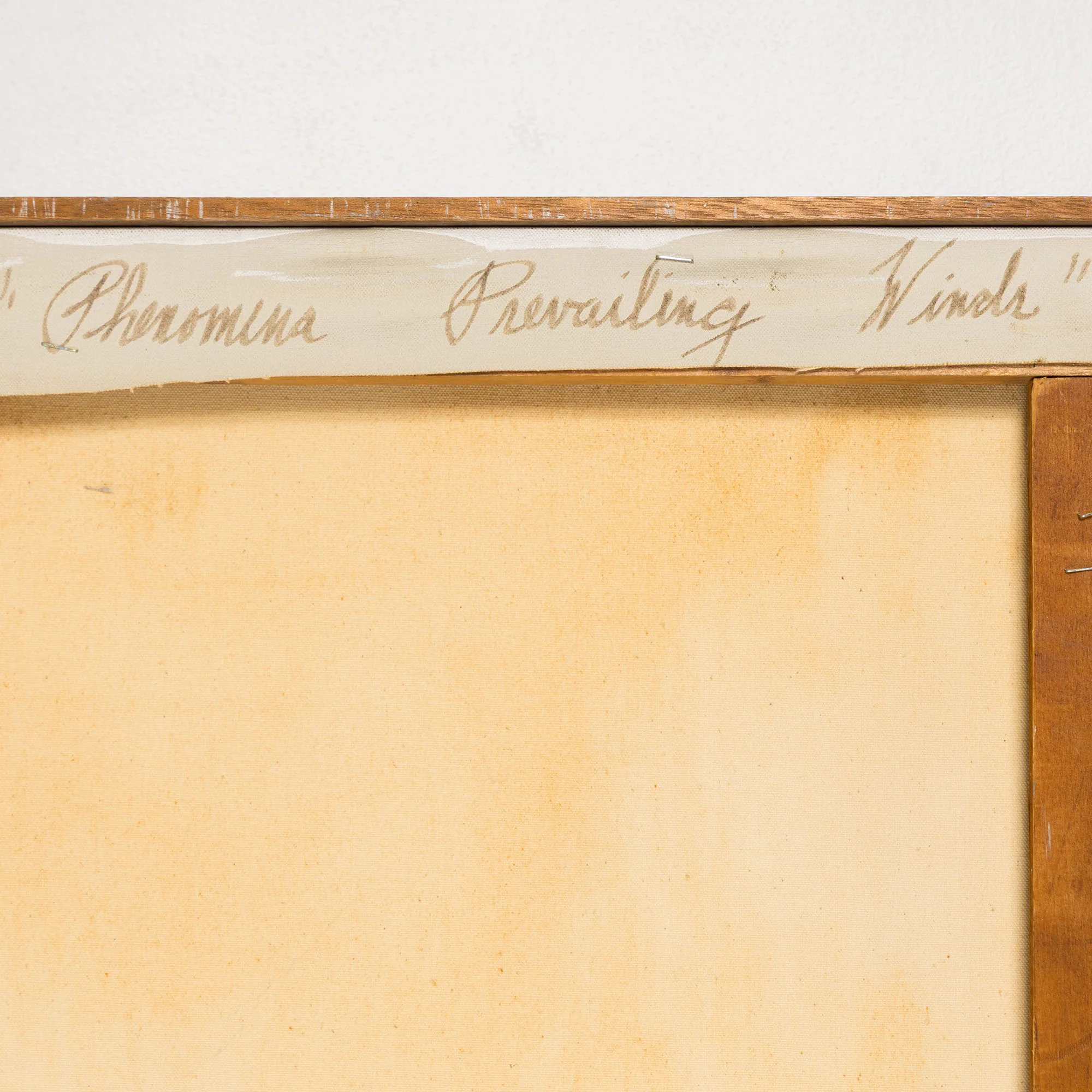
Titled, signed and dated, verso
72”H 96”W (work)
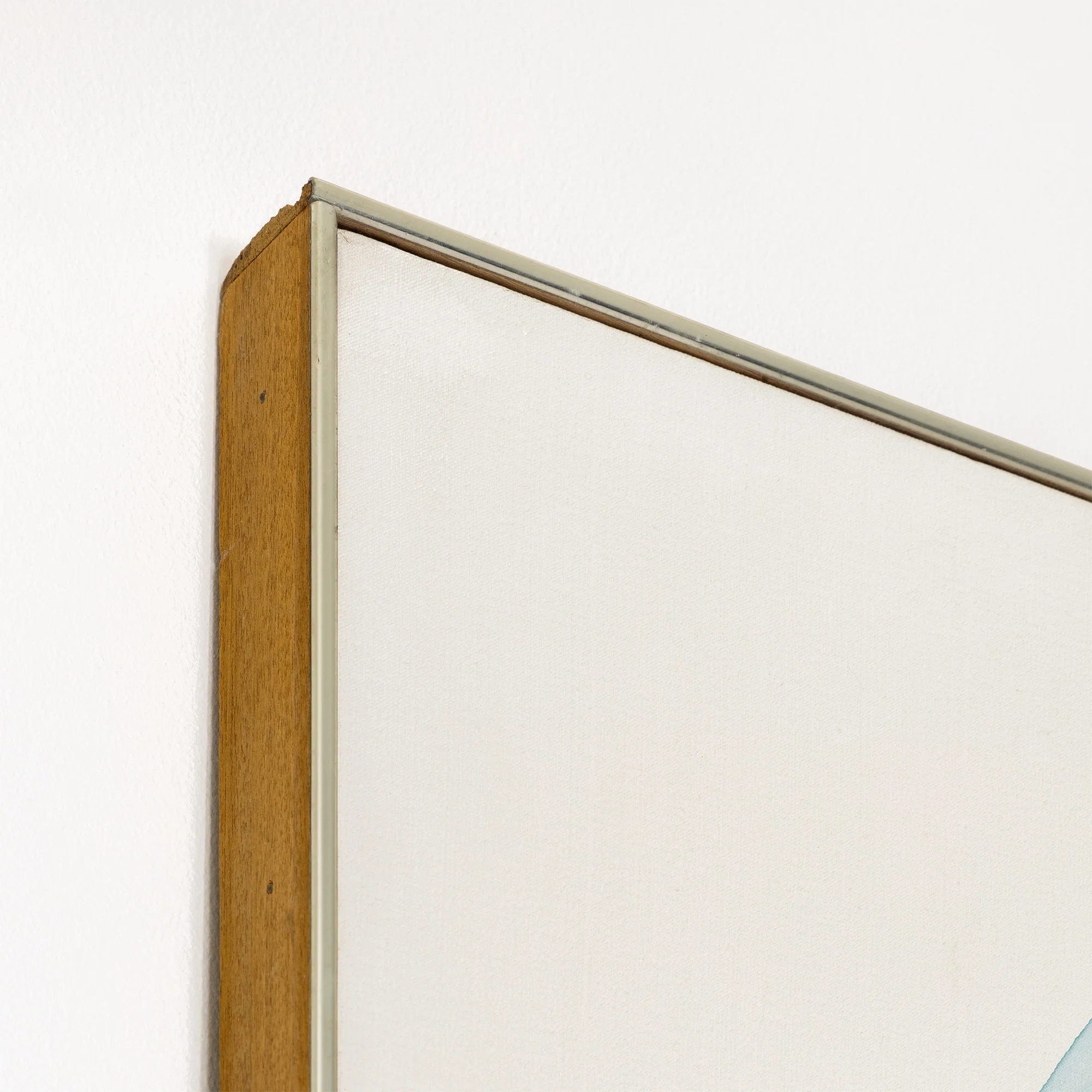
74"H 98"W (framed)
Overall good condition. Full report available on request.
More Images
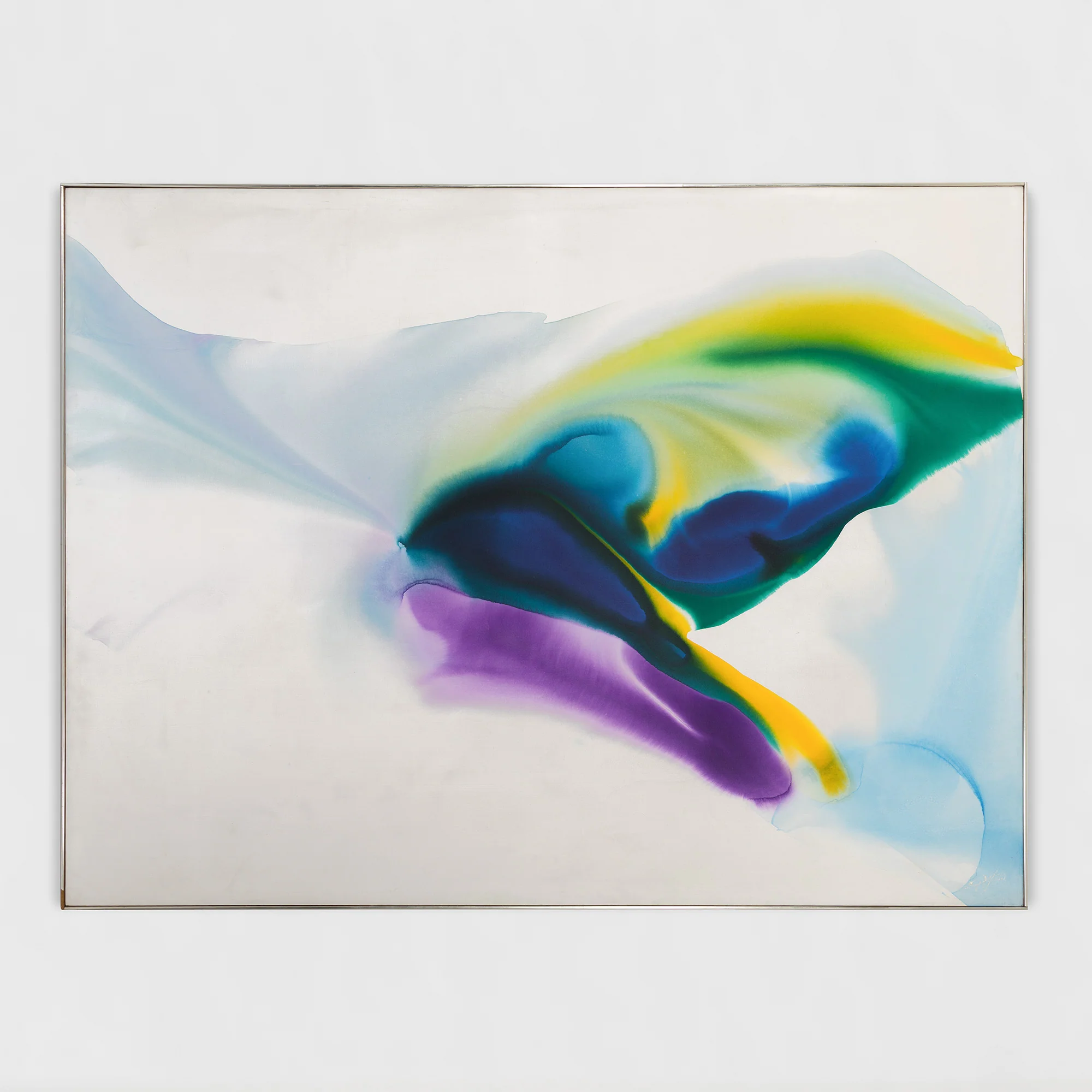






PAUL JENKINS "PHENOMENA: PREVAILING WINDS" 1966
Paul Jenkins (1923-2012) was a major American abstract painter who formally established his practice in post-war France.
Along with artists such as Sam Francis and Jack Youngerman, Jenkins worked mostly in Paris in the 1950s. As a result his work developed in tandem with, rather than following, the New York School.
Like the aforementioned artists, Jenkins came to Paris because of the now famous G.I. Bill which covered veterans' tuition and other expenses while studying. He would settle in Paris around 1953, and by 1960, he had a reputation on both sides of the Atlantic as one of the times most recognizable and commercially successful abstract artists.
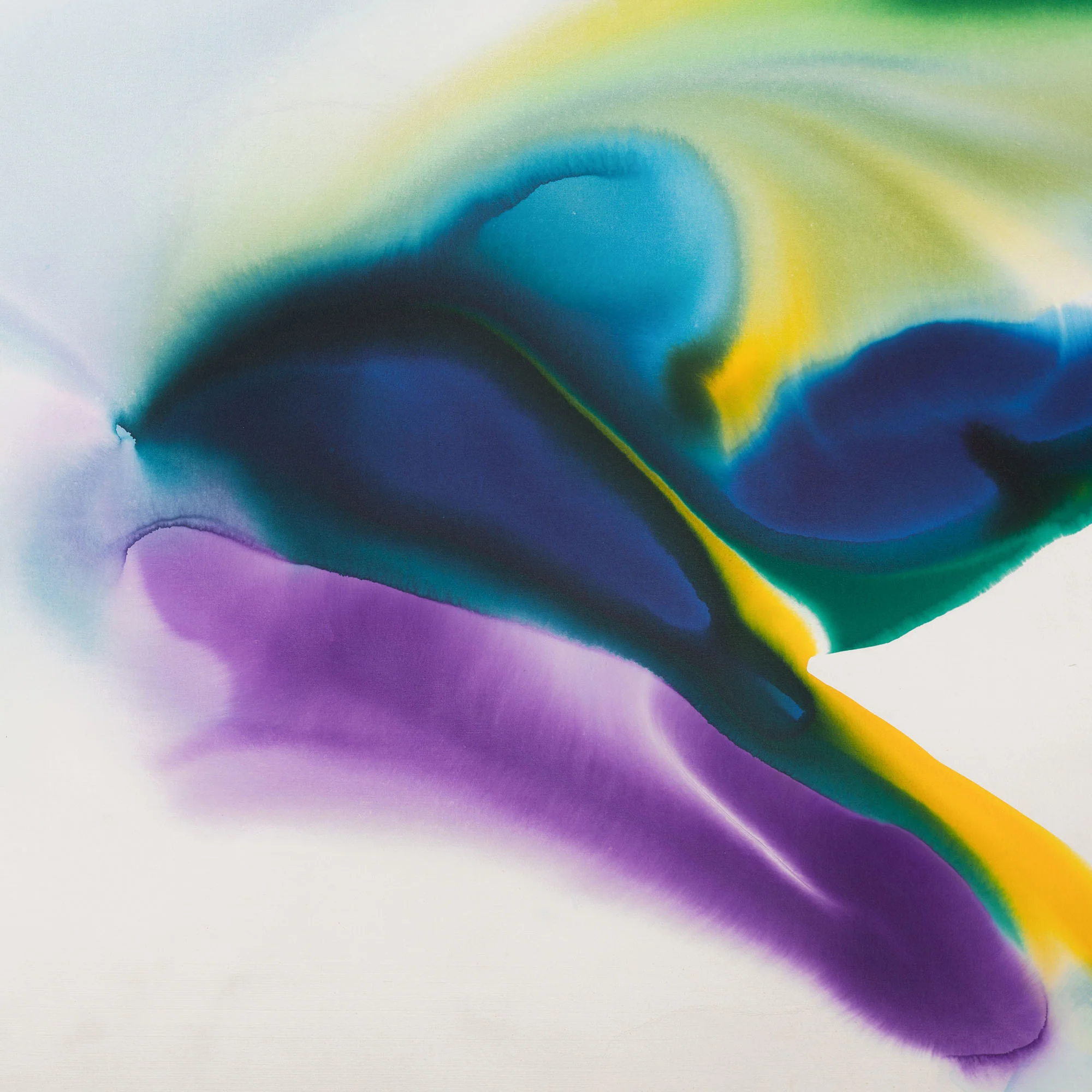
By the 1960s, Jenkins had refined his practice in to a disciplined and intuitive method. He primed his canvases with white acrylic to create a luminous base, poured his own mixed hues onto tilted surfaces, and guided the paint with a brush or blunt knife, leaving no trace of the artists hand. He worked from all angles, wiping and layering white veils to maintain translucence, and finished with a matte varnish that preserved the painting’s quiet radiance.
Jenkins’ innovative approach aligned him with the Abstract Expressionists. Known for avoiding the paintbrush, the artist poured pigment directly onto his surfaces. Though frequently compared to Helen Frankenthaler and Morris Louis, Jenkins diverged in a crucial respect: where they worked on raw canvas, he consistently primed his surfaces to preserve luminosity. He is one of the only artists of his era to continuously explore the abstract potential of watercolors (see an example here).
"Phenomena: Prevailing Winds" belongs to his series Phenomena, a term that underscores Jenkins’s interest in sensory experience over intellectual abstraction. Influenced by Jungian psychology and Eastern philosophy, Jenkins approached painting as a form of inward reflection. His engagement with mysticism and contemplative traditions shaped both his artistic language and his broader worldview, infusing the series with a philosophical depth rooted in perception, intuition, and lived experience.
This painting is exceptional not only in its visual qualities, but also in its scale; at eight by six feet, the composition is captivating and impossible to ignore.
Jenkins' works can be found in the permanent collections of many of the most prestigious institutions globally including the Tate (London), the Museum of Modern Art (NY), the Guggenheim Museum (NY), the Smithsonian Museum (NY), and the Stedelijk Museum (Amsterdam) to name a few.
Questions about this artwork? Contact us, call +1.416.704.1720, or visit our Toronto gallery.
"Phenomena: Prevailing Winds"
USA, 1966
Acrylic on canvas
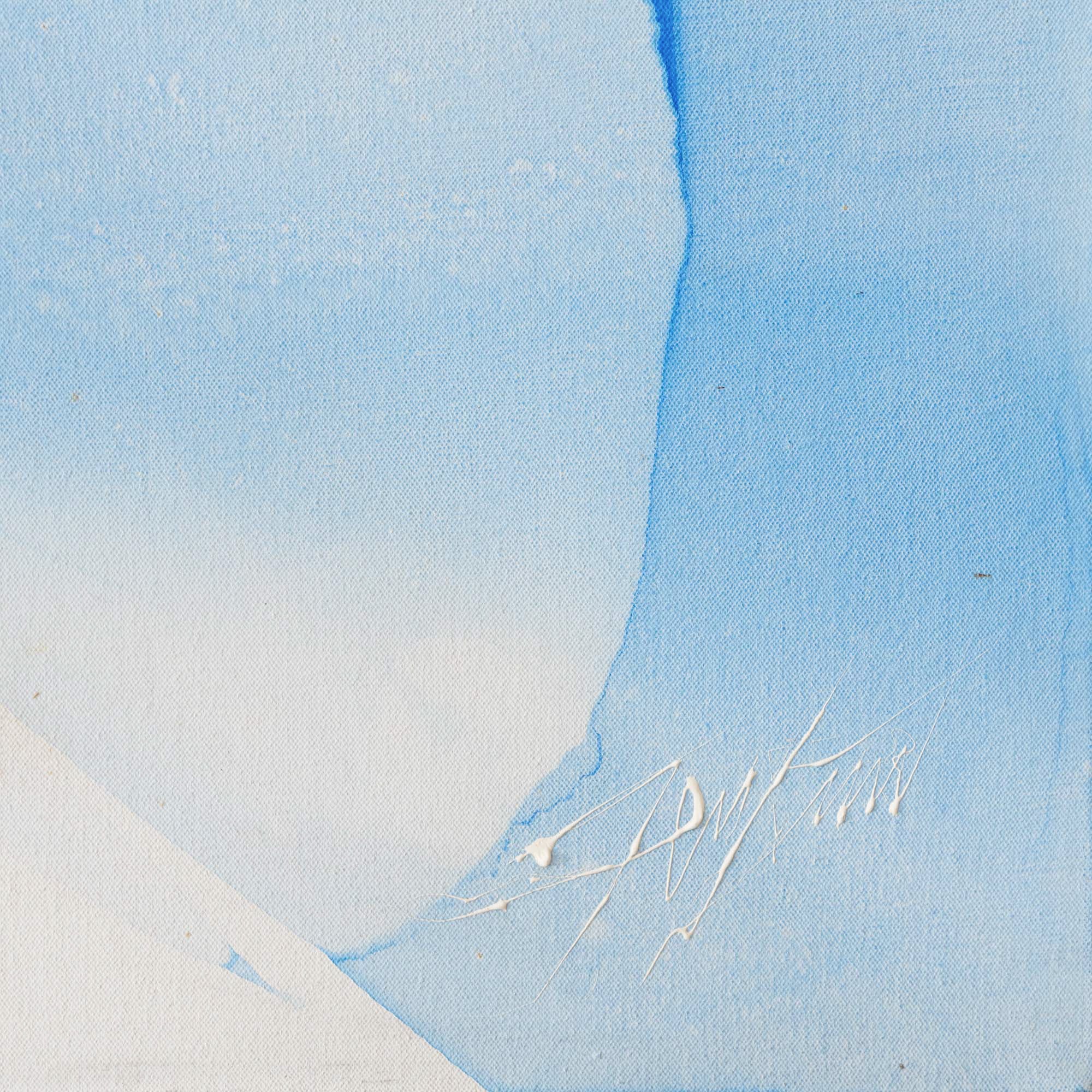
Signed by the artist, face
Titled, signed and dated, verso
72”H 96”W (work)
74"H 98"W (framed)
Overall good condition. Full report available on request.
Product Information
Product Information
Shipping & Returns
Shipping & Returns
Description
Paul Jenkins (1923-2012) was a major American abstract painter who formally established his practice in post-war France.
Along with artists such as Sam Francis and Jack Youngerman, Jenkins worked mostly in Paris in the 1950s. As a result his work developed in tandem with, rather than following, the New York School.
Like the aforementioned artists, Jenkins came to Paris because of the now famous G.I. Bill which covered veterans' tuition and other expenses while studying. He would settle in Paris around 1953, and by 1960, he had a reputation on both sides of the Atlantic as one of the times most recognizable and commercially successful abstract artists.
By the 1960s, Jenkins had refined his practice in to a disciplined and intuitive method. He primed his canvases with white acrylic to create a luminous base, poured his own mixed hues onto tilted surfaces, and guided the paint with a brush or blunt knife, leaving no trace of the artists hand. He worked from all angles, wiping and layering white veils to maintain translucence, and finished with a matte varnish that preserved the painting’s quiet radiance.
Jenkins’ innovative approach aligned him with the Abstract Expressionists. Known for avoiding the paintbrush, the artist poured pigment directly onto his surfaces. Though frequently compared to Helen Frankenthaler and Morris Louis, Jenkins diverged in a crucial respect: where they worked on raw canvas, he consistently primed his surfaces to preserve luminosity. He is one of the only artists of his era to continuously explore the abstract potential of watercolors (see an example here).
"Phenomena: Prevailing Winds" belongs to his series Phenomena, a term that underscores Jenkins’s interest in sensory experience over intellectual abstraction. Influenced by Jungian psychology and Eastern philosophy, Jenkins approached painting as a form of inward reflection. His engagement with mysticism and contemplative traditions shaped both his artistic language and his broader worldview, infusing the series with a philosophical depth rooted in perception, intuition, and lived experience.
This painting is exceptional not only in its visual qualities, but also in its scale; at eight by six feet, the composition is captivating and impossible to ignore.
Jenkins' works can be found in the permanent collections of many of the most prestigious institutions globally including the Tate (London), the Museum of Modern Art (NY), the Guggenheim Museum (NY), the Smithsonian Museum (NY), and the Stedelijk Museum (Amsterdam) to name a few.
Questions about this artwork? Contact us, call +1.416.704.1720, or visit our Toronto gallery.
"Phenomena: Prevailing Winds"
USA, 1966
Acrylic on canvas
Signed by the artist, face
Titled, signed and dated, verso
72”H 96”W (work)
74"H 98"W (framed)
Overall good condition. Full report available on request.