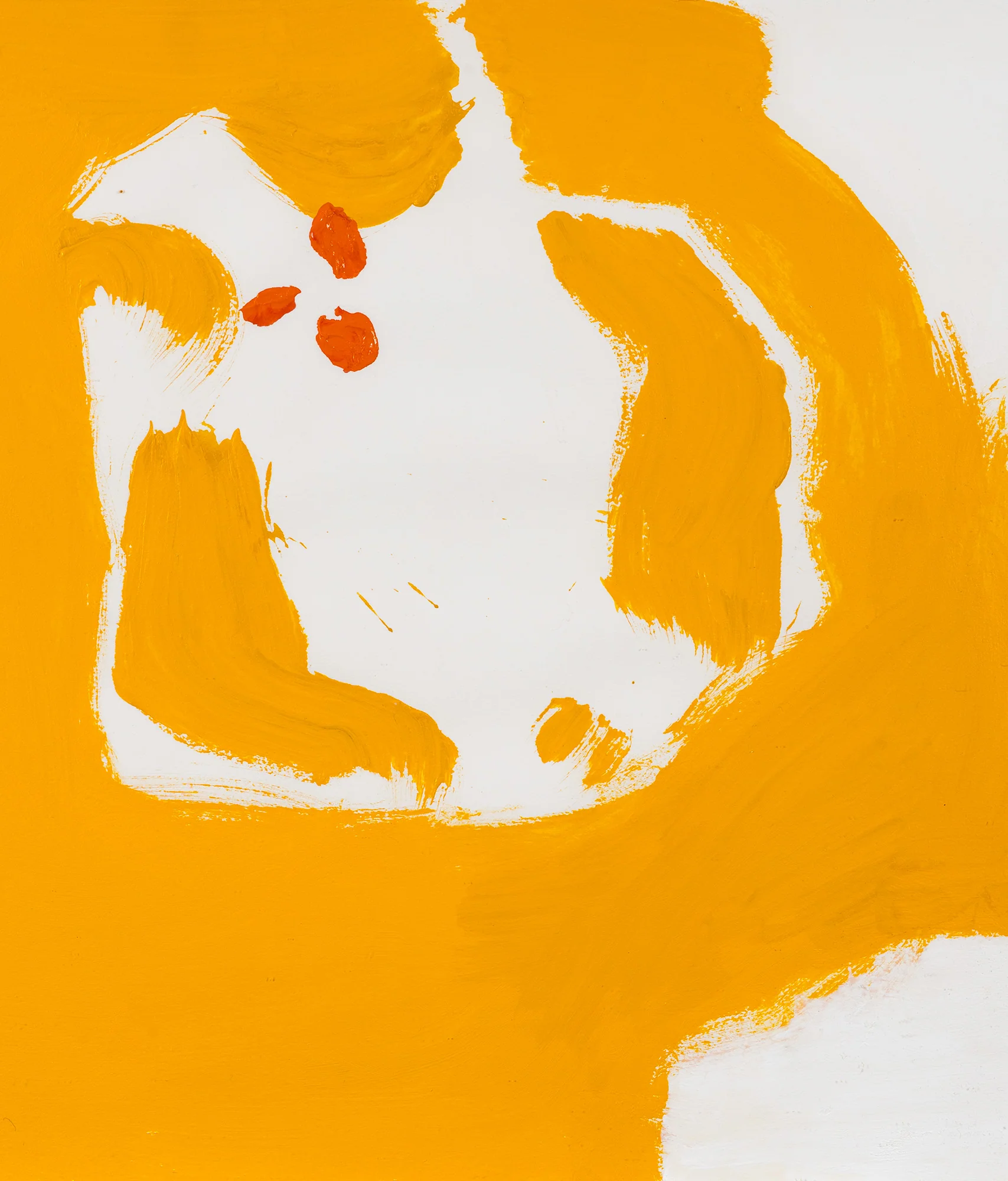
RAY MEAD "YELLOW COMPOSITION" 1996
A founding member of Painters Eleven, Ray Mead (1921-1988) occupies a distinct place within the arc of postwar Canadian abstraction.
Mead immigrated to Canada and settled in Hamilton in 1946. He had important relationships with Walter Yarwood and Hortense Gordon. The later shared many of her lessons that she had absorbed from studying with Hans Hoffmann.
In the early 1950s, Mead made several trips to New York City, intrigued by the nascent dominance of Abstract Expressionism. As a result, Mead's work reflected a synthesis of European Modernism and mid-century American abstraction.
Mead was not nearly as active as some of his contemporaries (notably Harold Town and William Ronald) after the demise of Painters Eleven. He took a significant amount of time off from being a studio artist in order to focus on graphic design.
Mead brought a designer’s clarity and an instinct for compression to his painting practice. His compositions are taut, economical, and resolutely frontal; fields of saturated colour interlocked with hard-edged forms that hover between geometry and organic forms.
Despite the art market's predictable preference for works created during the 1950's, Mead is one member of Painters Eleven who arguably became more distinctive (and perhaps better!) towards the end of his life. His compositions become more confident and graphic, often alluding to the late works of Robert Motherwell.
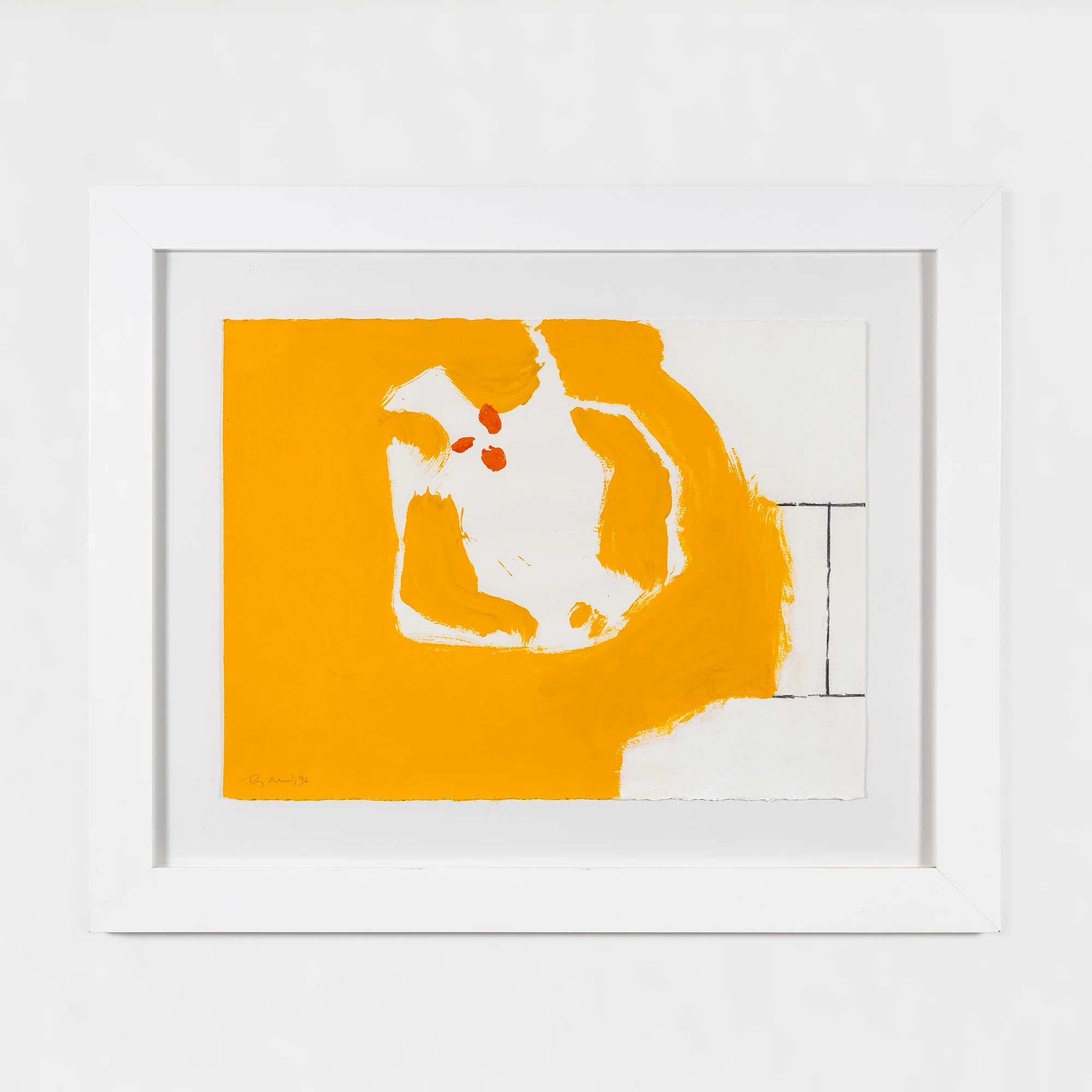
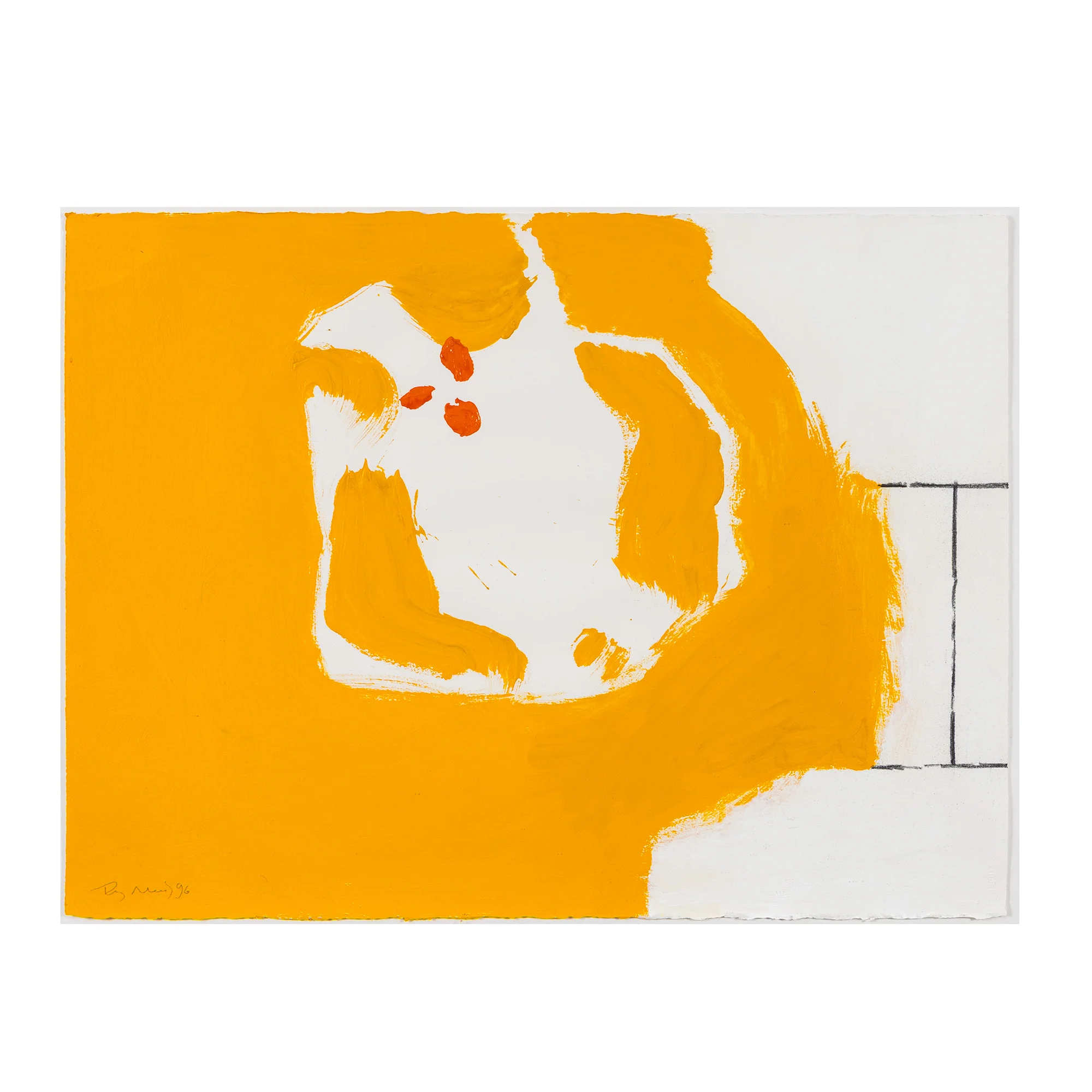
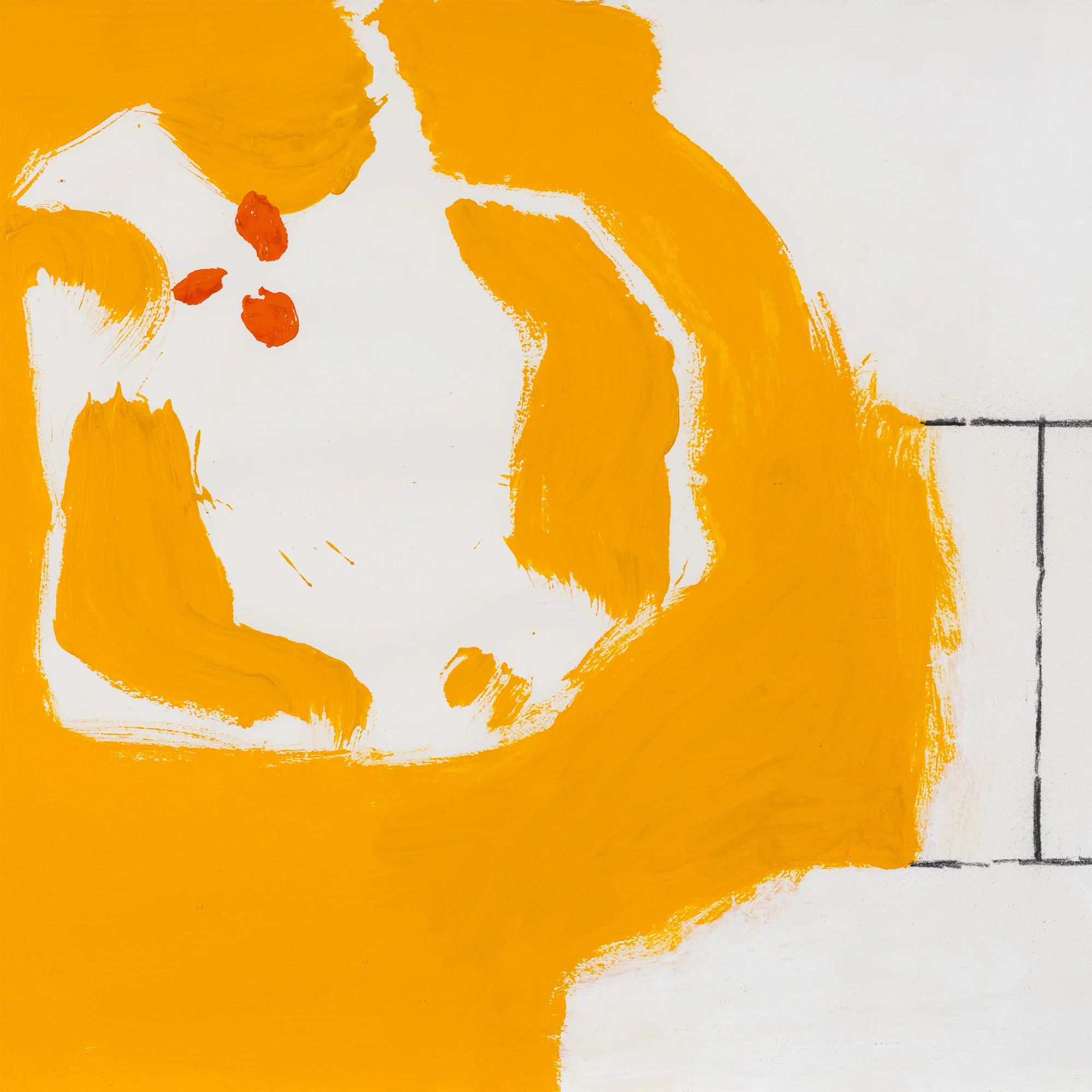
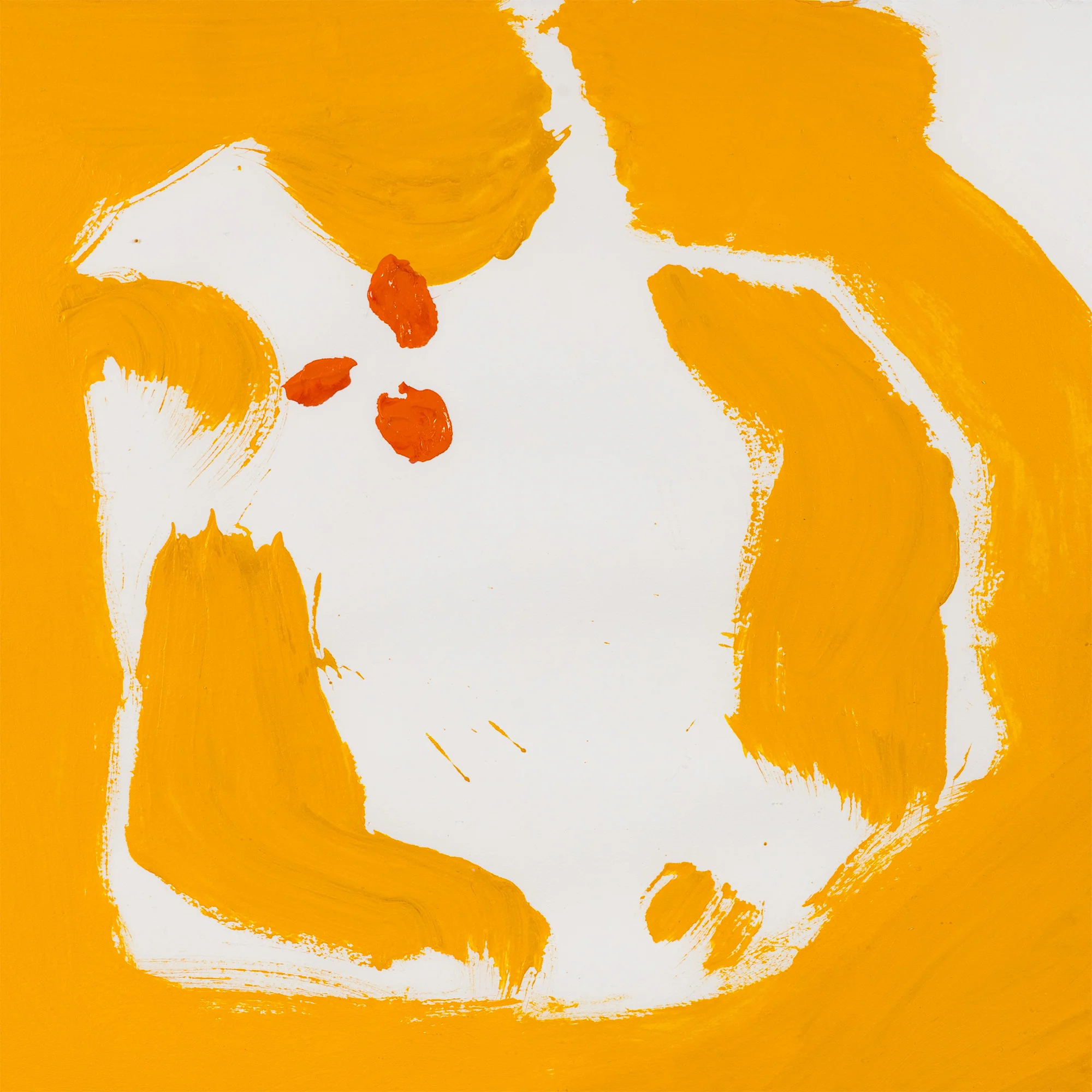
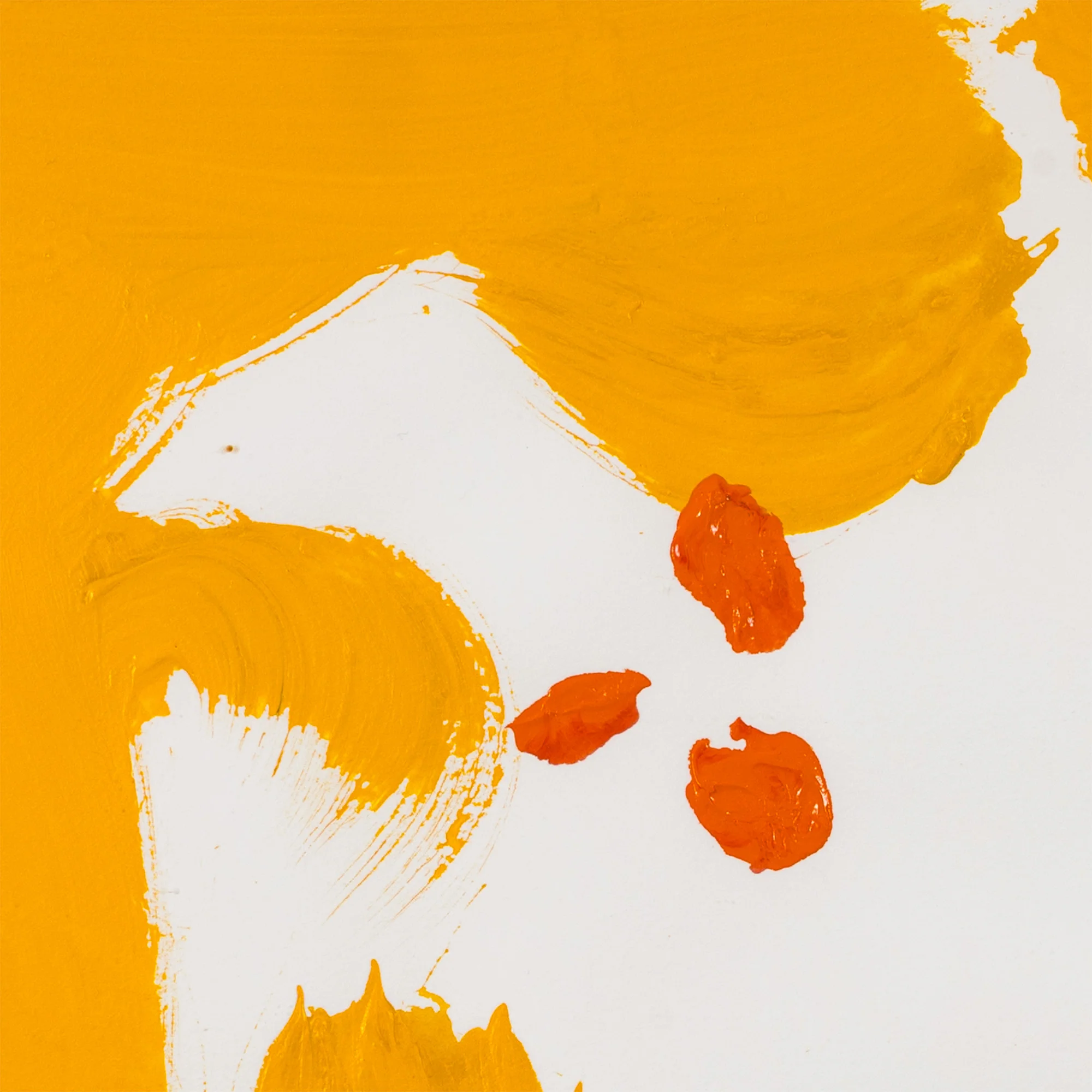
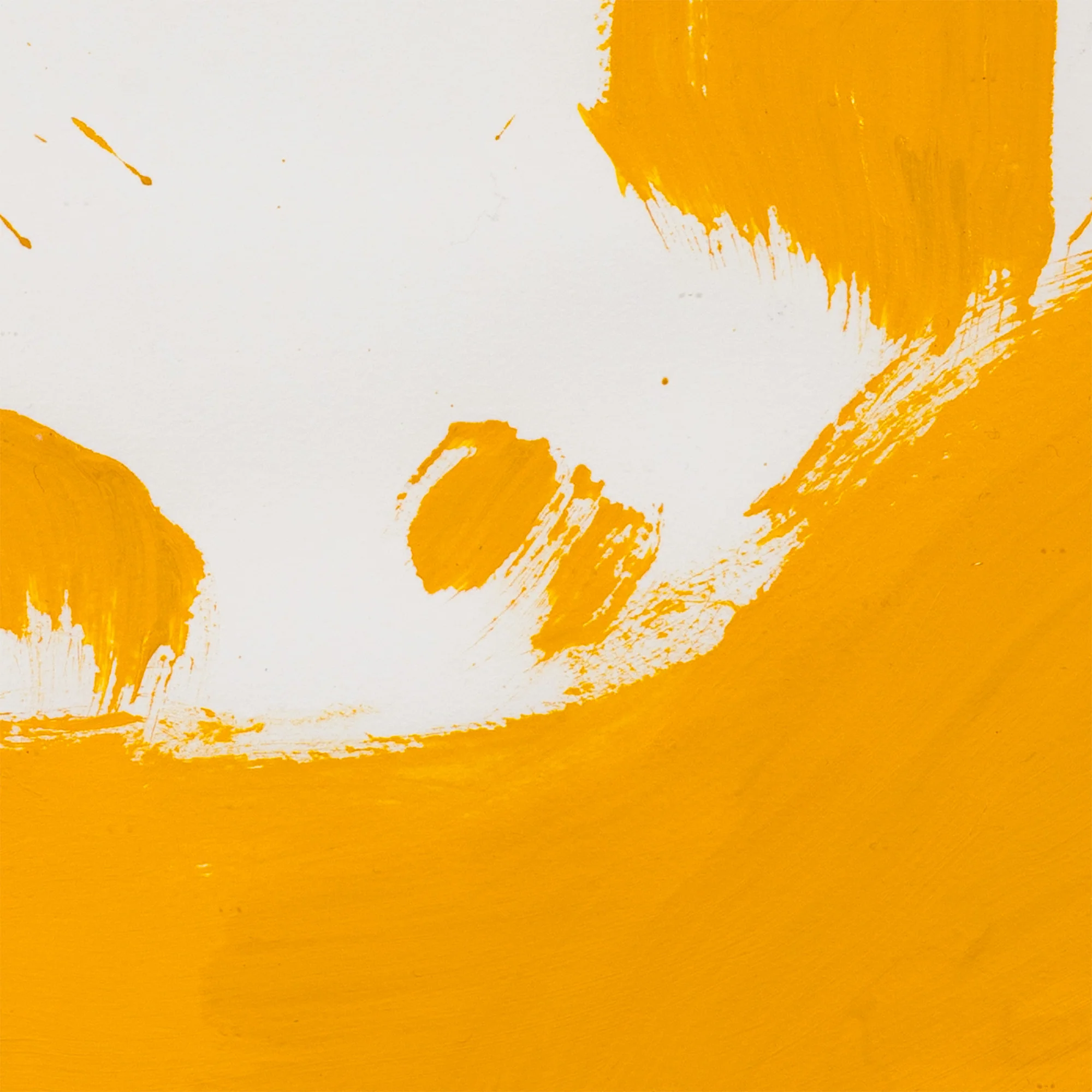
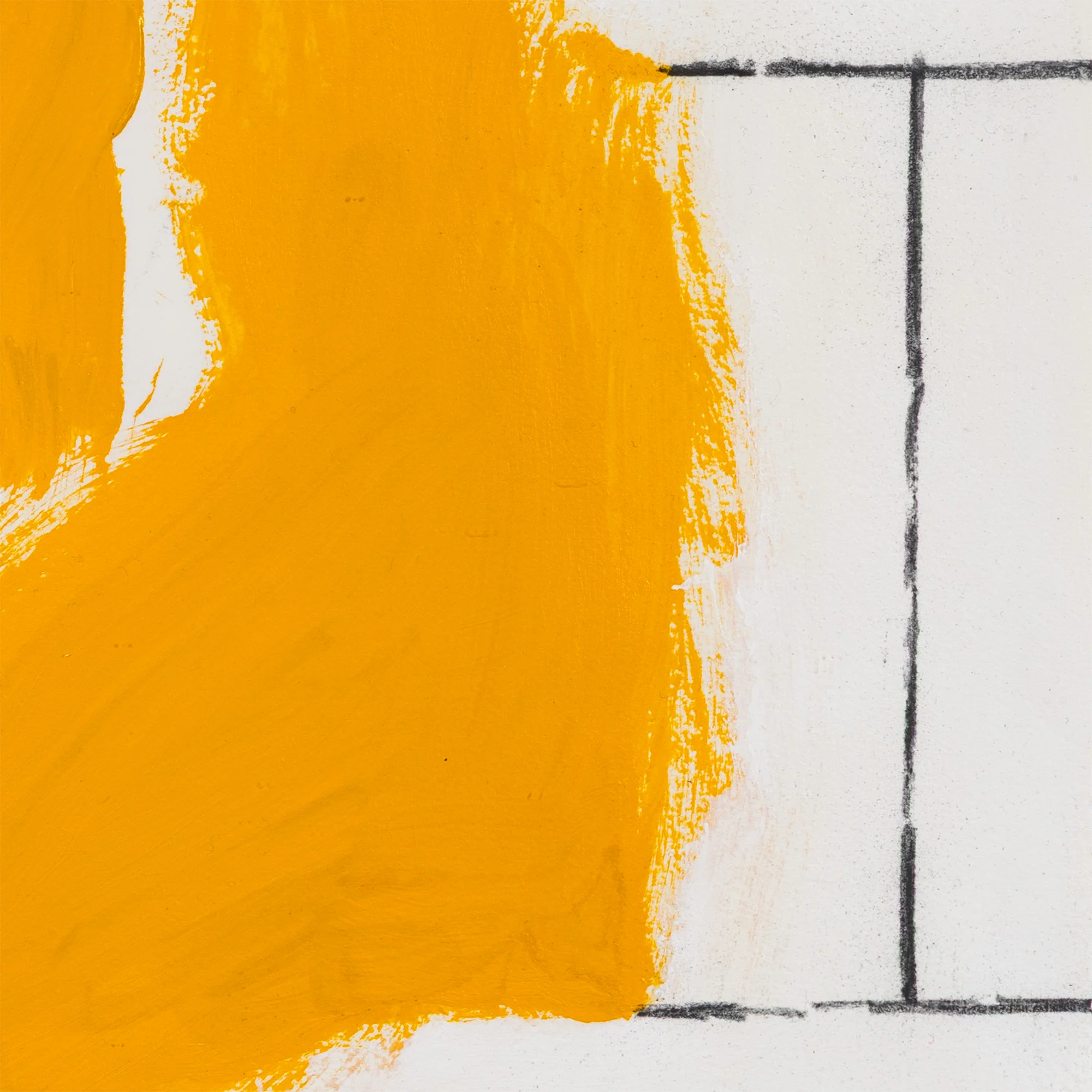
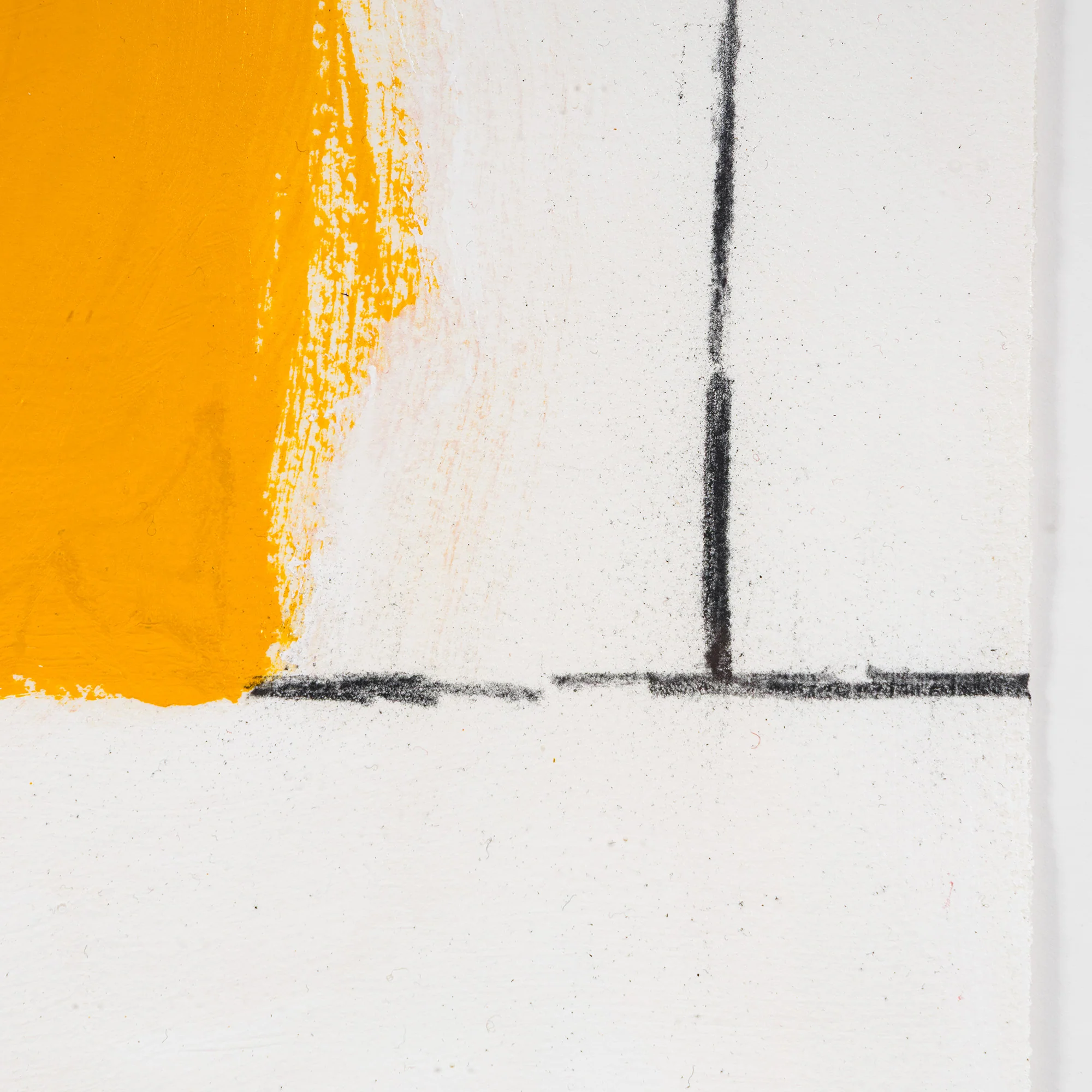
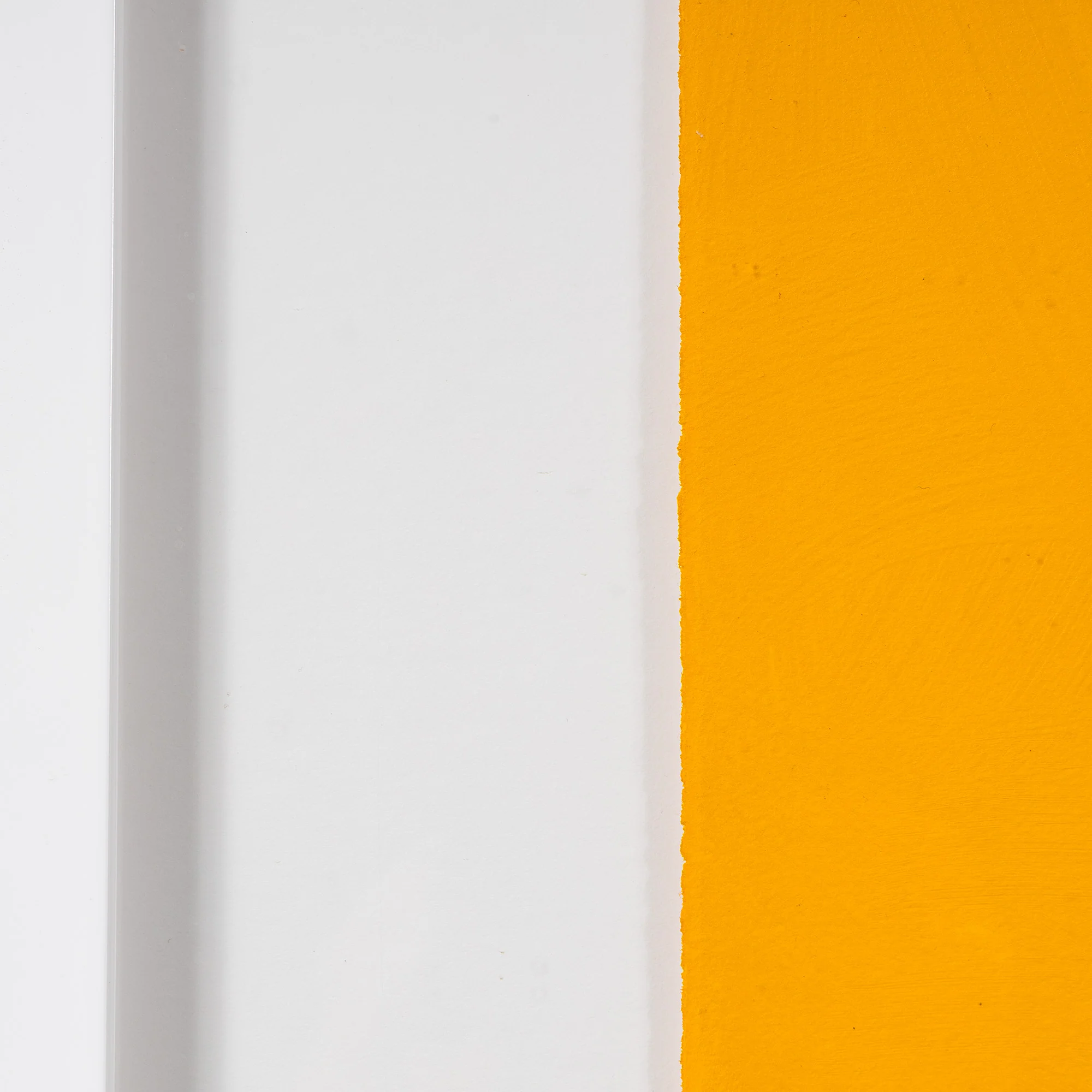
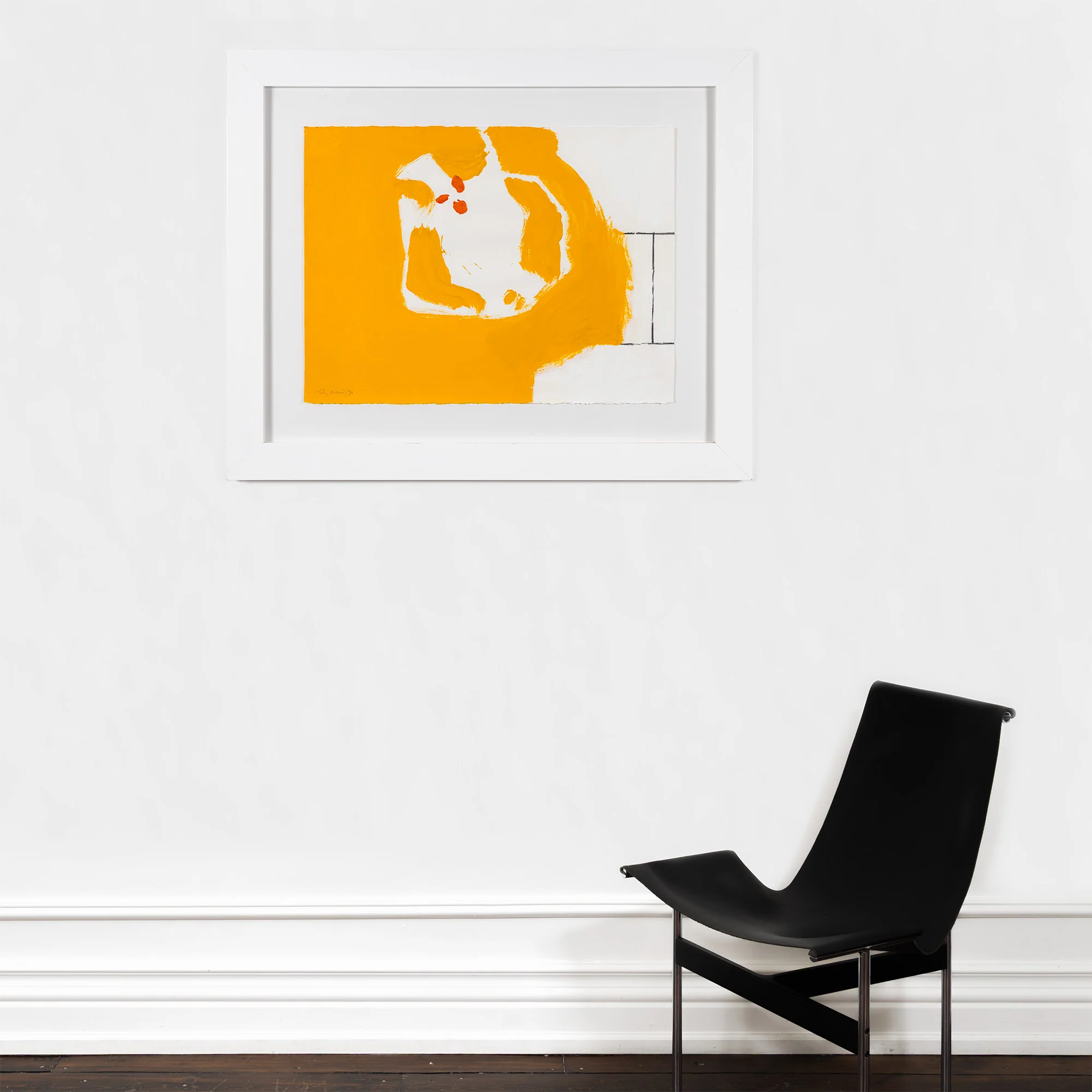
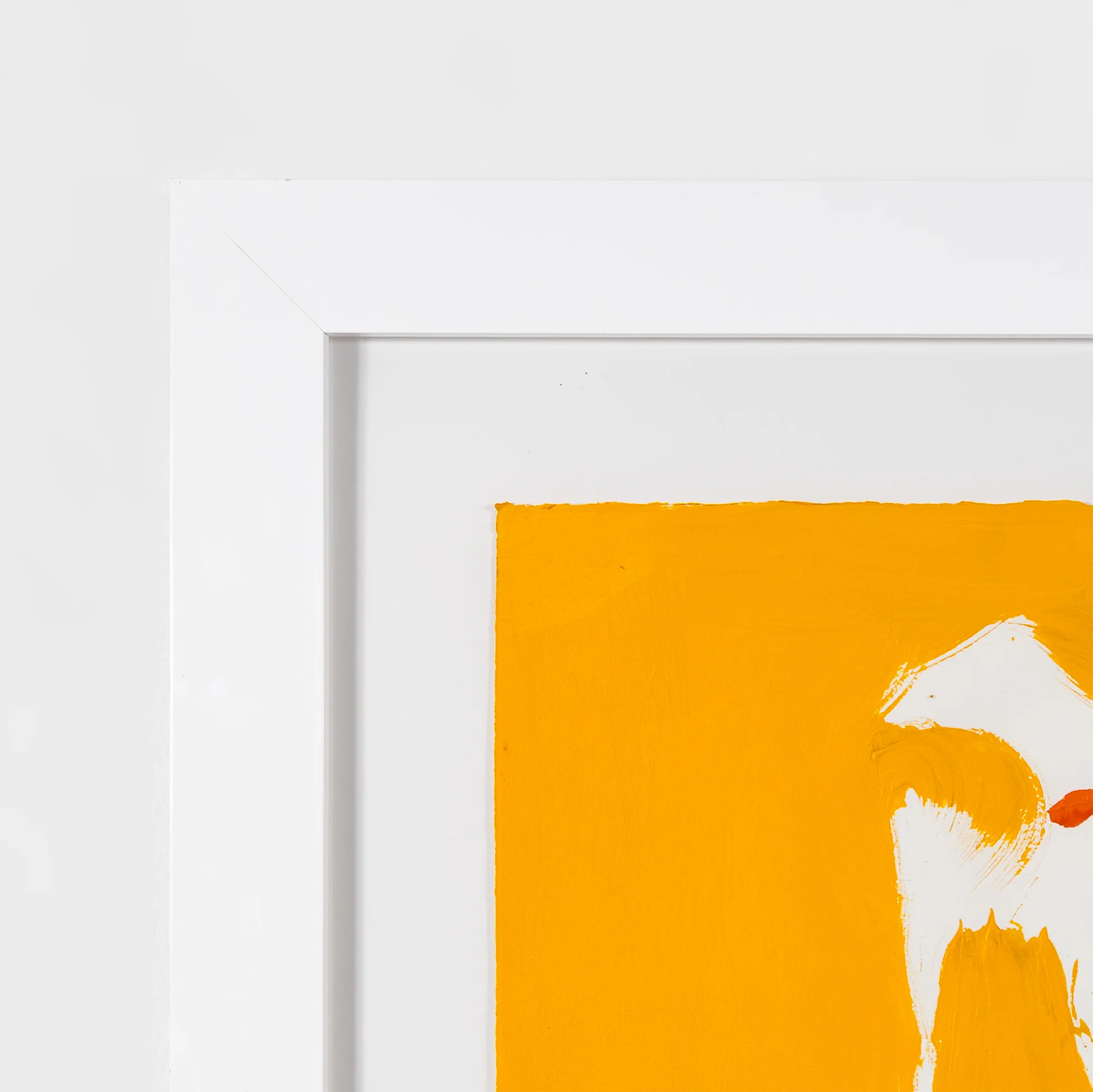
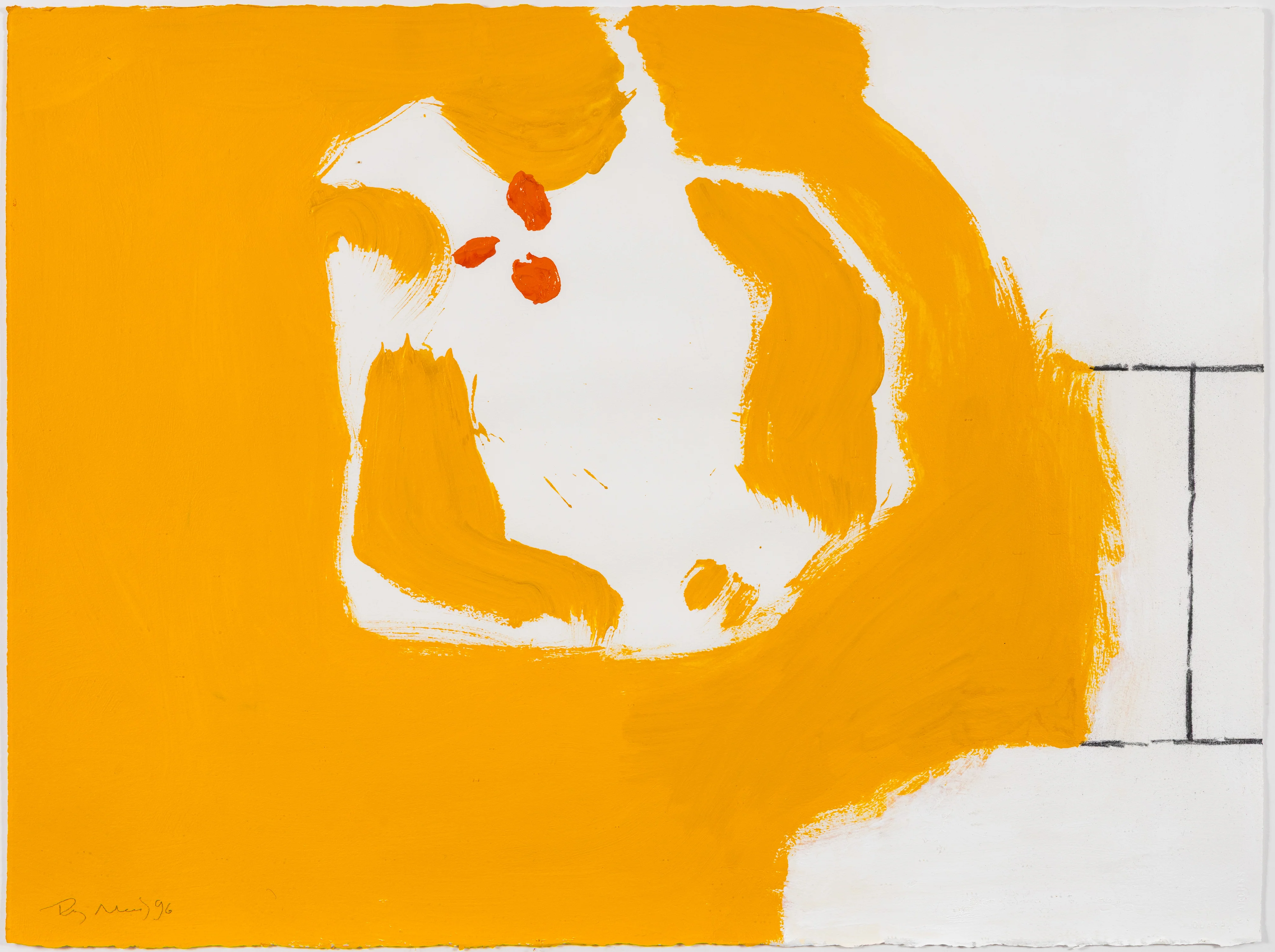
Executed in a marigold with cadmium accents and a lower linear structure, this work on paper is a fine example from the last chapter of Mead's career.
Questions about this piece? Contact us, call +1.416.704.1720, or visit our Toronto Gallery.
"Untitled"
Canada, 1996
Acrylic on paper
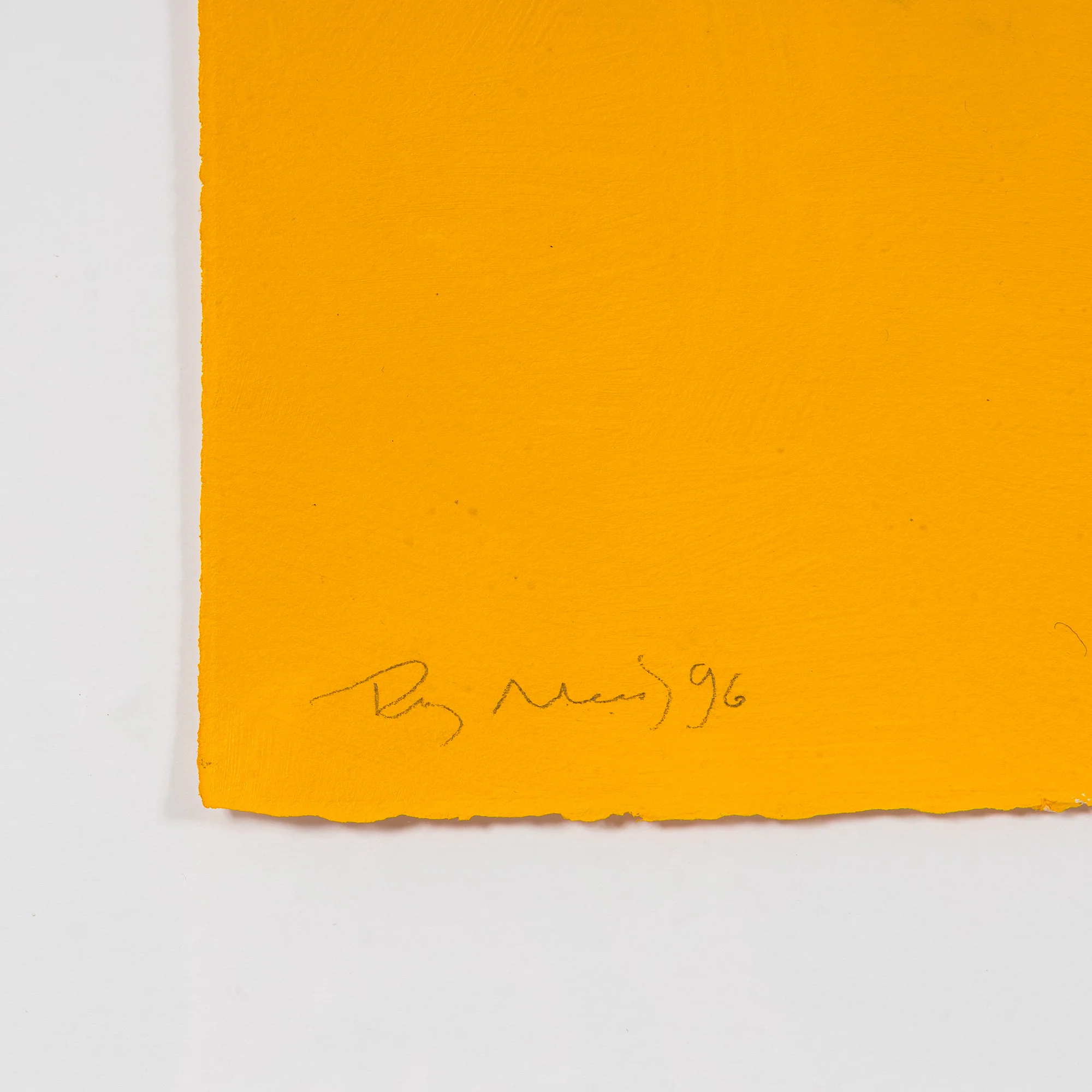
Signed and dated, lower left
22"H 30"W (work)
35"H 42.5"W (framed)
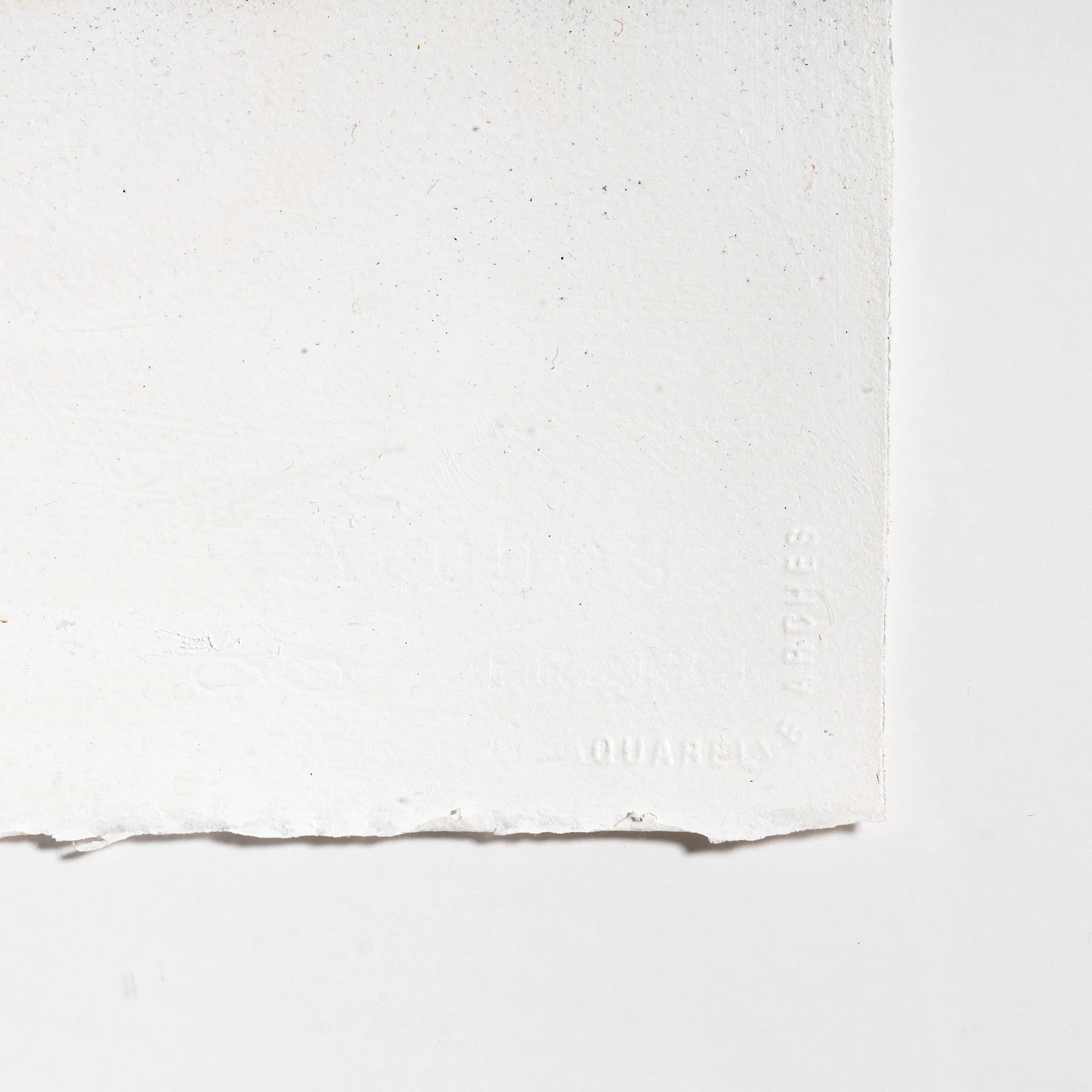
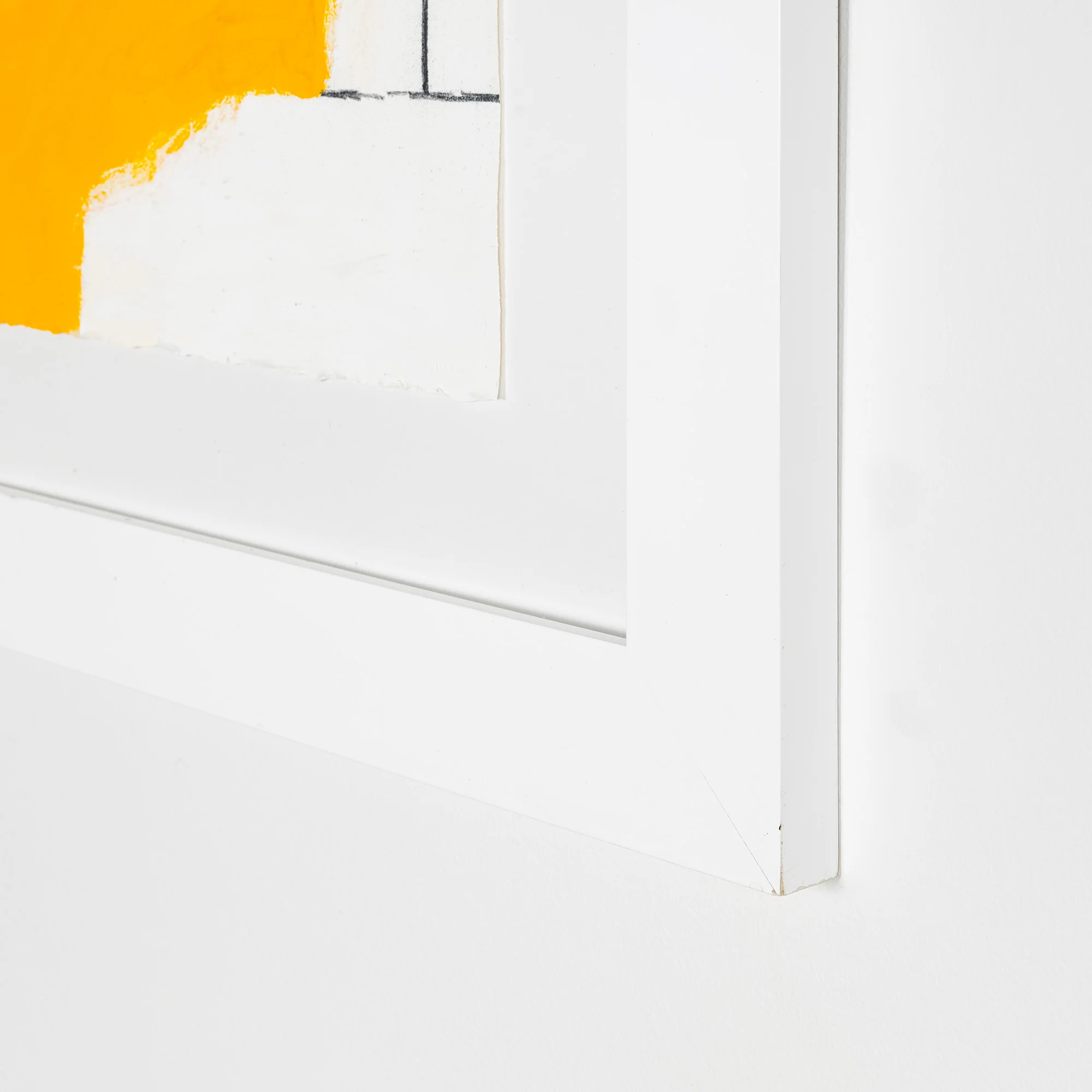
Very good condition.
More Images
RAY MEAD "YELLOW COMPOSITION" 1996
A founding member of Painters Eleven, Ray Mead (1921-1988) occupies a distinct place within the arc of postwar Canadian abstraction.
Mead immigrated to Canada and settled in Hamilton in 1946. He had important relationships with Walter Yarwood and Hortense Gordon. The later shared many of her lessons that she had absorbed from studying with Hans Hoffmann.
In the early 1950s, Mead made several trips to New York City, intrigued by the nascent dominance of Abstract Expressionism. As a result, Mead's work reflected a synthesis of European Modernism and mid-century American abstraction.
Mead was not nearly as active as some of his contemporaries (notably Harold Town and William Ronald) after the demise of Painters Eleven. He took a significant amount of time off from being a studio artist in order to focus on graphic design.
Mead brought a designer’s clarity and an instinct for compression to his painting practice. His compositions are taut, economical, and resolutely frontal; fields of saturated colour interlocked with hard-edged forms that hover between geometry and organic forms.
Despite the art market's predictable preference for works created during the 1950's, Mead is one member of Painters Eleven who arguably became more distinctive (and perhaps better!) towards the end of his life. His compositions become more confident and graphic, often alluding to the late works of Robert Motherwell.
Executed in a marigold with cadmium accents and a lower linear structure, this work on paper is a fine example from the last chapter of Mead's career.
Questions about this piece? Contact us, call +1.416.704.1720, or visit our Toronto Gallery.
"Untitled"
Canada, 1996
Acrylic on paper
Signed and dated, lower left
22"H 30"W (work)
35"H 42.5"W (framed)
Very good condition.
Product Information
Product Information
Shipping & Returns
Shipping & Returns
Description
A founding member of Painters Eleven, Ray Mead (1921-1988) occupies a distinct place within the arc of postwar Canadian abstraction.
Mead immigrated to Canada and settled in Hamilton in 1946. He had important relationships with Walter Yarwood and Hortense Gordon. The later shared many of her lessons that she had absorbed from studying with Hans Hoffmann.
In the early 1950s, Mead made several trips to New York City, intrigued by the nascent dominance of Abstract Expressionism. As a result, Mead's work reflected a synthesis of European Modernism and mid-century American abstraction.
Mead was not nearly as active as some of his contemporaries (notably Harold Town and William Ronald) after the demise of Painters Eleven. He took a significant amount of time off from being a studio artist in order to focus on graphic design.
Mead brought a designer’s clarity and an instinct for compression to his painting practice. His compositions are taut, economical, and resolutely frontal; fields of saturated colour interlocked with hard-edged forms that hover between geometry and organic forms.
Despite the art market's predictable preference for works created during the 1950's, Mead is one member of Painters Eleven who arguably became more distinctive (and perhaps better!) towards the end of his life. His compositions become more confident and graphic, often alluding to the late works of Robert Motherwell.
Executed in a marigold with cadmium accents and a lower linear structure, this work on paper is a fine example from the last chapter of Mead's career.
Questions about this piece? Contact us, call +1.416.704.1720, or visit our Toronto Gallery.
"Untitled"
Canada, 1996
Acrylic on paper
Signed and dated, lower left
22"H 30"W (work)
35"H 42.5"W (framed)
Very good condition.