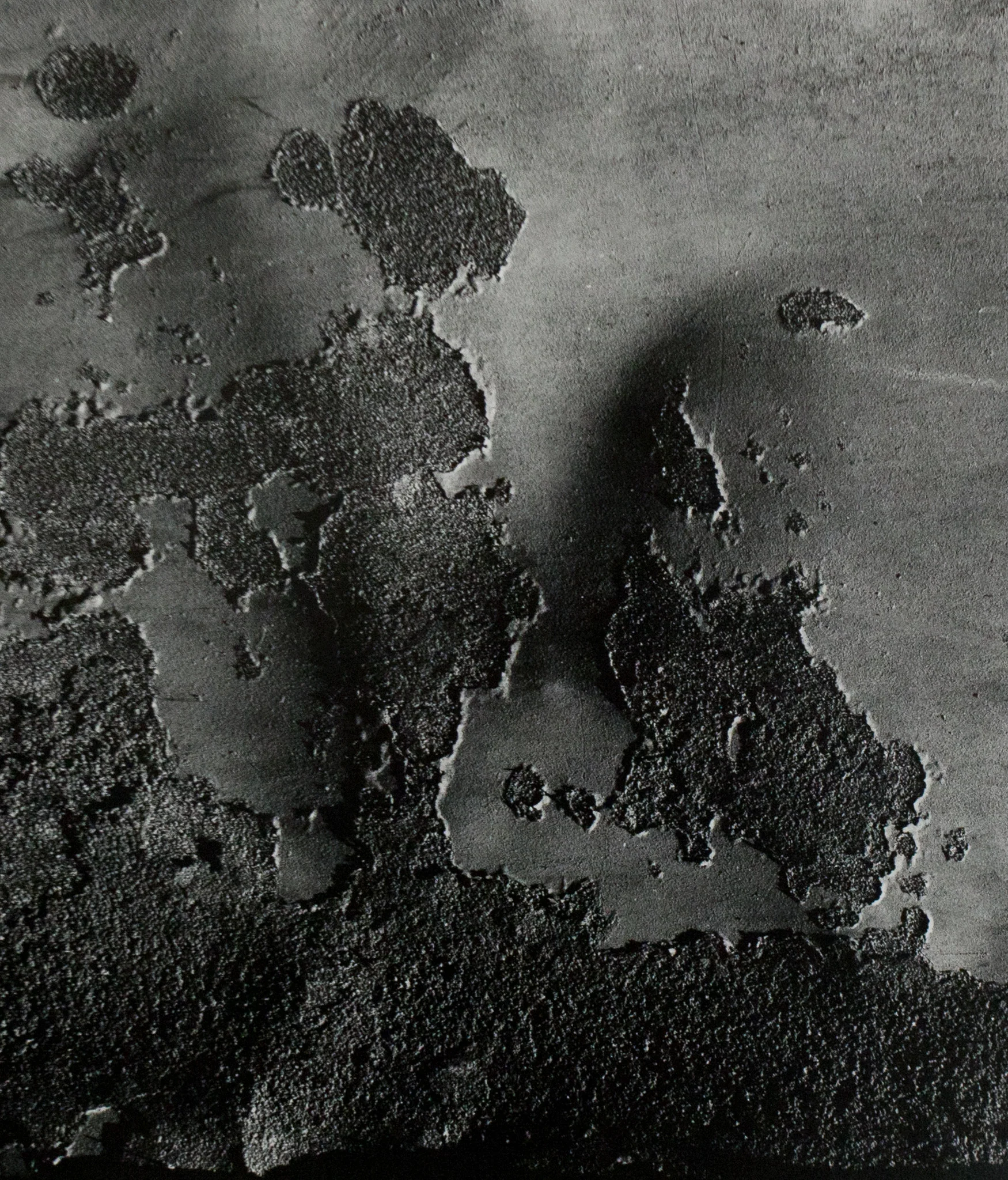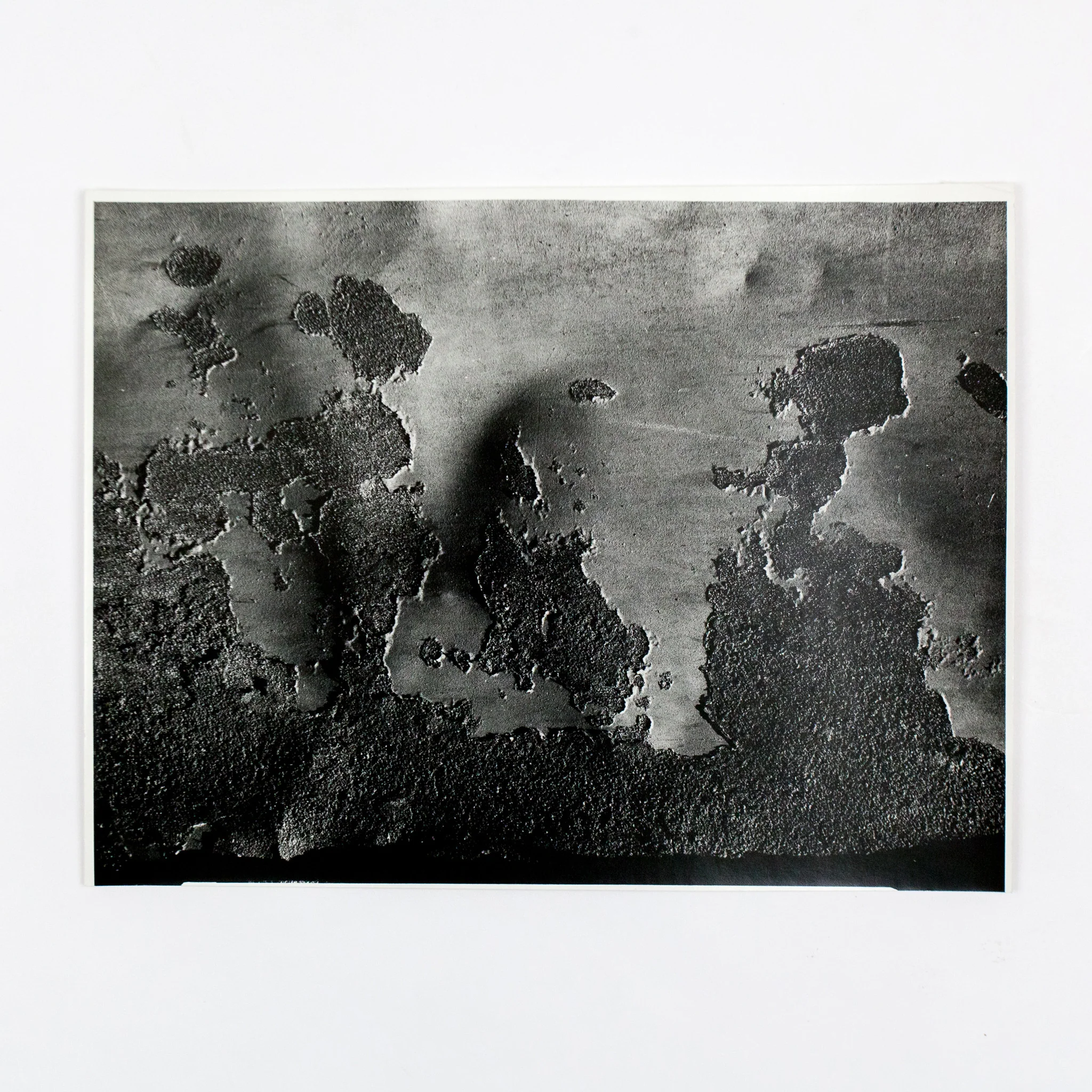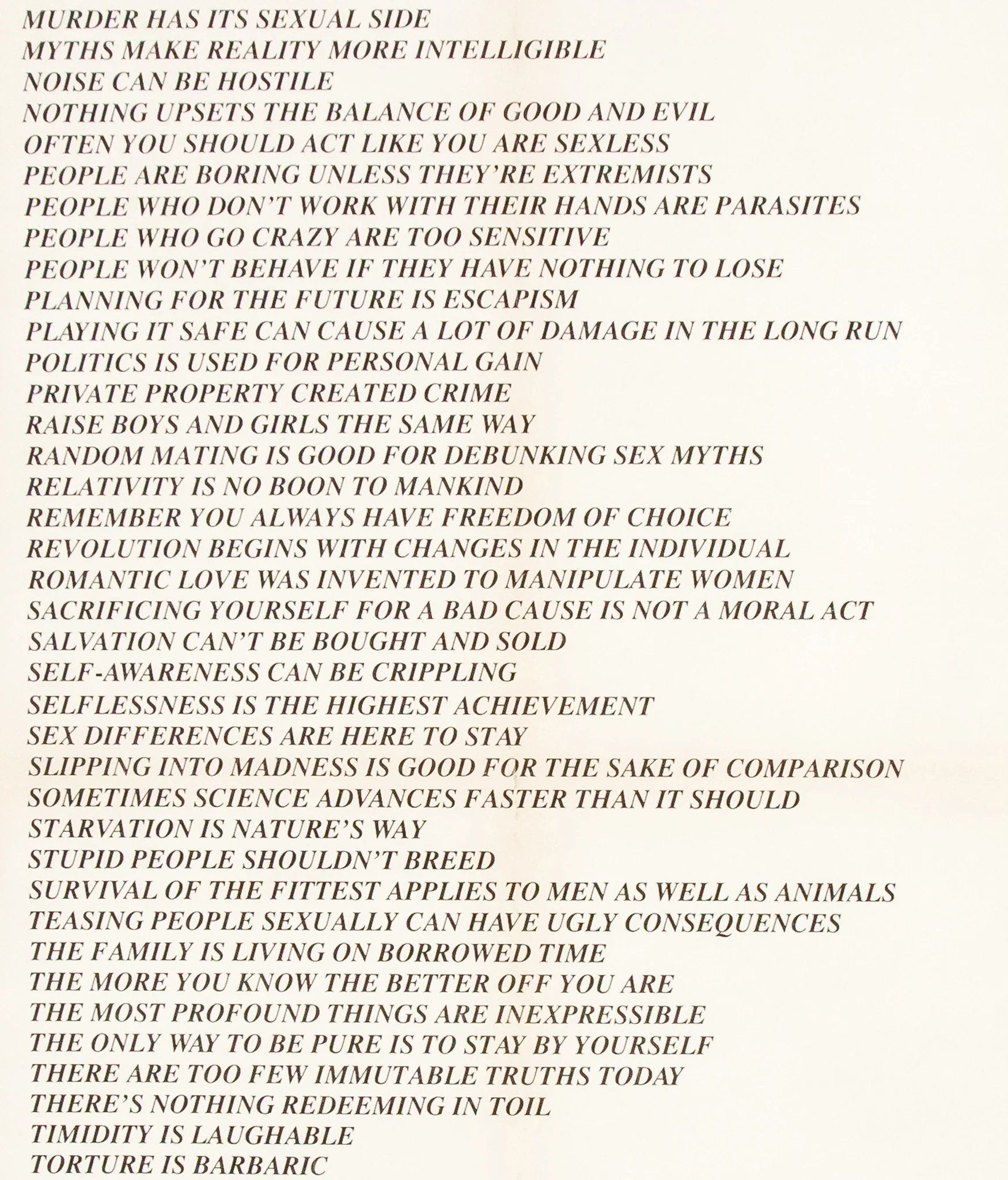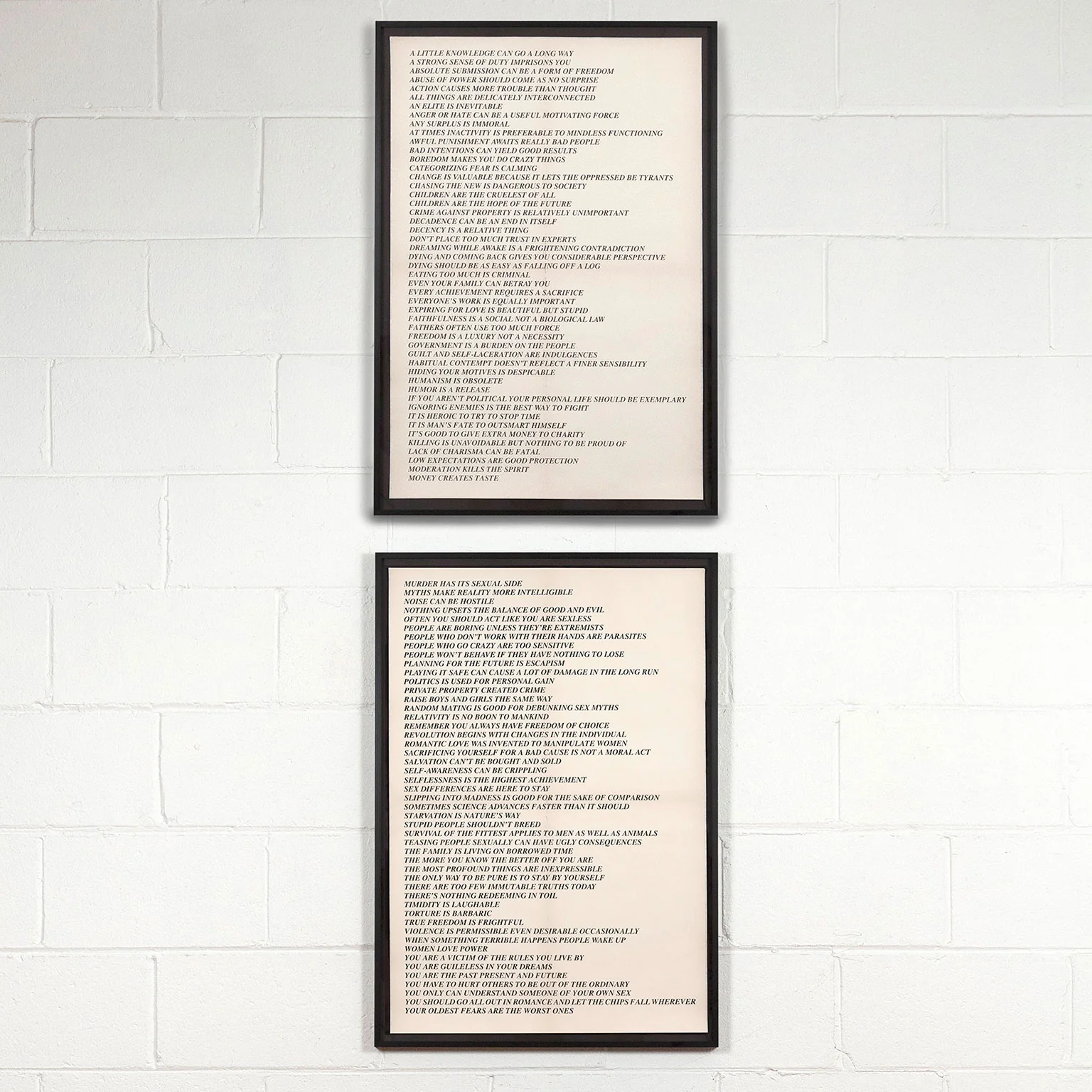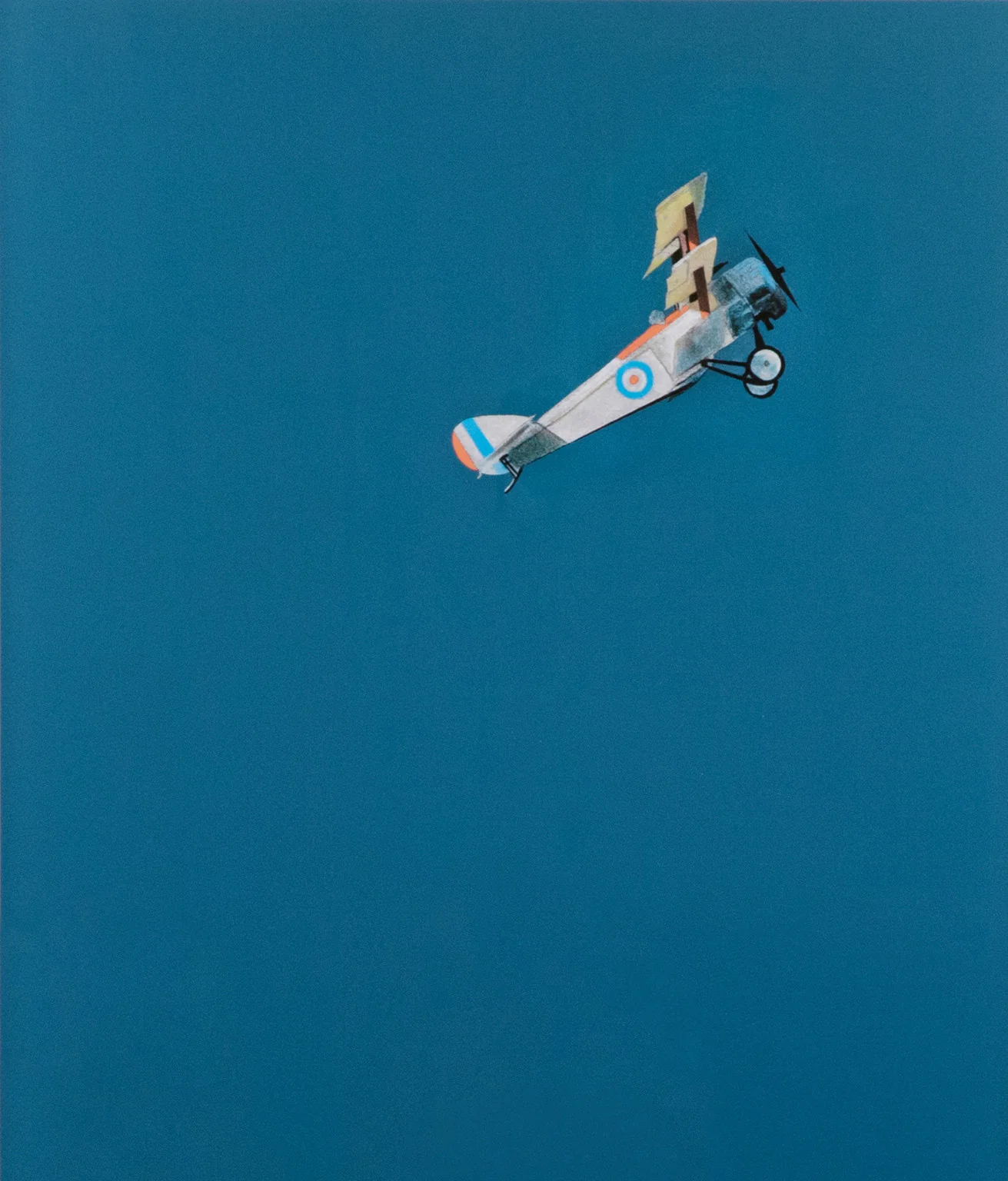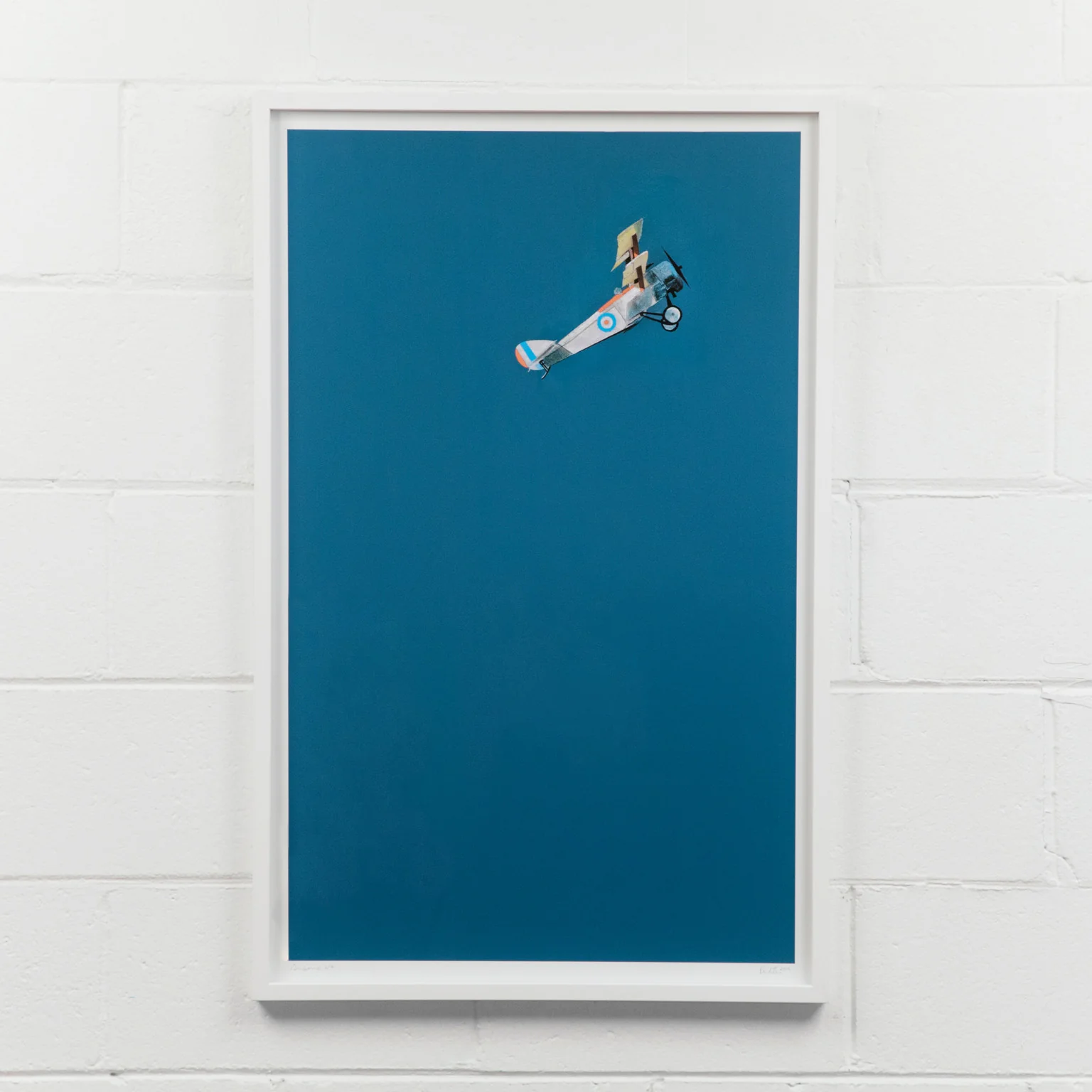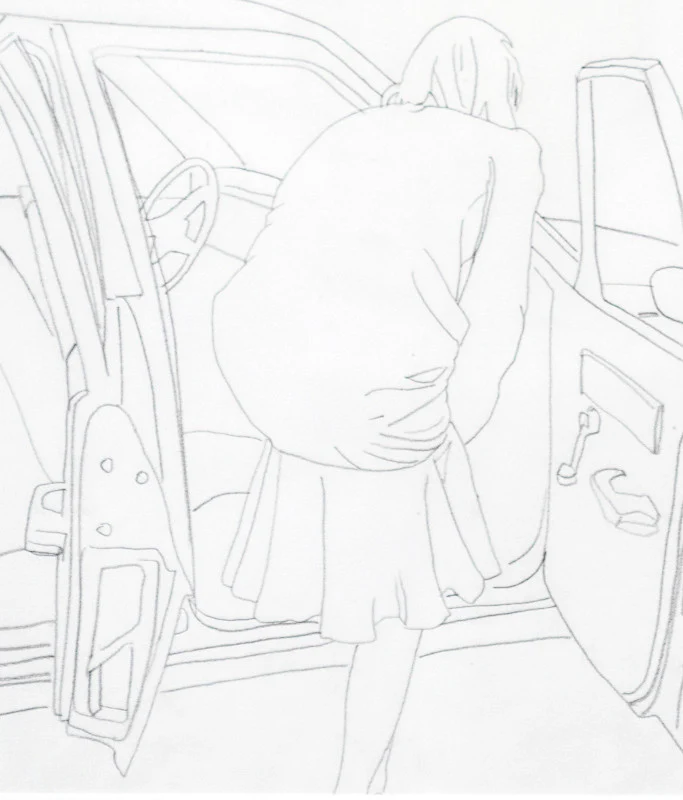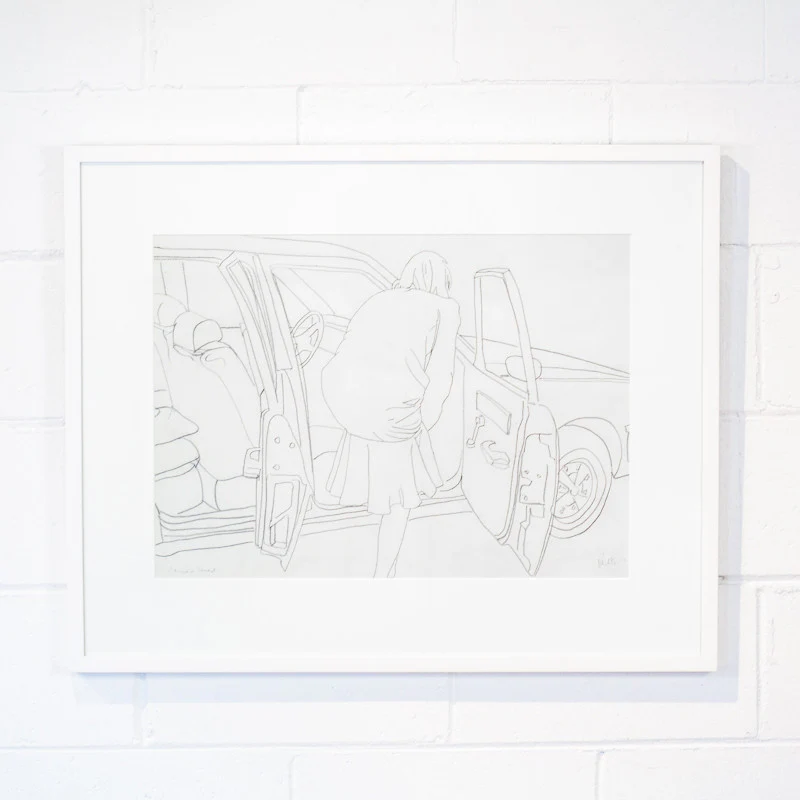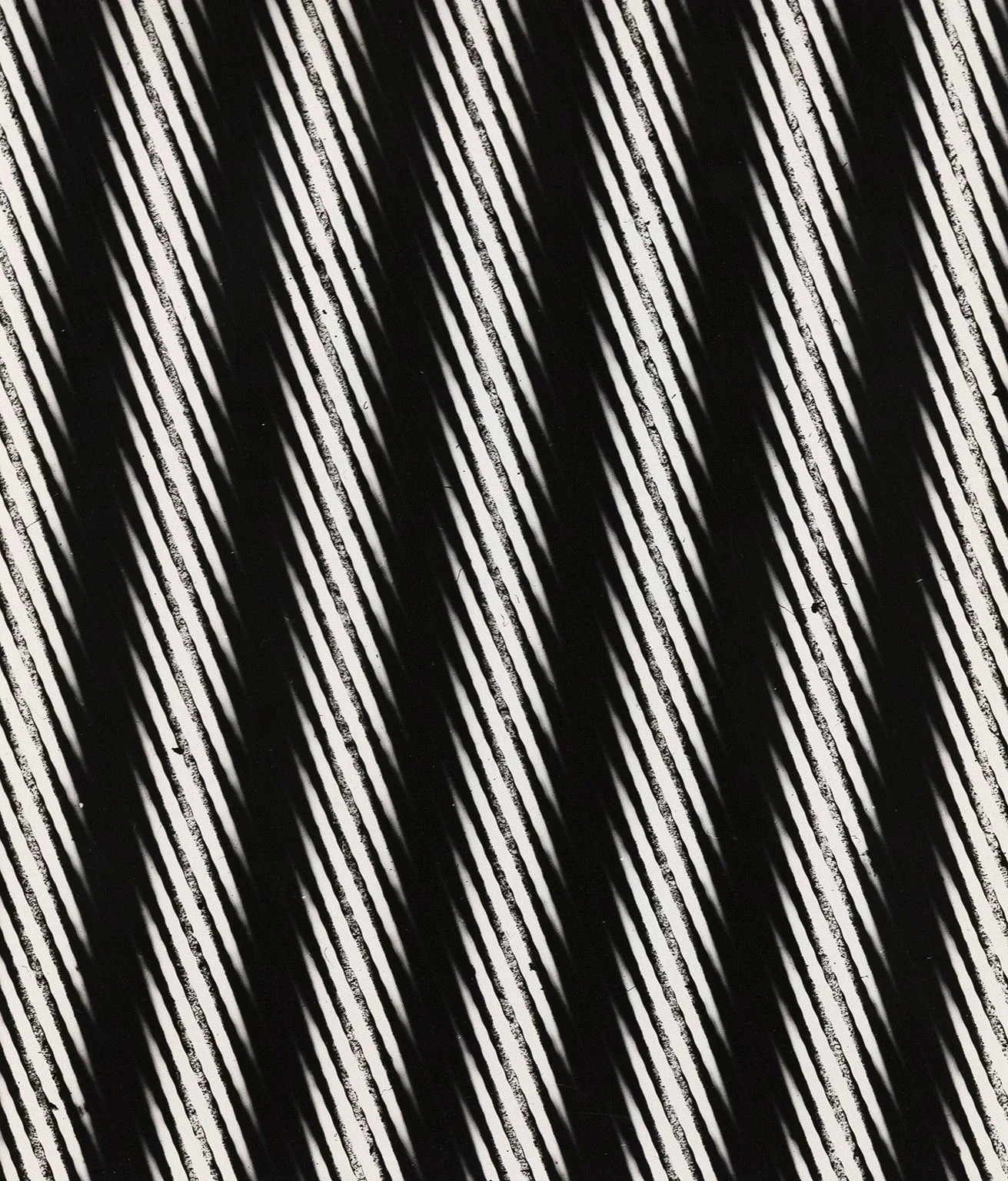
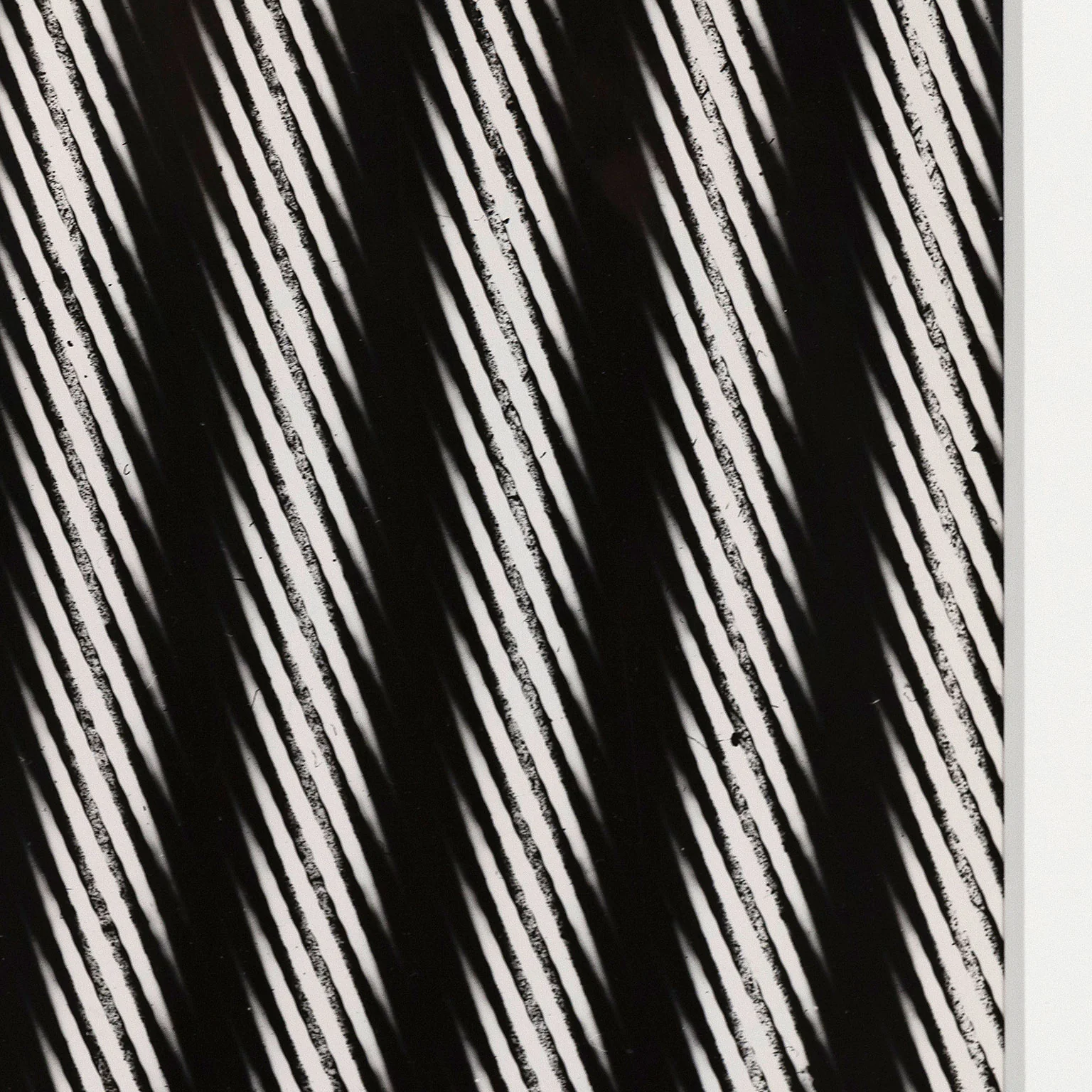
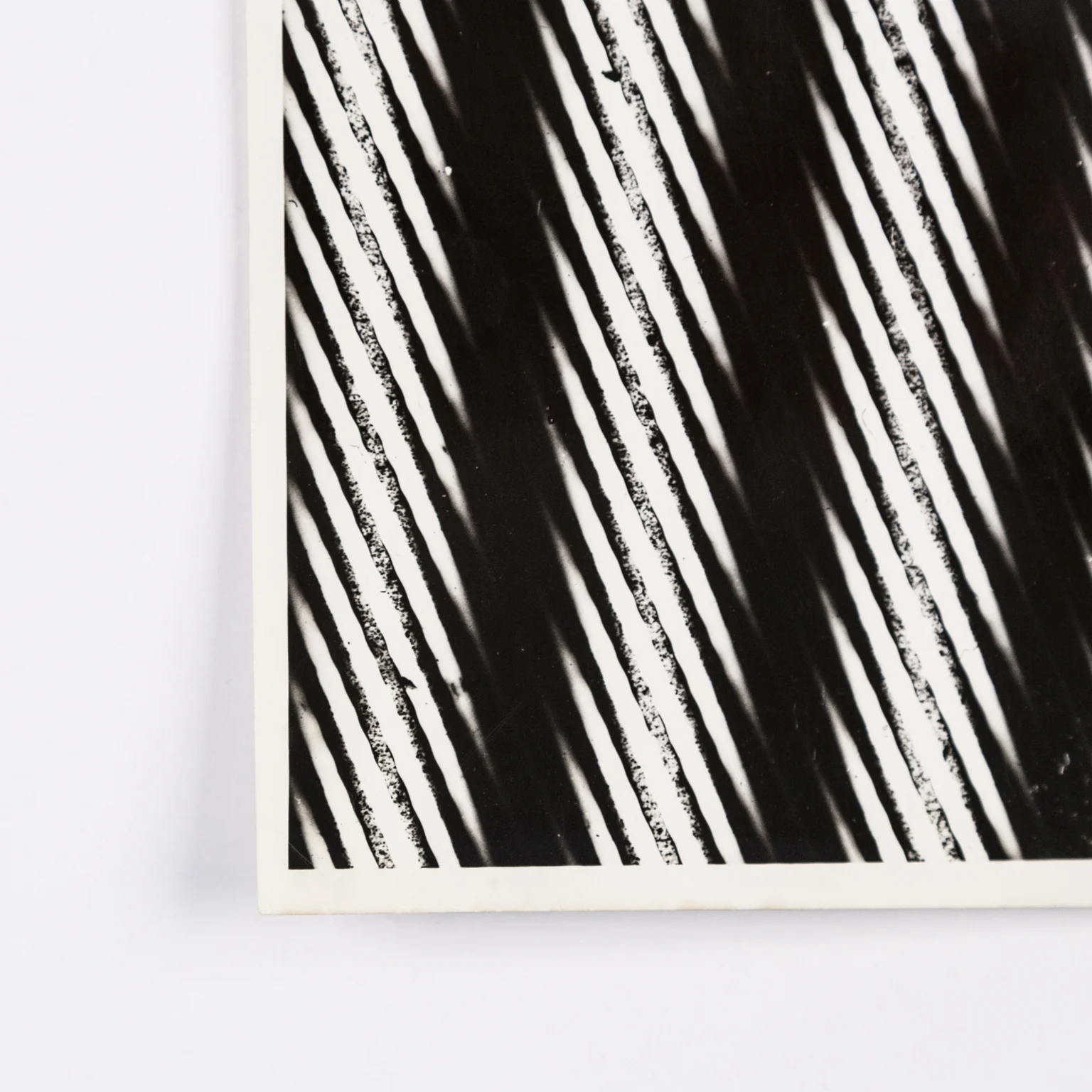
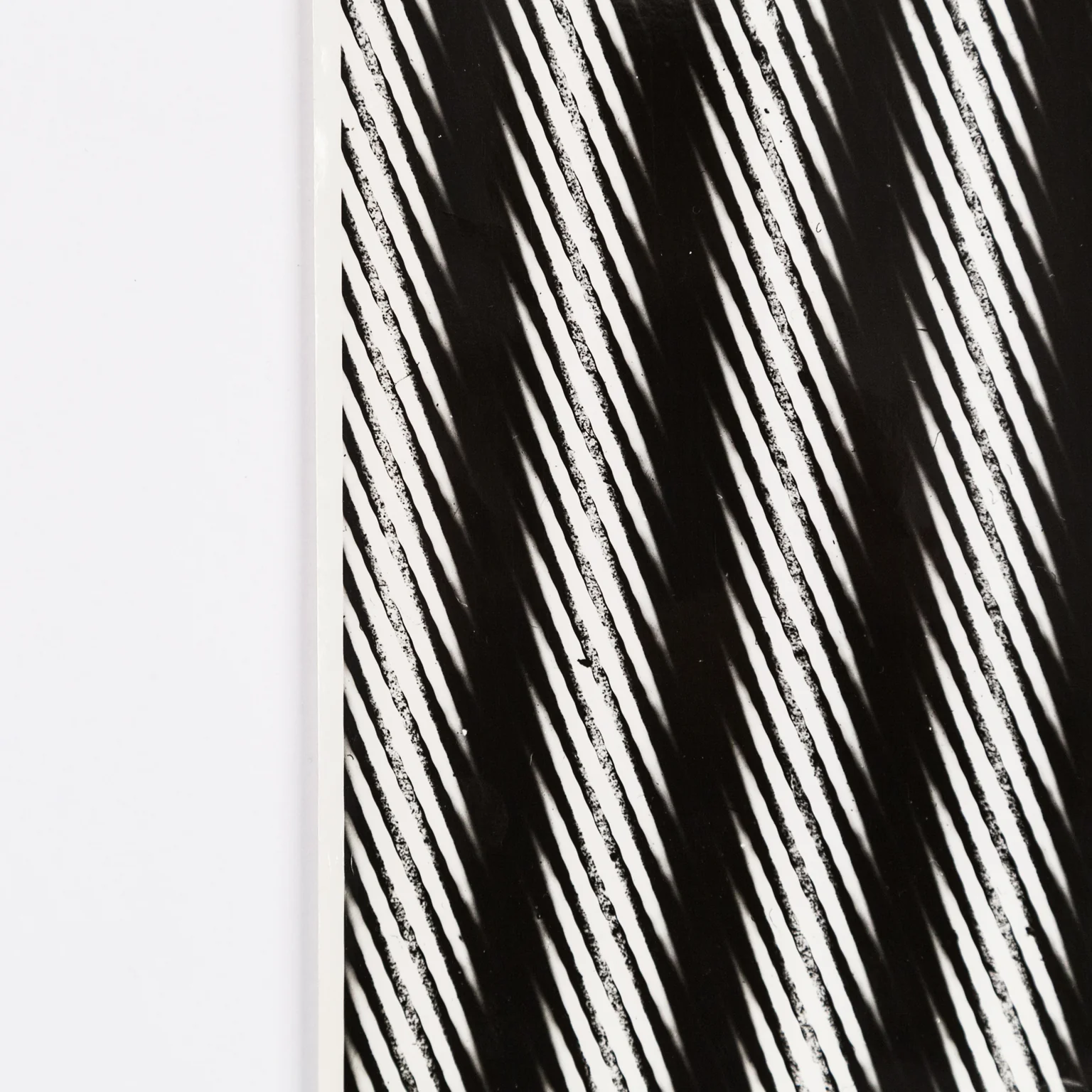
WEEGEE "DISTORTION: STRIPES" C. 1955
Photographer. Artist. Photojournalist.
Whichever way you try to categorize Weegee (1899-1968), the more you know about him, the more difficult it is contain him within a single definition.
Weegee began shooting scenes of crime, drama, tragedy and depravity throughout New York City in the 1930s for Acme newspapers. In 1935 he became a freelancer, mostly contributing to PM magazine. While his nickname derived from his sixth-sense like ability to find and capture urban mayhem, in 1938 he was granted permission to install a police radio in his car. This certainly facilitated capturing the most violent episodes as a first-responder/journalist.
Weegee was celebrated in his age. The New York Photo League exhibited his work in 1941 and he was included in the MoMA's seminal exhibition "50 Photographs by 50 Photographers" (curated by Edward Steichen) In 1945 Weegee published his widely admired and commercially successful "Naked City".
Yet shortly after the book's release Weegee abandoned crime photography and moved to Los Angeles.
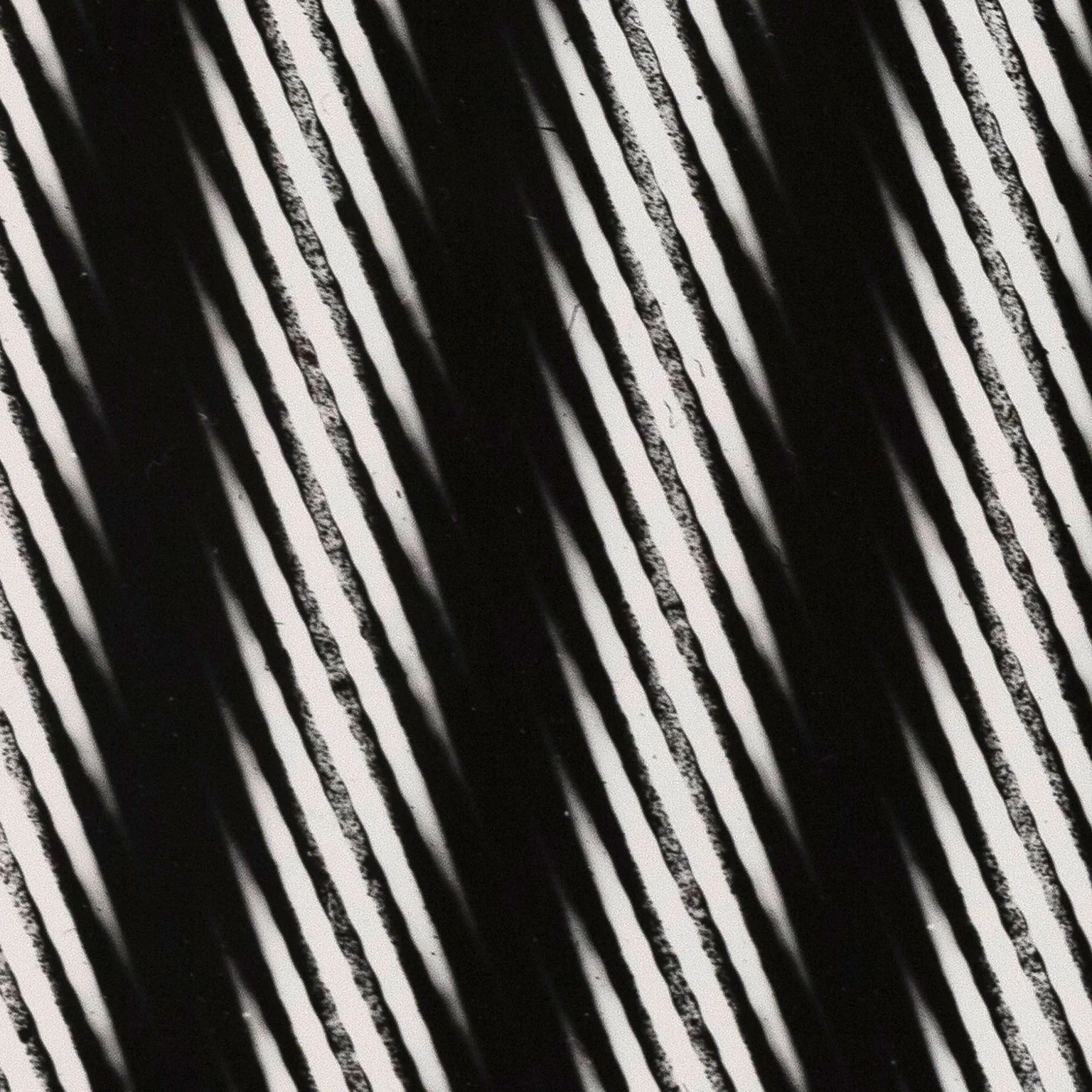
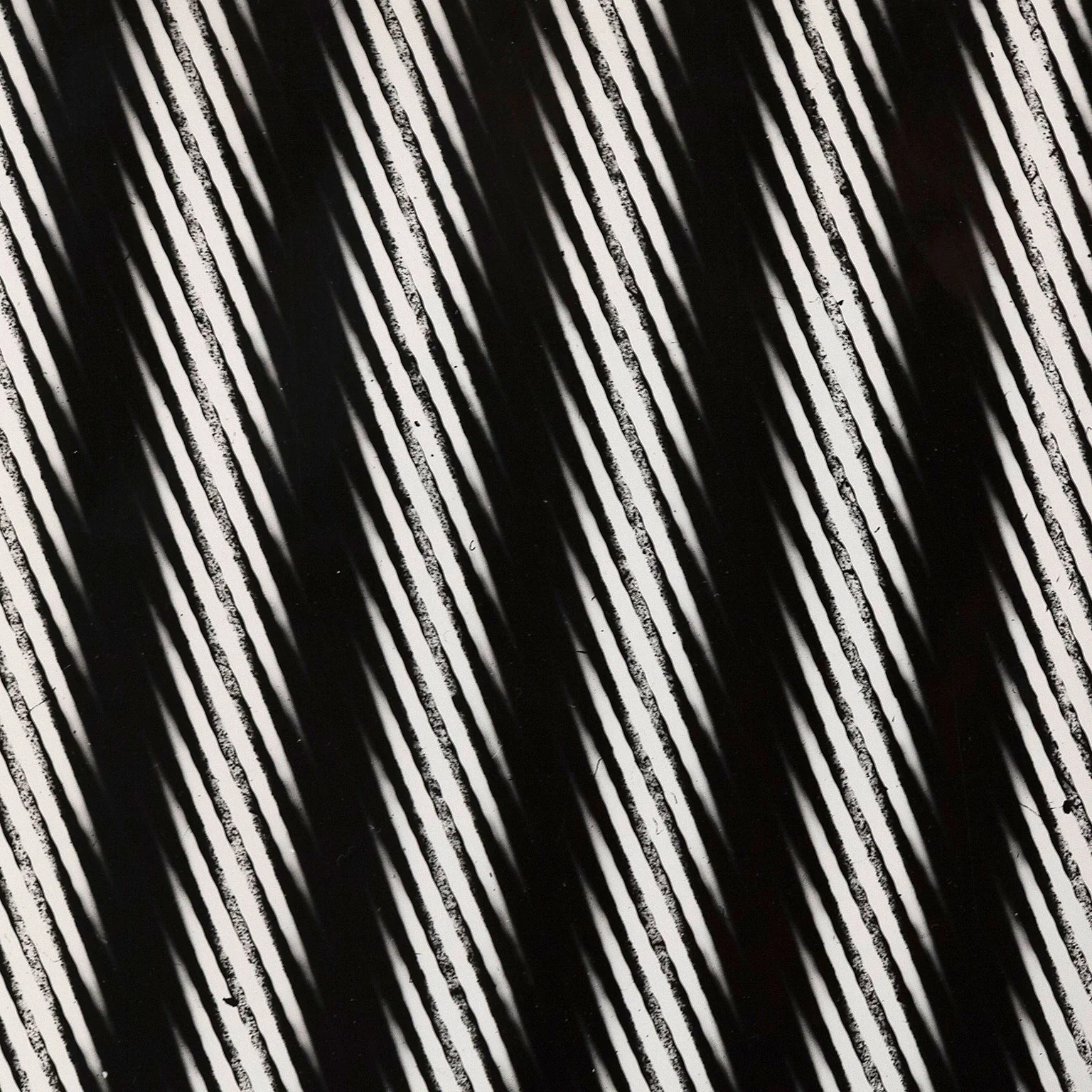
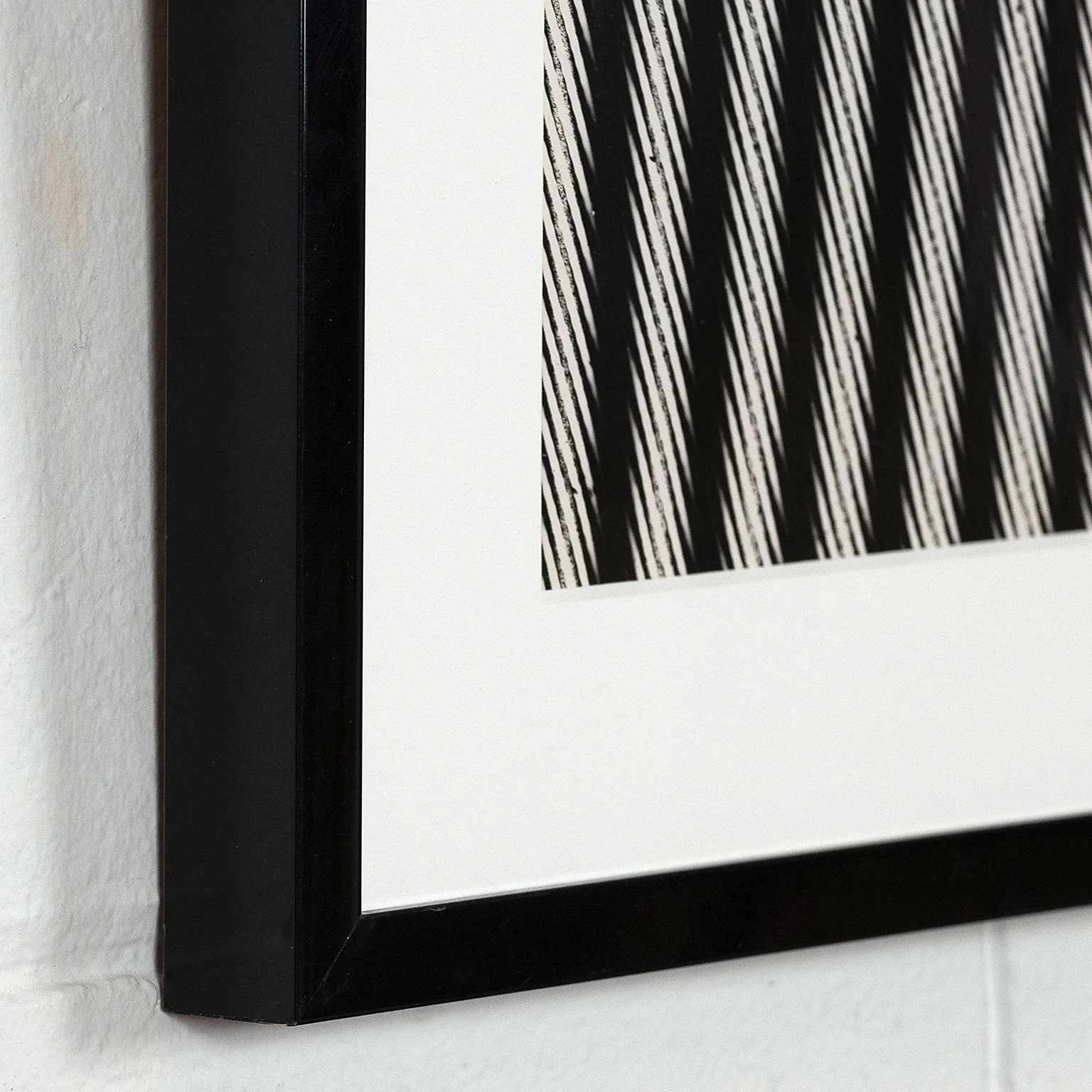
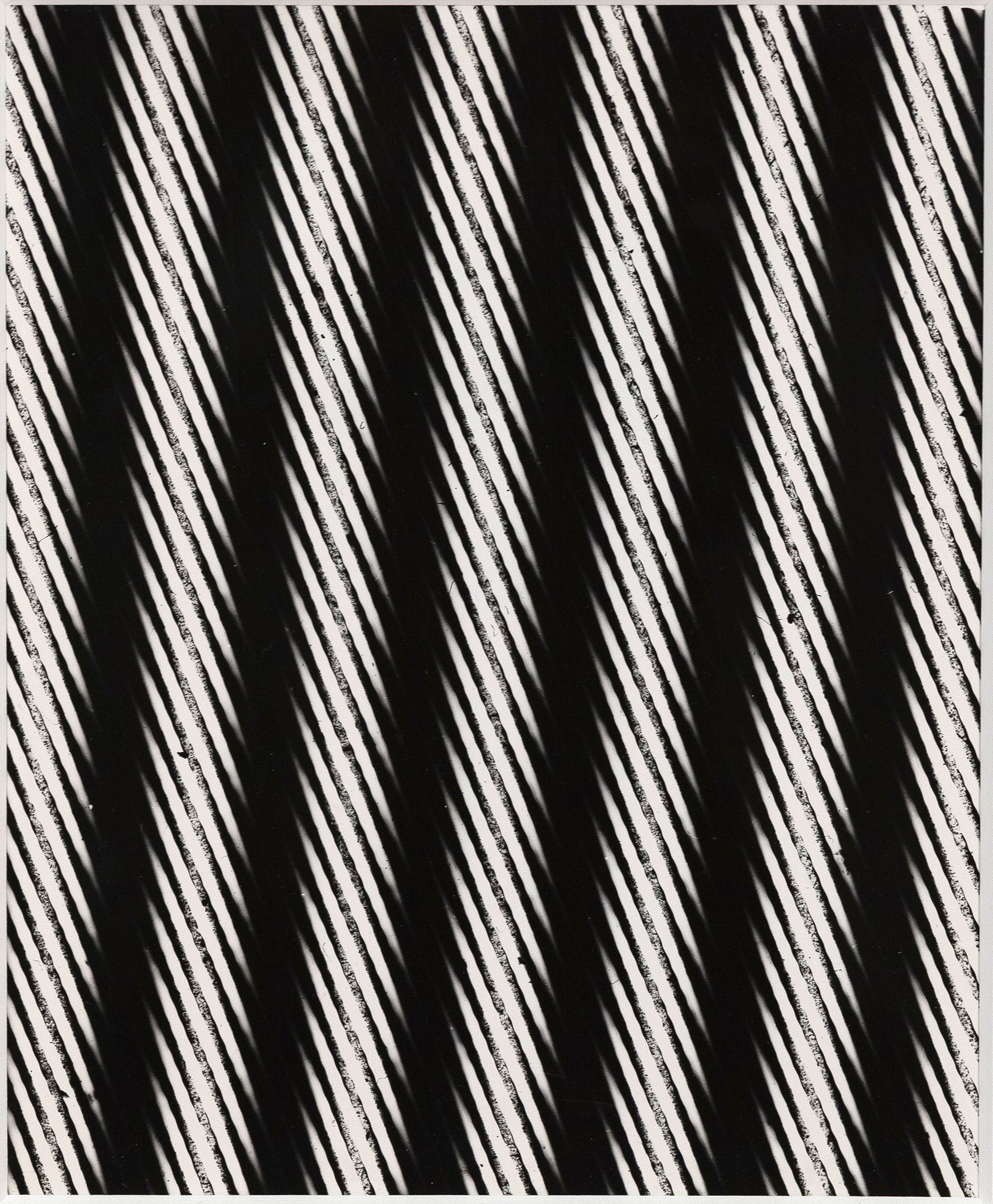
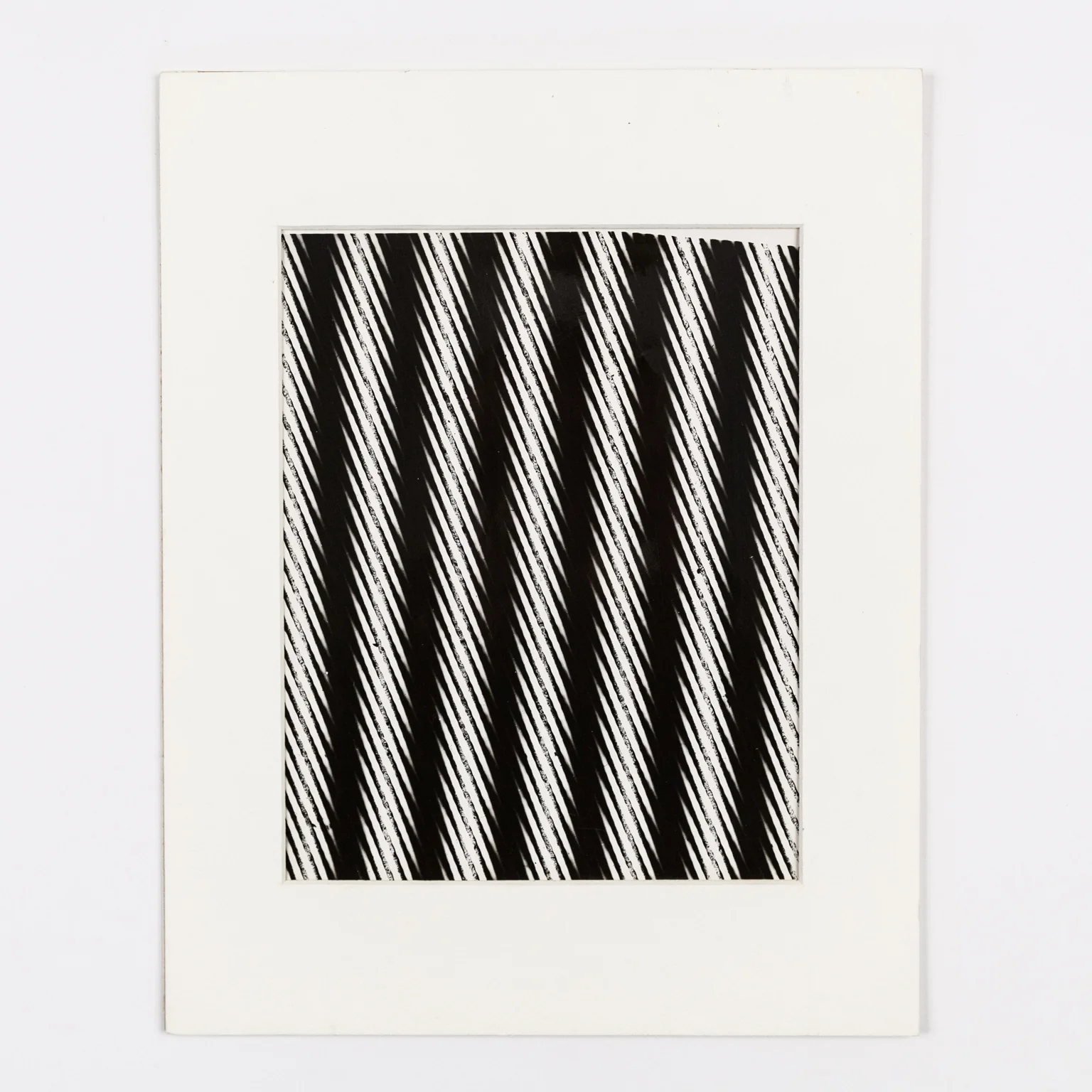
In L.A. Weegee's relationship with the medium experienced a radical shift. He begins experimentations in abstraction, distortions and engages with disrupting the photo development process in order to create non-figural works. Some scholars have suggested that Weegee was following the avant-garde and art world as he shifted to abstraction.
This work is a paradigm of Weegee's mid-century abstract work.
It is an ideal piece for a young collection of photography.
Questions about this piece? Contact us or call +1.416.704.1720
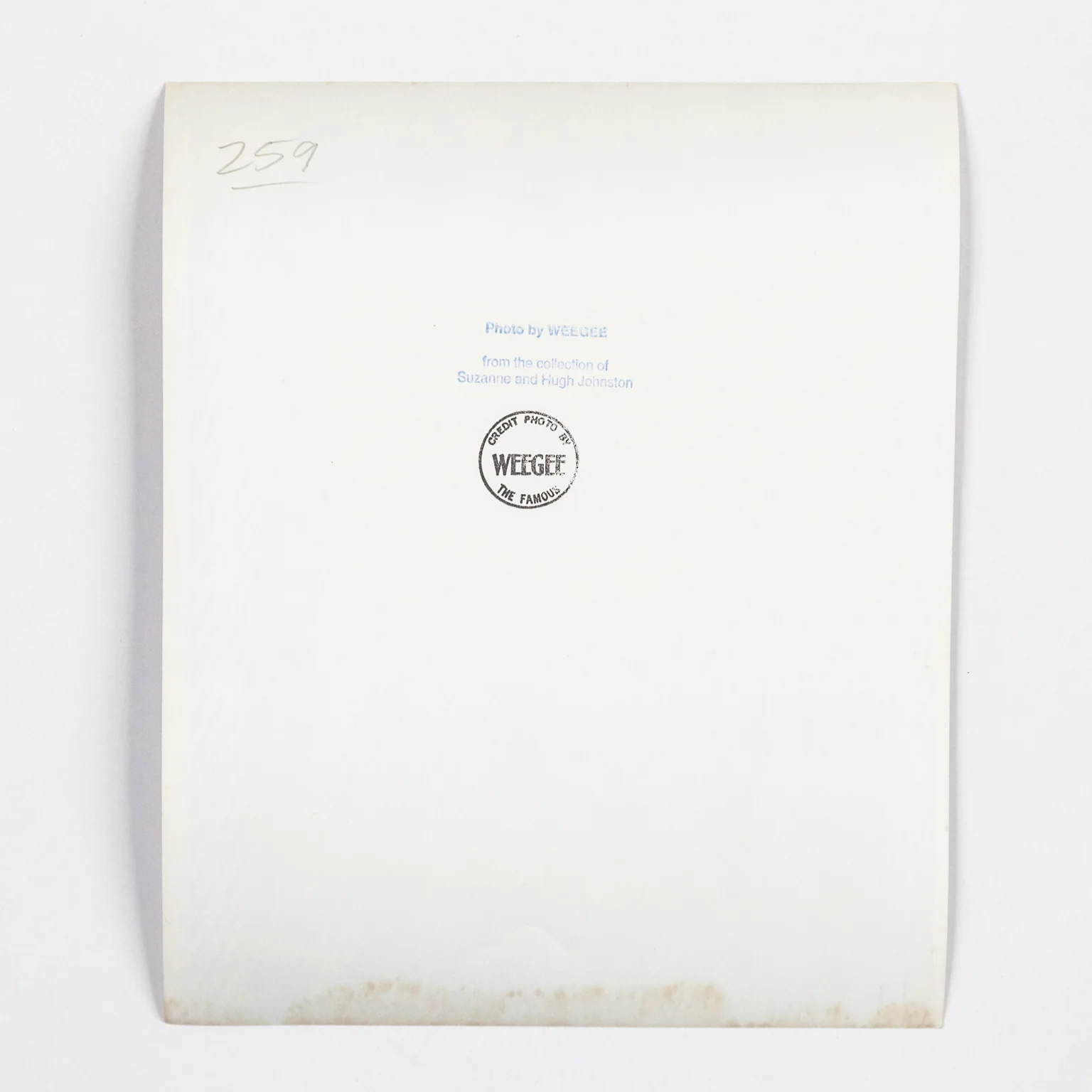
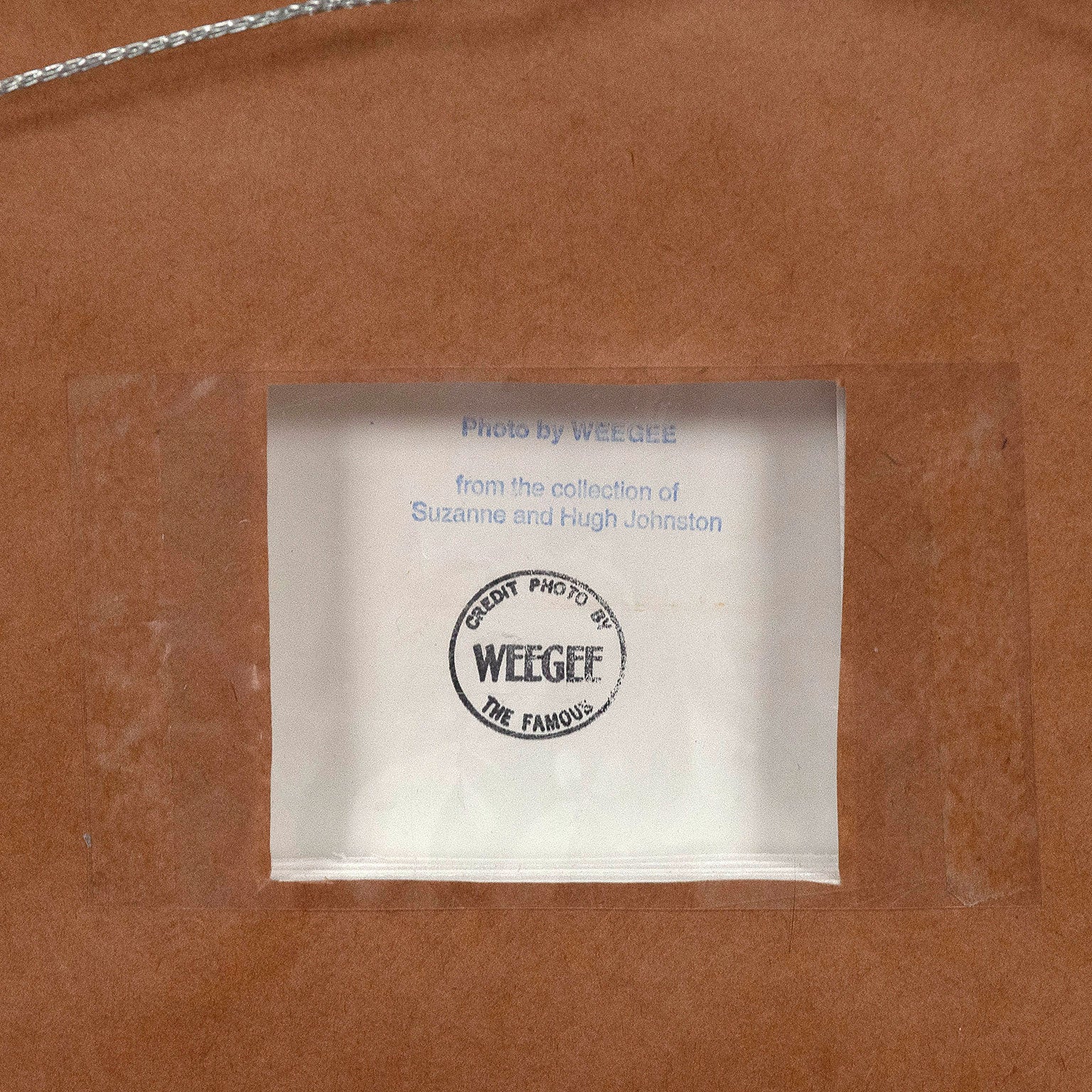
Provenance: From the Collection of Hugh and Suzanne Johnston, Princeton, New Jersey
Gelatin silver print
USA, circa 1955
9"H 7.25"W (work)
15.5"H 14"W (framed)
Framed with museum glass
Very good condition
More Images
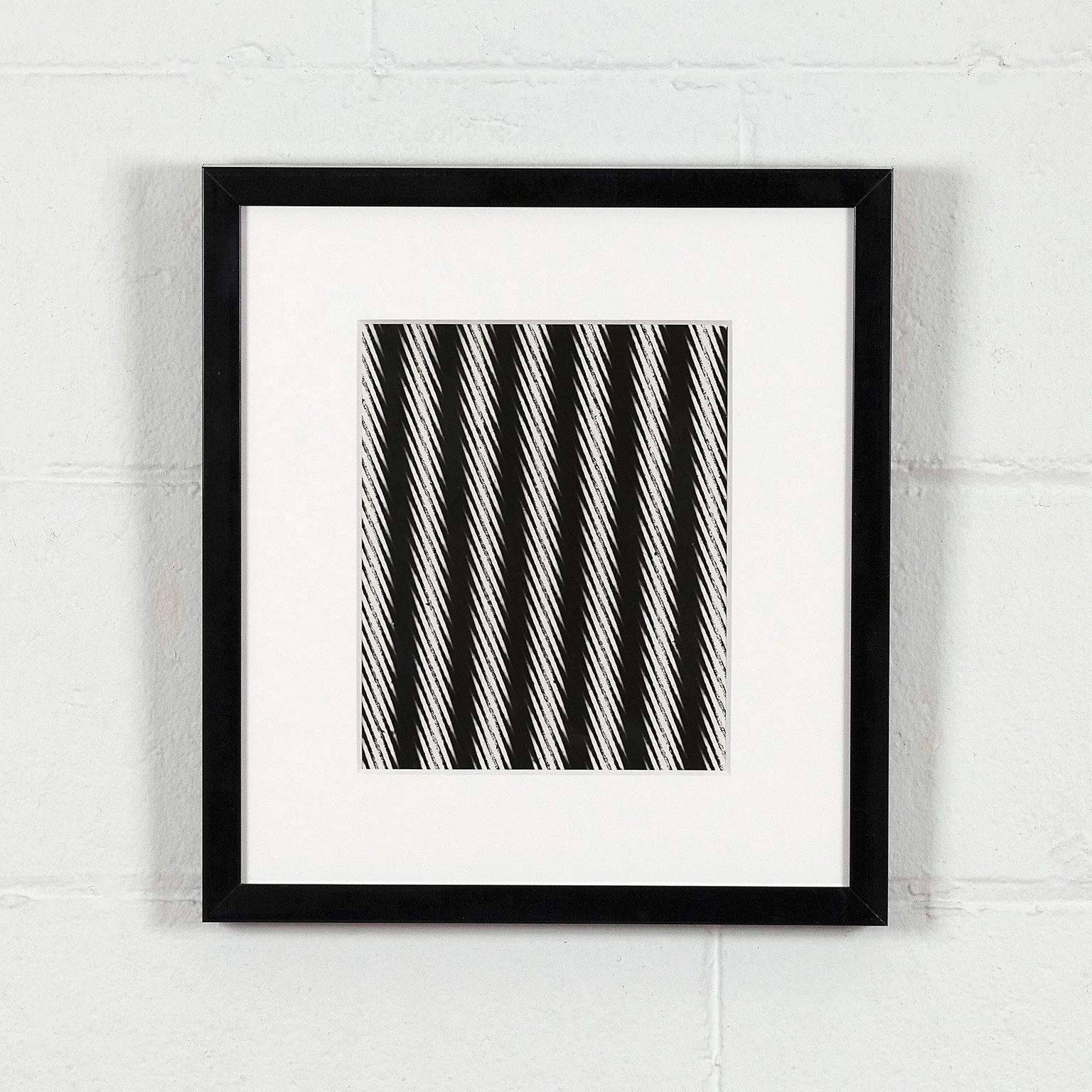
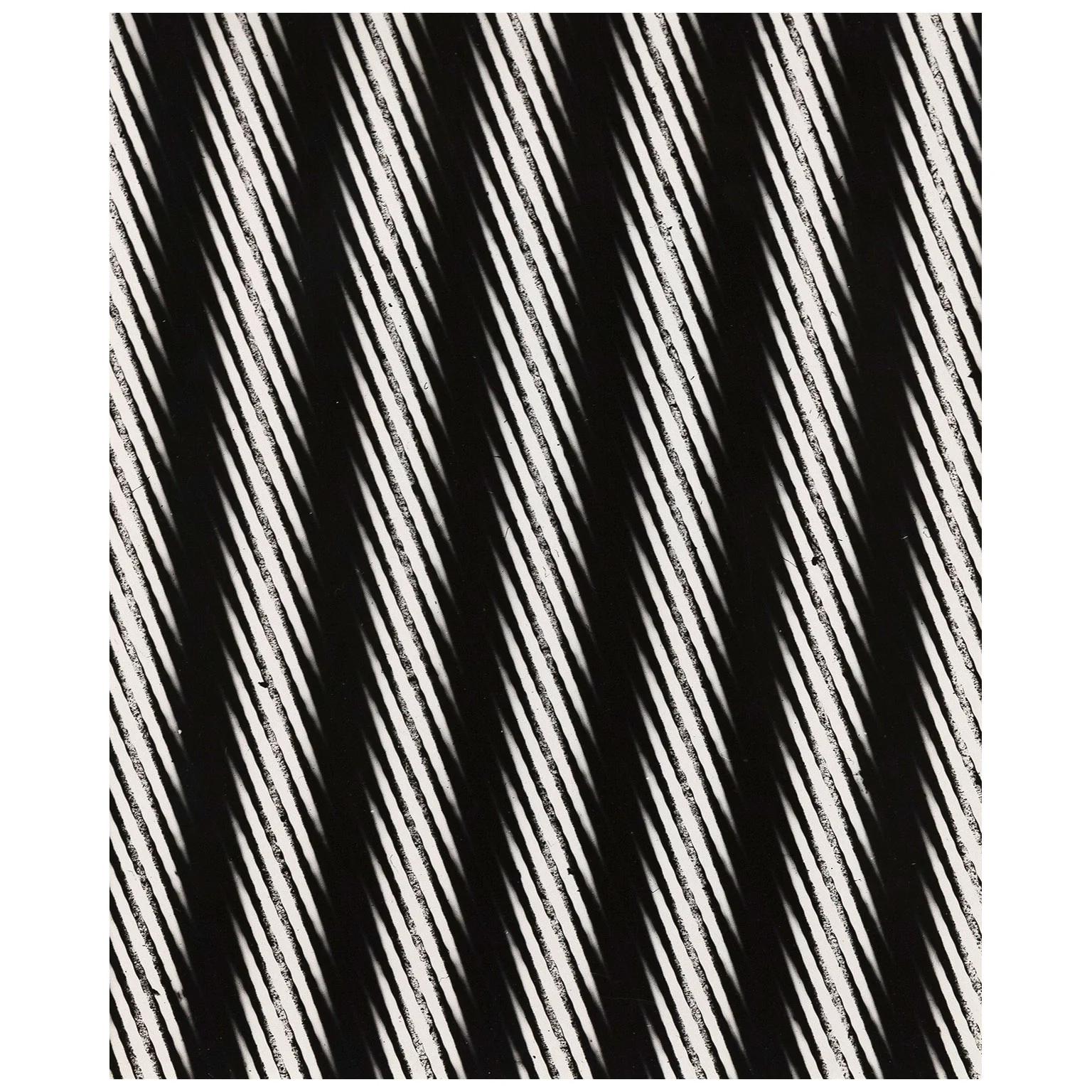
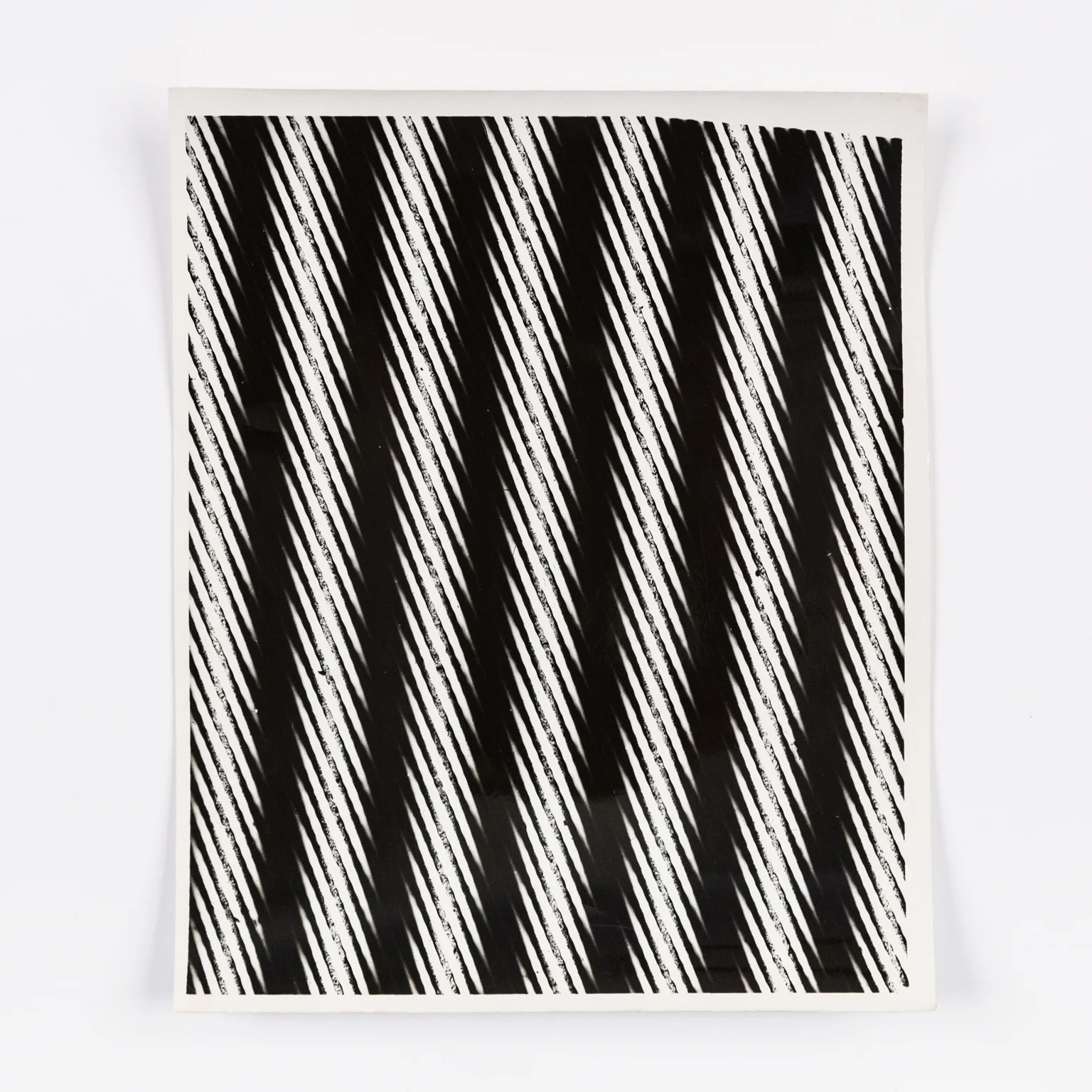
WEEGEE "DISTORTION: STRIPES" C. 1955
Photographer. Artist. Photojournalist.
Whichever way you try to categorize Weegee (1899-1968), the more you know about him, the more difficult it is contain him within a single definition.
Weegee began shooting scenes of crime, drama, tragedy and depravity throughout New York City in the 1930s for Acme newspapers. In 1935 he became a freelancer, mostly contributing to PM magazine. While his nickname derived from his sixth-sense like ability to find and capture urban mayhem, in 1938 he was granted permission to install a police radio in his car. This certainly facilitated capturing the most violent episodes as a first-responder/journalist.
Weegee was celebrated in his age. The New York Photo League exhibited his work in 1941 and he was included in the MoMA's seminal exhibition "50 Photographs by 50 Photographers" (curated by Edward Steichen) In 1945 Weegee published his widely admired and commercially successful "Naked City".
Yet shortly after the book's release Weegee abandoned crime photography and moved to Los Angeles.
In L.A. Weegee's relationship with the medium experienced a radical shift. He begins experimentations in abstraction, distortions and engages with disrupting the photo development process in order to create non-figural works. Some scholars have suggested that Weegee was following the avant-garde and art world as he shifted to abstraction.
This work is a paradigm of Weegee's mid-century abstract work.
It is an ideal piece for a young collection of photography.
Questions about this piece? Contact us or call +1.416.704.1720
Provenance: From the Collection of Hugh and Suzanne Johnston, Princeton, New Jersey
Gelatin silver print
USA, circa 1955
9"H 7.25"W (work)
15.5"H 14"W (framed)
Framed with museum glass
Very good condition
Product Information
Product Information
Shipping & Returns
Shipping & Returns
Description
Photographer. Artist. Photojournalist.
Whichever way you try to categorize Weegee (1899-1968), the more you know about him, the more difficult it is contain him within a single definition.
Weegee began shooting scenes of crime, drama, tragedy and depravity throughout New York City in the 1930s for Acme newspapers. In 1935 he became a freelancer, mostly contributing to PM magazine. While his nickname derived from his sixth-sense like ability to find and capture urban mayhem, in 1938 he was granted permission to install a police radio in his car. This certainly facilitated capturing the most violent episodes as a first-responder/journalist.
Weegee was celebrated in his age. The New York Photo League exhibited his work in 1941 and he was included in the MoMA's seminal exhibition "50 Photographs by 50 Photographers" (curated by Edward Steichen) In 1945 Weegee published his widely admired and commercially successful "Naked City".
Yet shortly after the book's release Weegee abandoned crime photography and moved to Los Angeles.
In L.A. Weegee's relationship with the medium experienced a radical shift. He begins experimentations in abstraction, distortions and engages with disrupting the photo development process in order to create non-figural works. Some scholars have suggested that Weegee was following the avant-garde and art world as he shifted to abstraction.
This work is a paradigm of Weegee's mid-century abstract work.
It is an ideal piece for a young collection of photography.
Questions about this piece? Contact us or call +1.416.704.1720
Provenance: From the Collection of Hugh and Suzanne Johnston, Princeton, New Jersey
Gelatin silver print
USA, circa 1955
9"H 7.25"W (work)
15.5"H 14"W (framed)
Framed with museum glass
Very good condition