WEEGEE "WATERSKI JUMPER" PHOTO, 1950
Arthur Felling, better known as Weegee (1899-1968) is America's premiere photojournalist and one of the last century's most influential photographers.
He would become famous, beyond New York and news circles, after the publication of his photo books Naked City (1945) and Weegee's People (1946).
Weegee's images of New York City crime, disaster, and tragedy are frequently iconic and highly influential. Less well-known, however, is the work he focused on during the last twenty years of his life: known as the 'distortions' period. In the late 1940s, Weegee began experimenting with photographic manipulation both in the darkroom and using an array of filters, many of which were his own invention, on his camera.
Weegee created distortions of a wide range of subjects; celebrities, architecture, circus life, and nudes. Of course, one of the overarching themes of his work was the idea of spectacle.
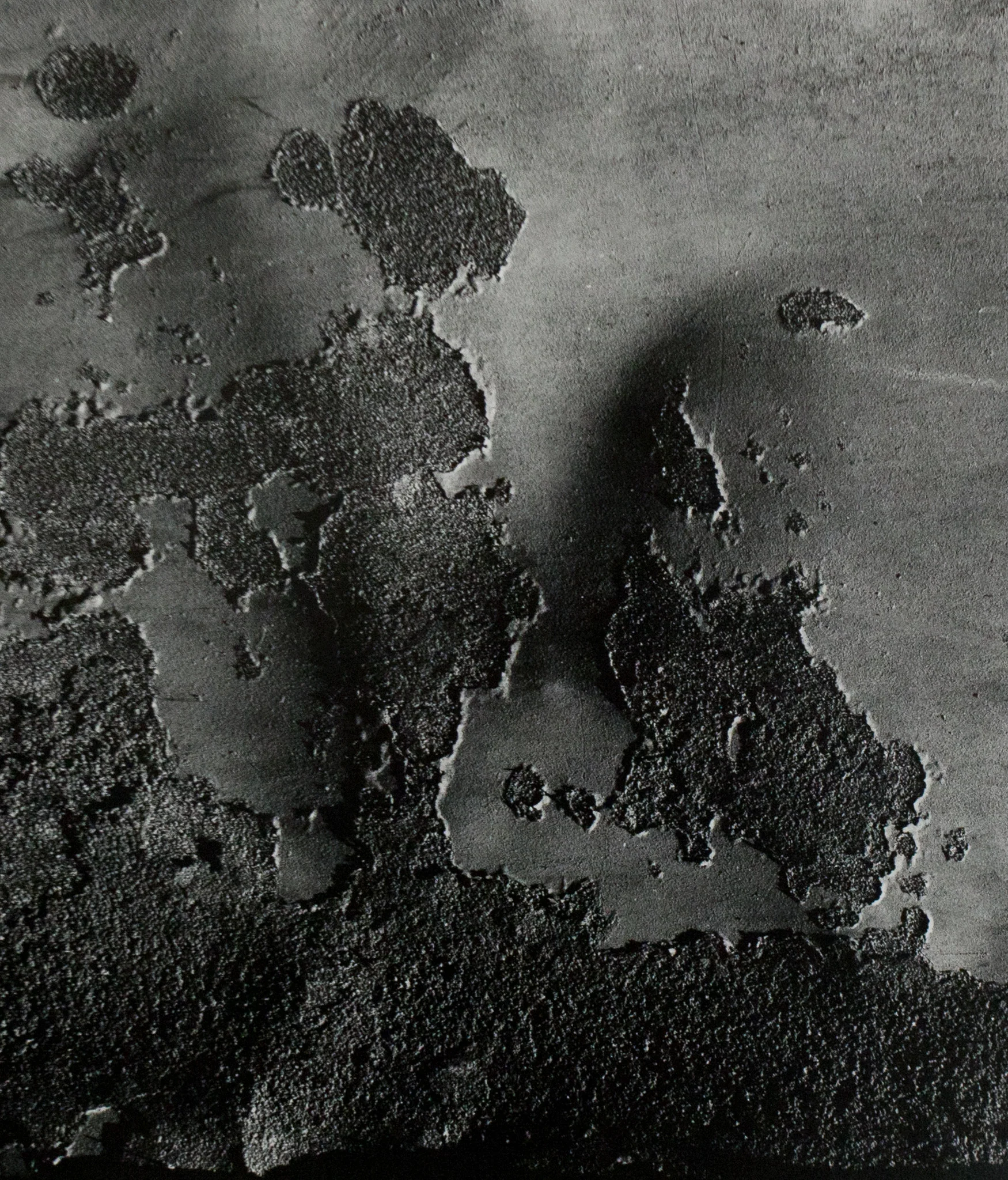
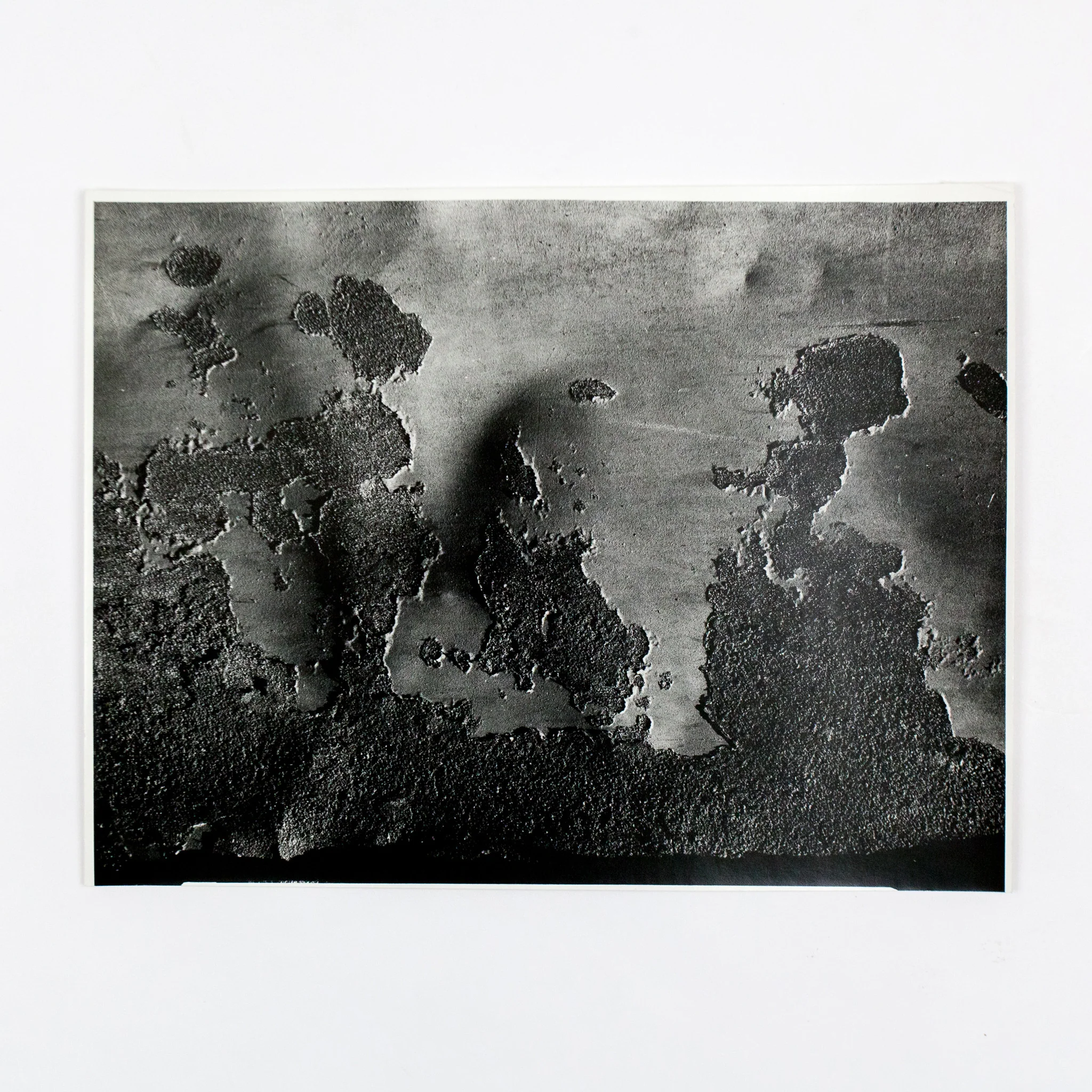
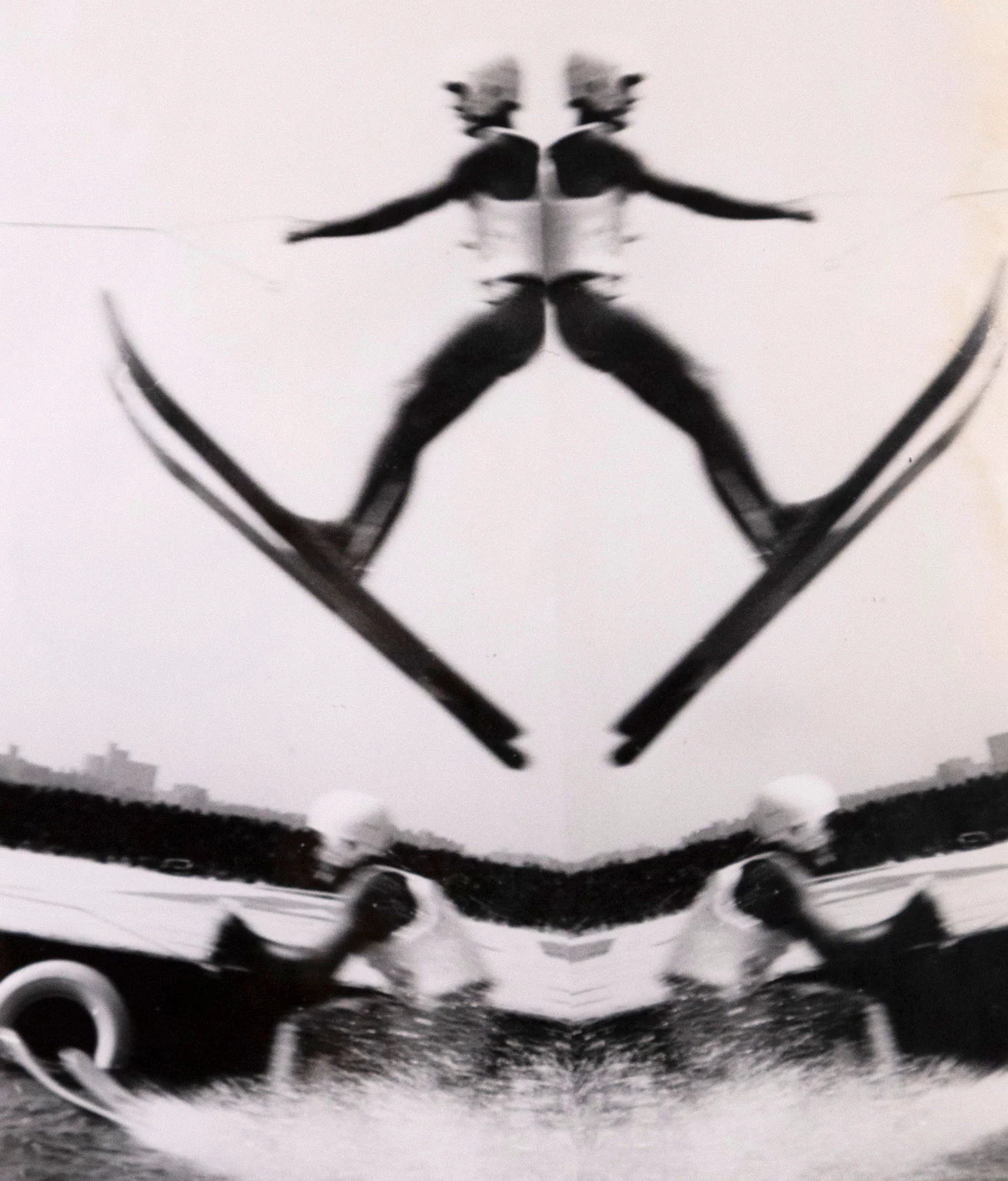
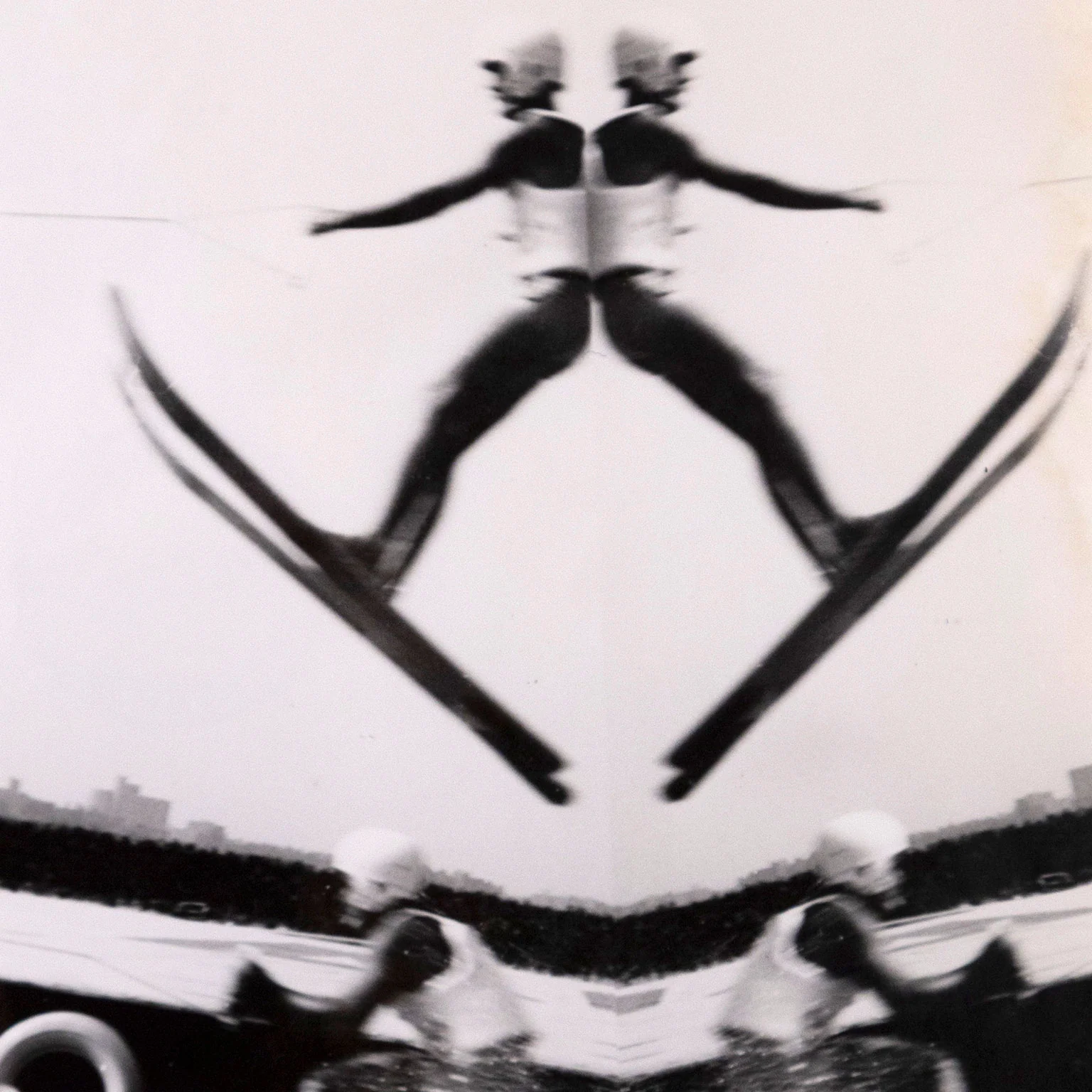
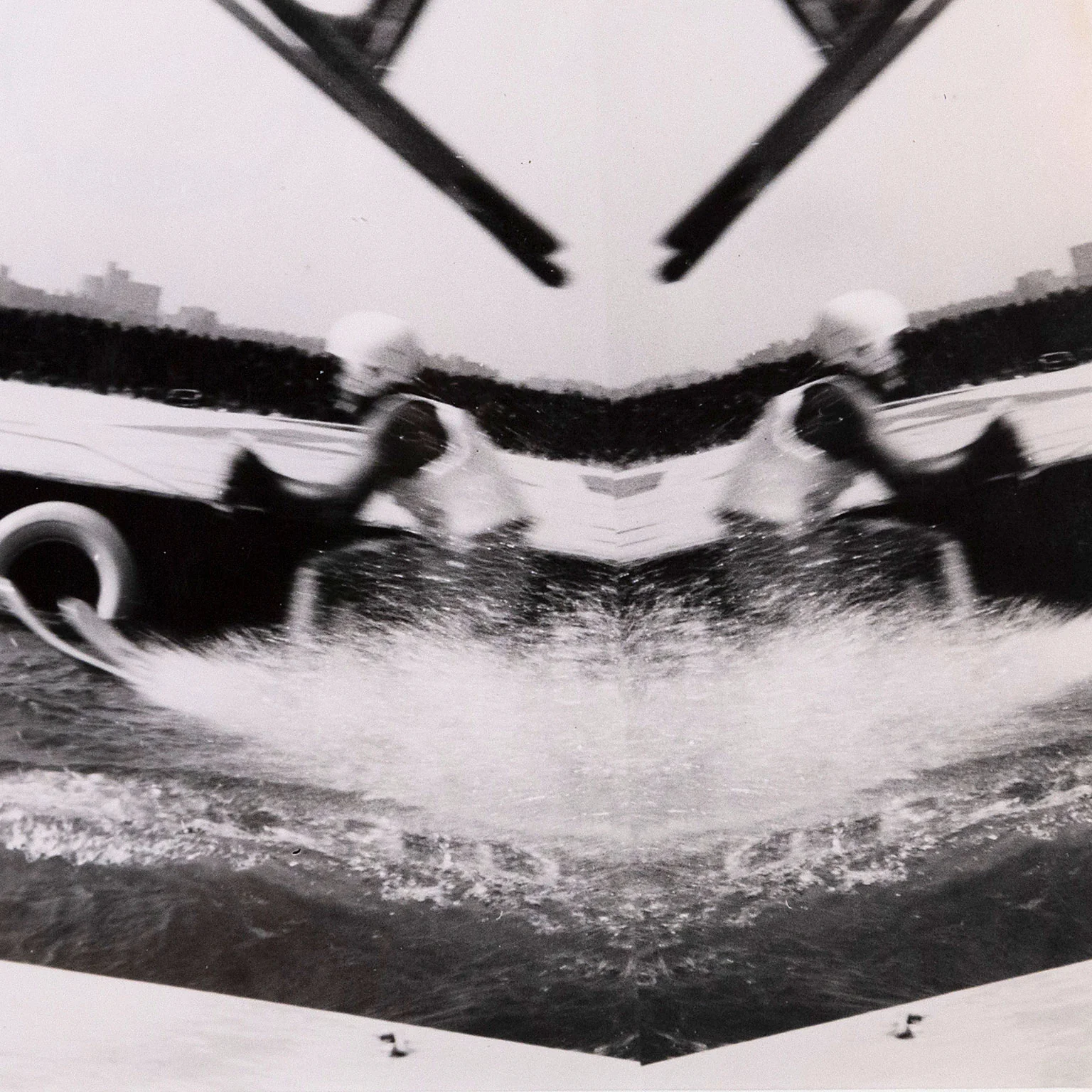
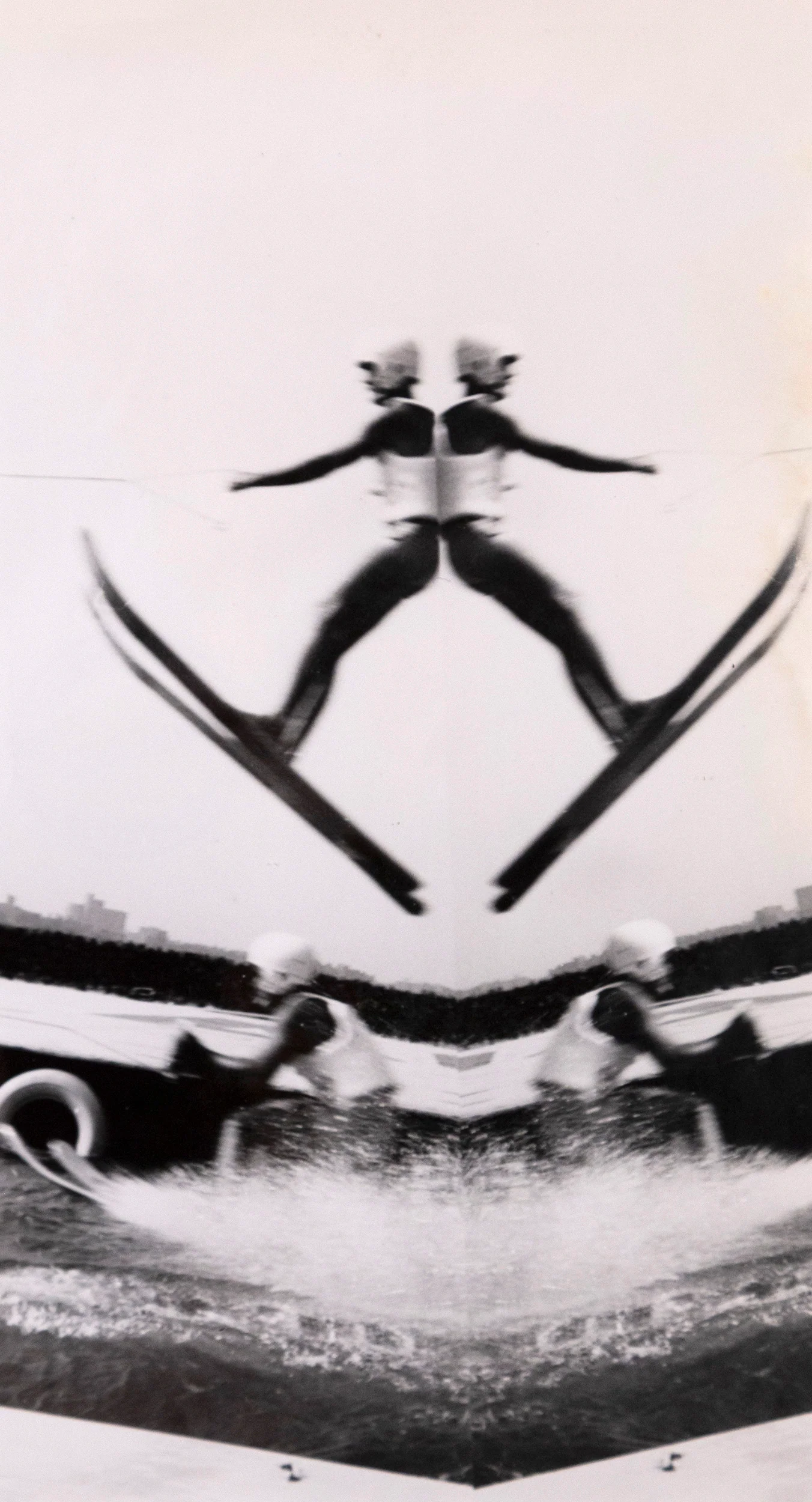
In this evocative distortion, the photograph has been split directly down the center and reflected. It's impossible to tell which side of the image is the original and which side is the reflection.
The dynamic image features two waterskiers, one suspended in the air mid-jump, while the other touches down, prompting a spray of water upon impact. This brief moment of daring motion is distorted into an almost perfectly symmetrical image, with limbs and perspective lines converging at the center for an almost Op Art effect.
Weegee’s photography can be found in scores of museums and private collections worldwide: the J. Paul Getty Museum, Los Angeles; Museum of Modern Art, New York; San Francisco Museum of Modern Art; Museum of Modern Art, Oxford; Museum of Contemporary Art, Los Angeles; International Center of Photography, New York and more.
Questions about this piece? Contact us or call +1.416.704.1720. Visit our Toronto gallery on Thursdays or by appointment.
Untitled "Waterski Jumper"
USA, 1950
Gelatin silver print
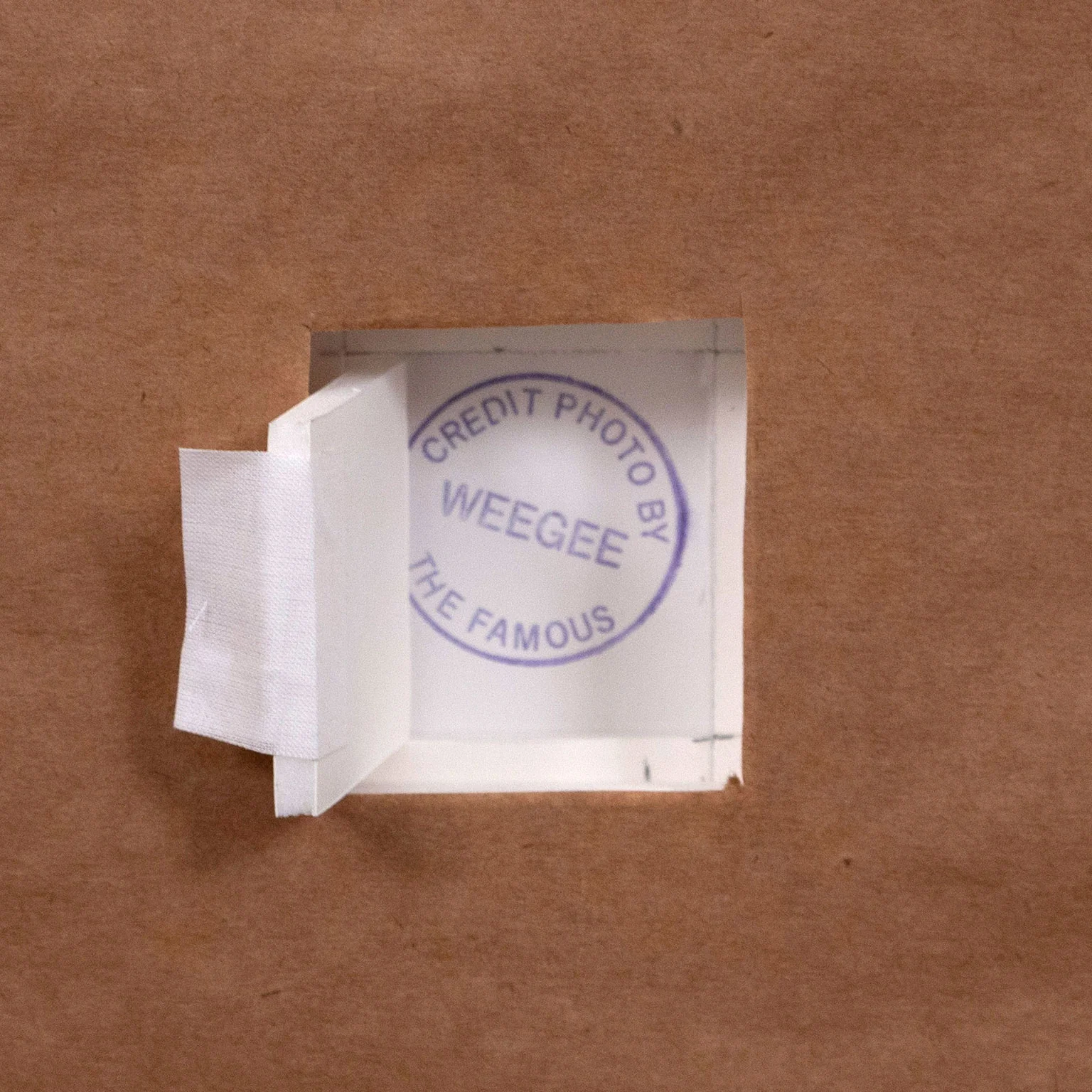
Stamped verso
8.25"H 4.75"W (work)
14.5"H 10.5"W (framed)
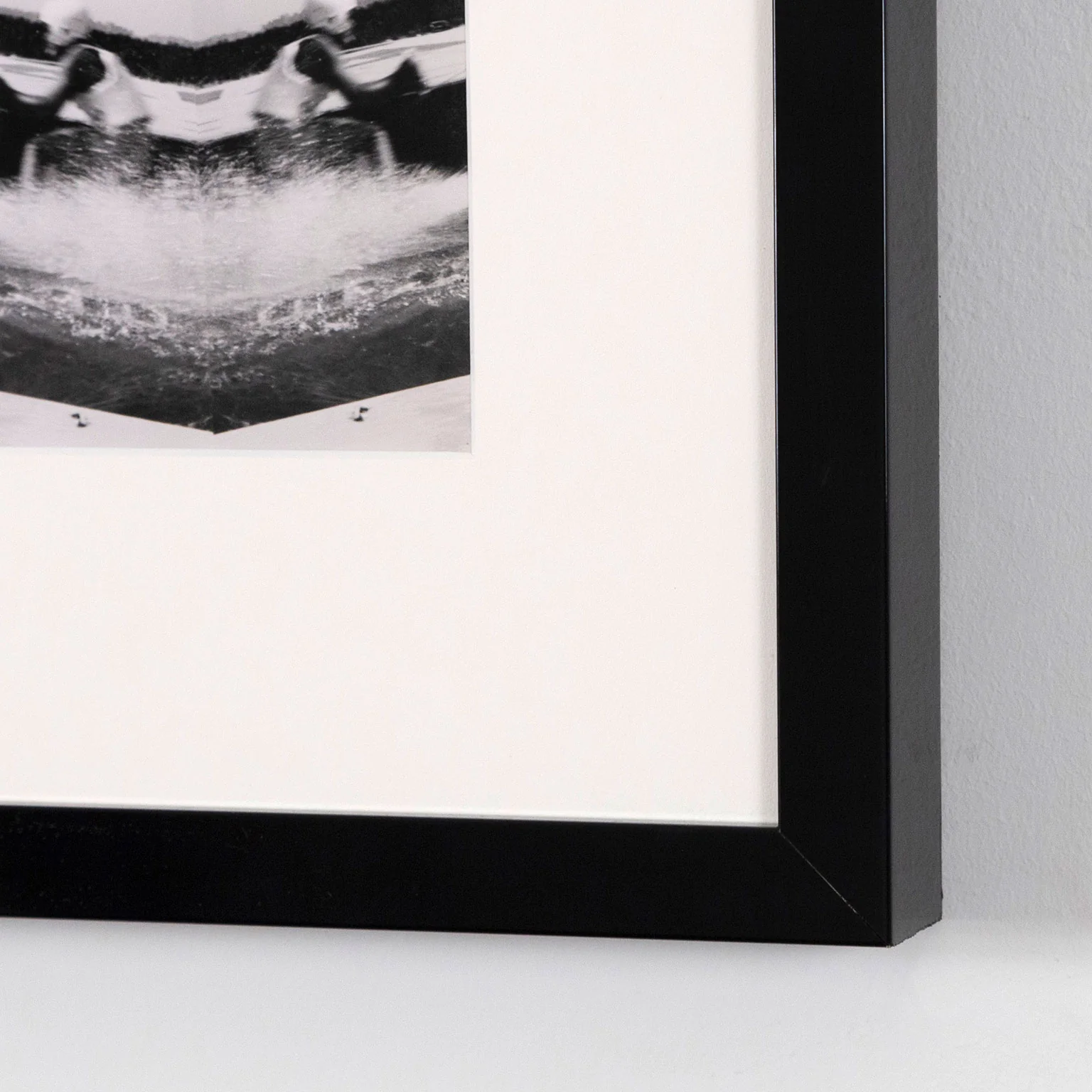
Framed with museum glass
Detailed condition report by request. Overall very good condition
Original: $3,000.00
-70%$3,000.00
$900.00More Images
WEEGEE "WATERSKI JUMPER" PHOTO, 1950
Arthur Felling, better known as Weegee (1899-1968) is America's premiere photojournalist and one of the last century's most influential photographers.
He would become famous, beyond New York and news circles, after the publication of his photo books Naked City (1945) and Weegee's People (1946).
Weegee's images of New York City crime, disaster, and tragedy are frequently iconic and highly influential. Less well-known, however, is the work he focused on during the last twenty years of his life: known as the 'distortions' period. In the late 1940s, Weegee began experimenting with photographic manipulation both in the darkroom and using an array of filters, many of which were his own invention, on his camera.
Weegee created distortions of a wide range of subjects; celebrities, architecture, circus life, and nudes. Of course, one of the overarching themes of his work was the idea of spectacle.
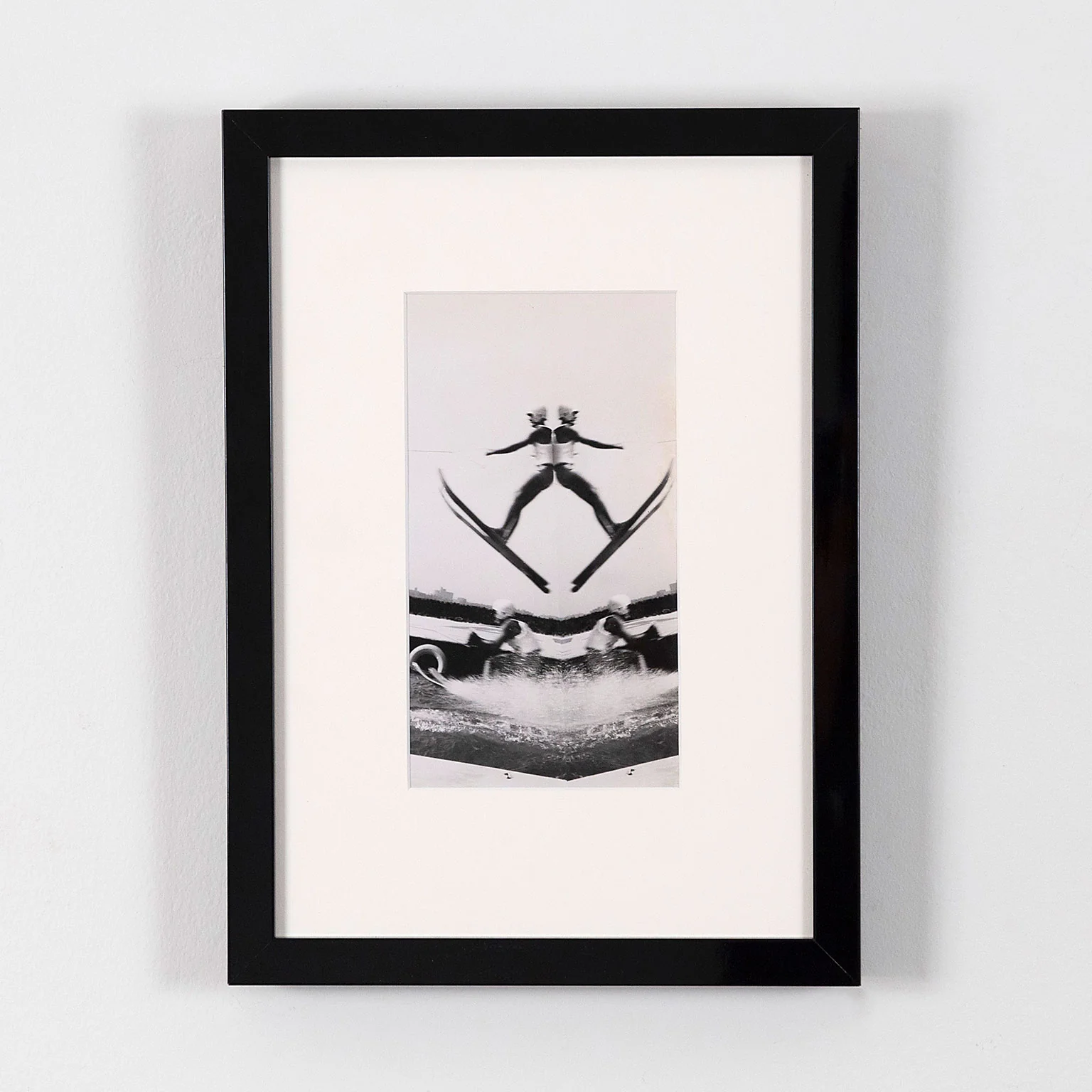
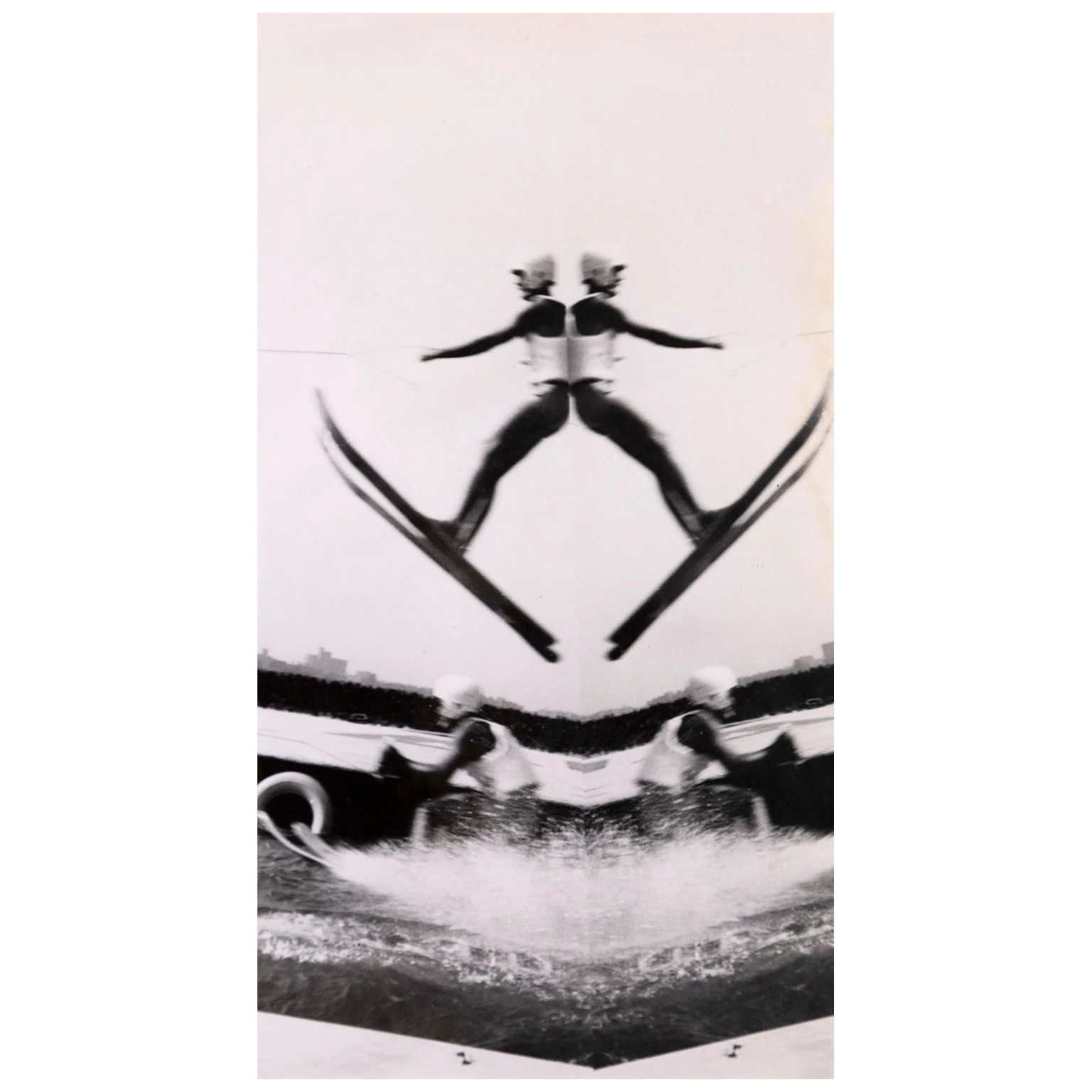
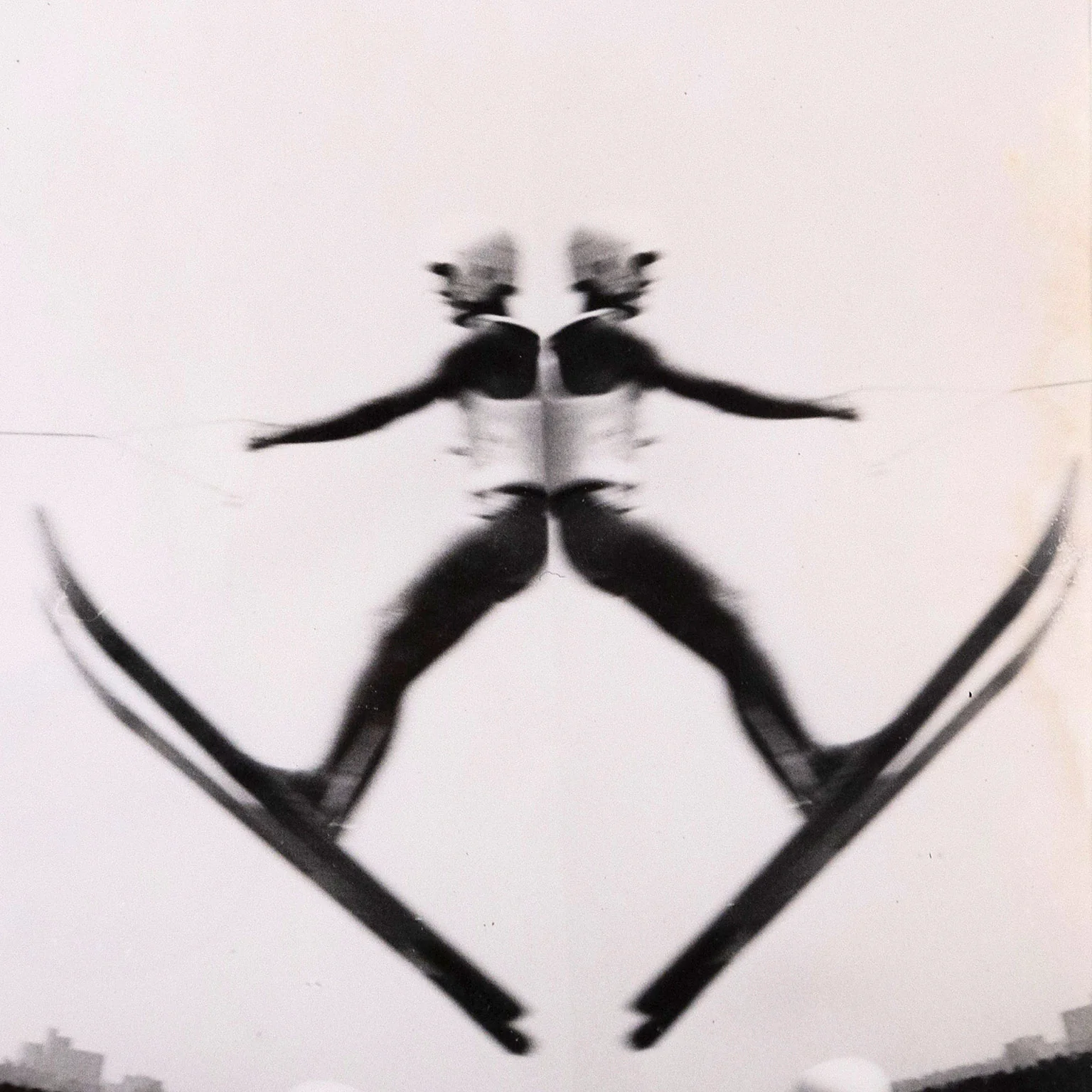
In this evocative distortion, the photograph has been split directly down the center and reflected. It's impossible to tell which side of the image is the original and which side is the reflection.
The dynamic image features two waterskiers, one suspended in the air mid-jump, while the other touches down, prompting a spray of water upon impact. This brief moment of daring motion is distorted into an almost perfectly symmetrical image, with limbs and perspective lines converging at the center for an almost Op Art effect.
Weegee’s photography can be found in scores of museums and private collections worldwide: the J. Paul Getty Museum, Los Angeles; Museum of Modern Art, New York; San Francisco Museum of Modern Art; Museum of Modern Art, Oxford; Museum of Contemporary Art, Los Angeles; International Center of Photography, New York and more.
Questions about this piece? Contact us or call +1.416.704.1720. Visit our Toronto gallery on Thursdays or by appointment.
Untitled "Waterski Jumper"
USA, 1950
Gelatin silver print
Stamped verso
8.25"H 4.75"W (work)
14.5"H 10.5"W (framed)
Framed with museum glass
Detailed condition report by request. Overall very good condition
Product Information
Product Information
Shipping & Returns
Shipping & Returns
Description
Arthur Felling, better known as Weegee (1899-1968) is America's premiere photojournalist and one of the last century's most influential photographers.
He would become famous, beyond New York and news circles, after the publication of his photo books Naked City (1945) and Weegee's People (1946).
Weegee's images of New York City crime, disaster, and tragedy are frequently iconic and highly influential. Less well-known, however, is the work he focused on during the last twenty years of his life: known as the 'distortions' period. In the late 1940s, Weegee began experimenting with photographic manipulation both in the darkroom and using an array of filters, many of which were his own invention, on his camera.
Weegee created distortions of a wide range of subjects; celebrities, architecture, circus life, and nudes. Of course, one of the overarching themes of his work was the idea of spectacle.
In this evocative distortion, the photograph has been split directly down the center and reflected. It's impossible to tell which side of the image is the original and which side is the reflection.
The dynamic image features two waterskiers, one suspended in the air mid-jump, while the other touches down, prompting a spray of water upon impact. This brief moment of daring motion is distorted into an almost perfectly symmetrical image, with limbs and perspective lines converging at the center for an almost Op Art effect.
Weegee’s photography can be found in scores of museums and private collections worldwide: the J. Paul Getty Museum, Los Angeles; Museum of Modern Art, New York; San Francisco Museum of Modern Art; Museum of Modern Art, Oxford; Museum of Contemporary Art, Los Angeles; International Center of Photography, New York and more.
Questions about this piece? Contact us or call +1.416.704.1720. Visit our Toronto gallery on Thursdays or by appointment.
Untitled "Waterski Jumper"
USA, 1950
Gelatin silver print
Stamped verso
8.25"H 4.75"W (work)
14.5"H 10.5"W (framed)
Framed with museum glass
Detailed condition report by request. Overall very good condition